Cirencester
Cirencester was Roman Britain's second city, and it still feels like a capital: a wool church, a private park larger than the town itself, and Roman history at every turn.
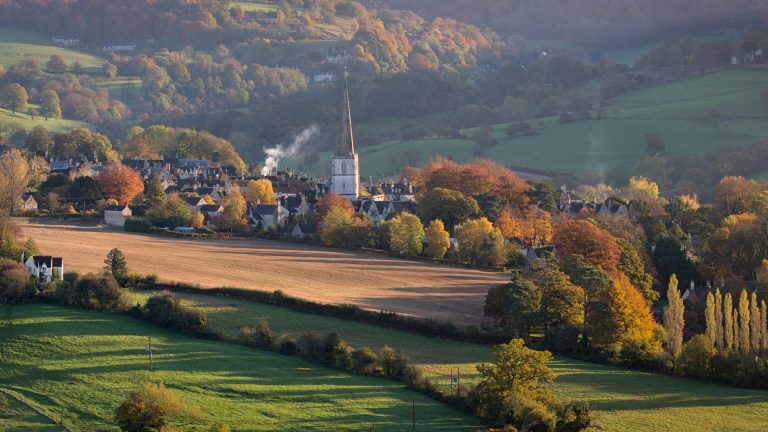
Minchinhampton pairs one of the Cotswolds' great open commons with a royal neighbour, while Nailsworth quietly punches above its weight for food.
Lechlade is where the Thames becomes a proper navigable river, and the Cotswolds meets the water in a genuinely different way from anywhere else in the region.
Cheltenham is the Cotswolds with a genuine cultural calendar: a Regency spa town of festivals, theatre and racing. And now the home of Luxury Cotswold Rentals.
Moreton-in-Marsh still runs the largest open-air street market in the Cotswolds, while neighbouring Blockley hides a surprising silk-mill past.
Bradford-on-Avon pairs one of England's most complete Saxon churches with a wool-town history and a genuinely lively canal-side dining scene.
Castle Combe has been called the prettiest village in England so often it's almost a cliché, and Hollywood keeps agreeing.
Within a few miles of each other in the Evenlode Valley sit four of the North Cotswolds' most rewarding villages, each different in character.
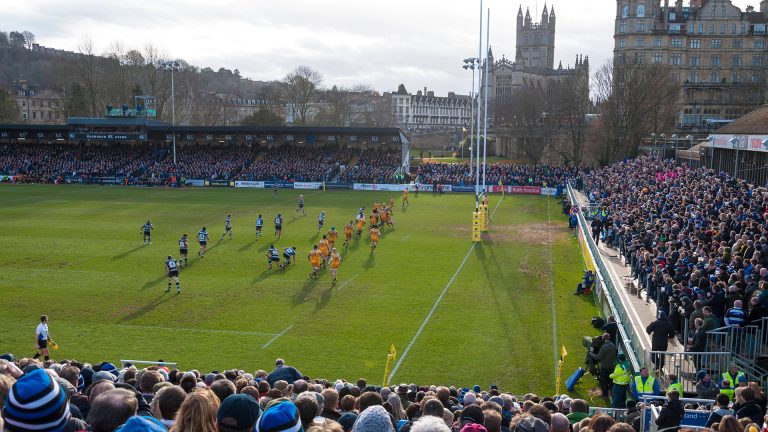
Bath has nearly two thousand years of continuous spa history compressed into one UNESCO World Heritage city, and although not everyone knows it but it is very much Cotswold.
A 300-year-old coaching inn with its own long-vanished brew-house, still pouring guest ales and cooking with produce from nearby farms every day.
Named for a Civil War viscount, this partly thatched ironstone pub has been pouring pints in Great Tew since the 17th century. And almost right next door to another favourite, Quince & Clover
Witch marks in the cellar, a 2022 refurbishment and produce straight from the Daylesford farm shop just down the road; a lovely place to linger.