
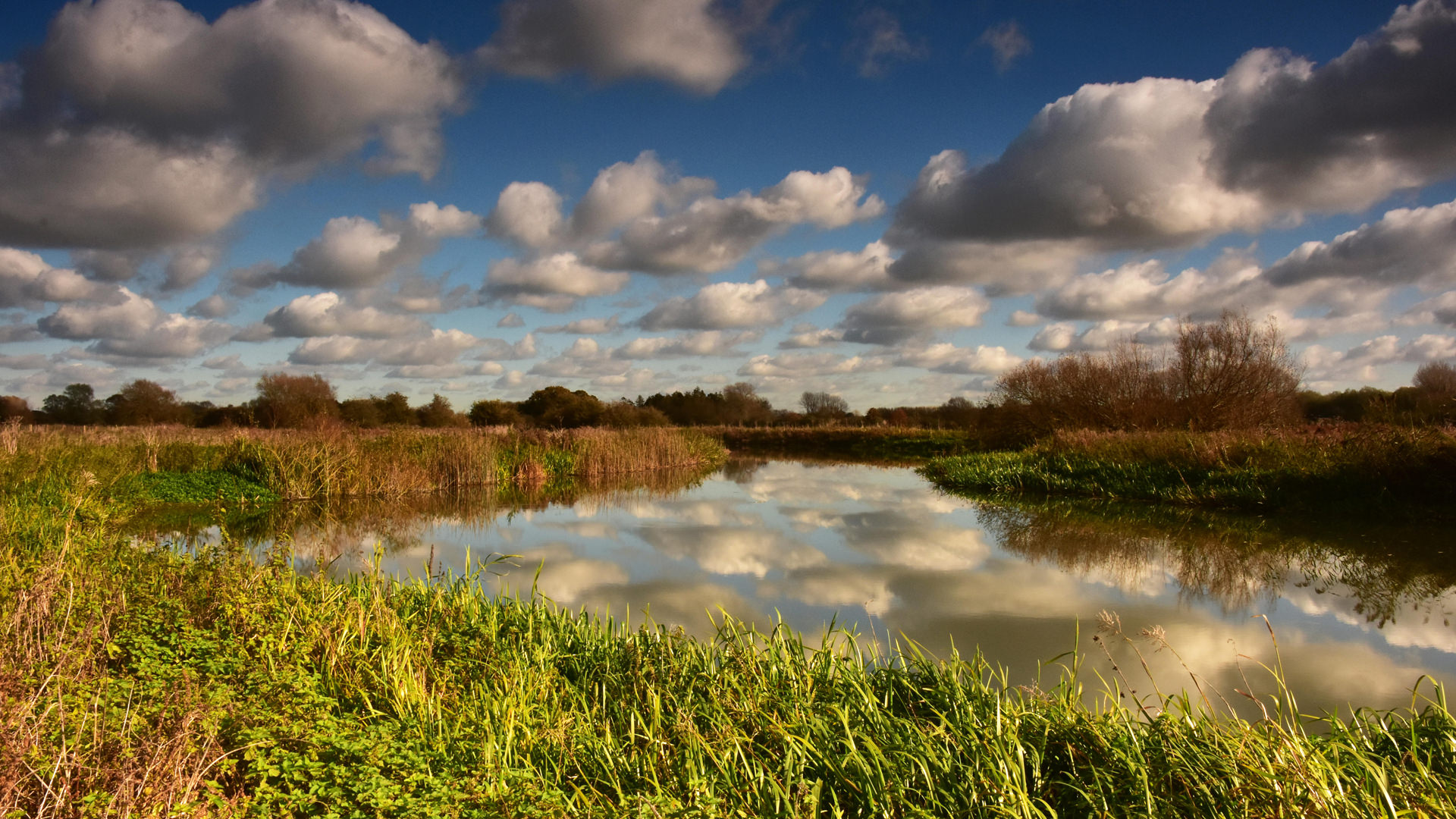
Lechlade is where the Thames becomes a proper navigable river, and the Cotswolds meets the water in a genuinely different way from anywhere else in the region.
Lechlade-on-Thames sits at the point where the young River Thames — not yet the great tidal river of London, but a modest, willow-lined stream fresh out of the Cotswolds — becomes navigable for the first time. That single fact shapes almost everything about the town: a working boatyard, riverside pubs and moorings, and a slender church spire that has been drawing visitors, including one particularly famous poet, for centuries. It sits at the southern and eastern edge of the Cotswolds, close to the Thames Path and a scatter of quiet villages either side of the Gloucestershire and Wiltshire border. This guide sets out what makes Lechlade worth building a visit around, from its riverside and Georgian streets to boating on the Thames and the countryside beyond.
Lechlade at a Glance
| Location | South-eastern edge of the Cotswolds, Gloucestershire, at the highest navigable point of the River Thames |
| Known as | Where the Thames becomes navigable |
| Distance from Cirencester | Around 10 miles; about 20 minutes by car |
| Distance from Oxford | Around 20 miles; about 35 minutes by car |
| Distance from London | Around 85 miles; roughly 2 hours by car |
| Nearest railway station | Swindon, about 11 miles away, with direct services to London Paddington |
| Best known for | St Lawrence Church and its spire, St John’s Lock and the Old Father Thames statue, the Halfpenny Bridge, and boating on the Thames |
Exploring Lechlade’s Riverside and Georgian Streets
Lechlade’s slender church spire, visible for miles across the Thames-side meadows, belongs to St Lawrence Church, completed in 1476 and still the town’s most recognisable landmark. In 1815, the poet Percy Bysshe Shelley visited Lechlade with Mary Godwin (later Mary Shelley), her stepbrother and the novelist Thomas Love Peacock, and was moved to write “A Summer Evening Churchyard, Lechlade, Gloucestershire” — a stone inscribed with the poem stands at the churchyard entrance, and the path through it is now known as Shelley’s Walk.
The town centre itself is a handsome run of Georgian stone buildings around the Market Square, reflecting Lechlade’s history as a small but prosperous trading town at the meeting point of road and river. Just below it, the Halfpenny Bridge, built in 1792 and named for the toll once charged to cross it on foot, still carries traffic over the Thames; the toll itself was abolished in 1839 after residents tired of paying it.
Where to Eat and Drink in Lechlade
Lechlade’s dining is built almost entirely around its riverside setting.
- The Riverside, right on the Thames beside the Halfpenny Bridge, pairs a garden and terrace looking directly over the bridge and passing boats with a full pub food menu, and offers rowing boat, canoe and motorboat hire directly from the pub.
- The Trout Inn, a short walk away at St John’s Bridge, is a honey-stone building with wood-panelled, low-beamed rooms, its own riverside garden, boat moorings and small boats for hire.
- The New Inn, in the town centre, offers a more traditional coaching-inn setting for food and drink.
For a wider view of dining across the region, the best country pubs in the Cotswolds sets Lechlade’s options in context.