
Minchinhampton pairs one of the Cotswolds’ great open commons with a royal neighbour, while Nailsworth quietly punches above its weight for food.
Minchinhampton and Nailsworth sit close together in the South Cotswolds, a few miles from Stroud, and between them offer a genuinely different pace from the honeypot villages further north. Minchinhampton is built around one of the region’s great wool-trade market towns and a vast, open common grazed by cattle and ponies; Nailsworth, a short drive downhill, has quietly become one of the best places to eat in the South Cotswolds without losing its unpretentious, working-town character. This guide sets out what makes both worth building a visit around.
Minchinhampton and Nailsworth at a Glance
| Location | South Cotswolds, Gloucestershire, a few miles south-east of Stroud |
| Known as | Minchinhampton and Rodborough Commons, and Nailsworth’s independent dining scene |
| Distance from Stroud | Around 4 miles; about 10 minutes by car |
| Distance from Bath | Around 20 miles; about 40 minutes by car |
| Distance from London | Around 105 miles; roughly 2 hours 15 minutes by car |
| Best known for | Minchinhampton Common, the wool-trade Market House, Gatcombe Park nearby, and Nailsworth’s restaurants |
Exploring Minchinhampton’s Market House and Common
Minchinhampton has held market rights since 1269, when Henry III granted the town a weekly Tuesday market and a five-day annual fair, and its wealth from the wool and cloth trade is still visible in the town’s stone buildings, many dating from the seventeenth and eighteenth centuries. At the centre of town stands the Market House, built in 1698 over an open undercroft by the clothier Philip Sheppard — a genuinely handsome survival of the town’s trading heyday. The parish Church of the Holy Trinity, with origins in the twelfth century, holds a magnificent fourteenth-century transept with a rose window and stained glass, another building paid for, in the Cotswolds’ familiar phrase, with “wool money.”
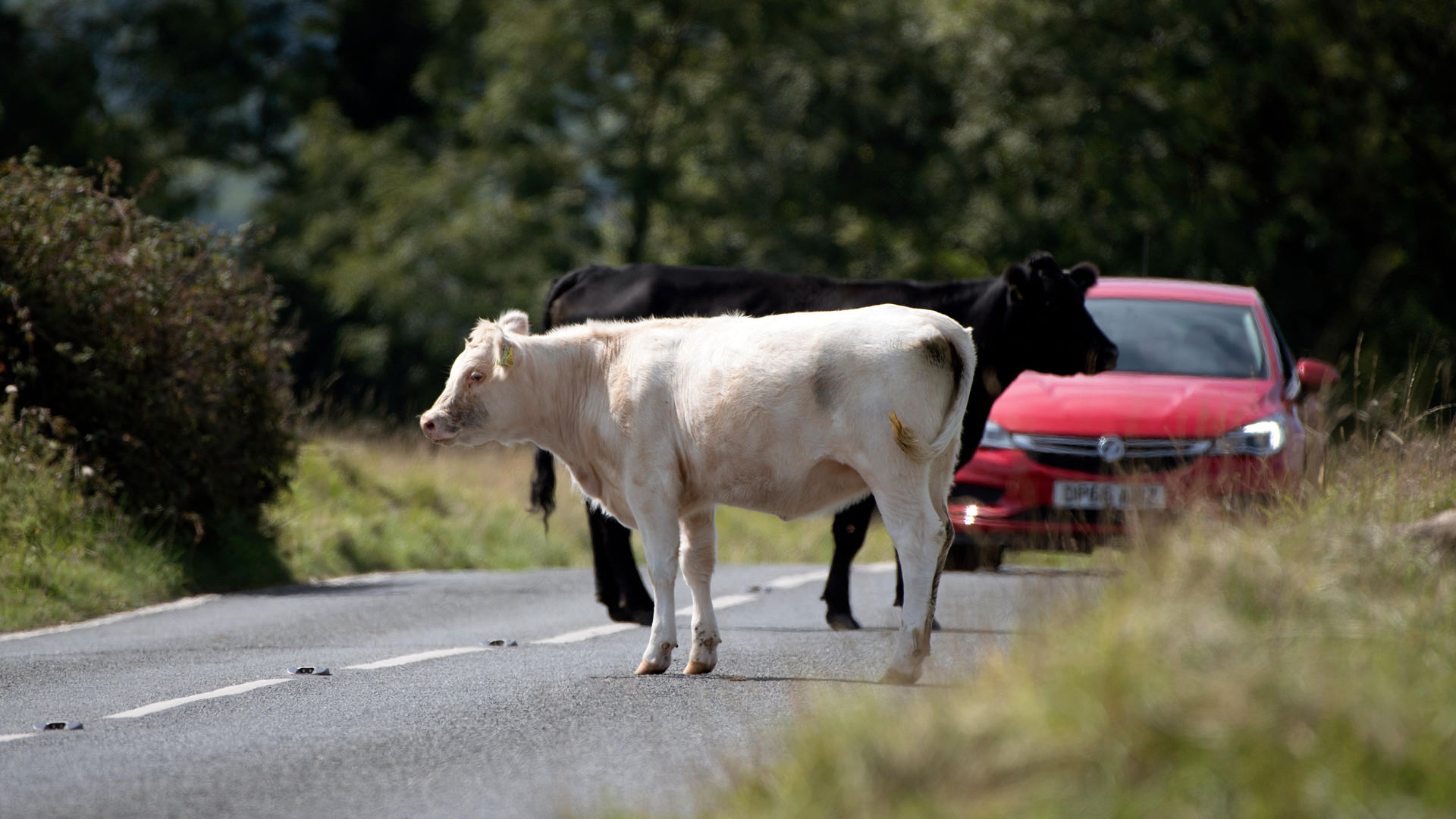
Above the town, Minchinhampton Common — around 580 acres of open grassland managed by the National Trust since 1913 — is one of the great unstructured landscapes of the Cotswolds, its long parallel ditches and mounds, known as the Bulwarks, the remains of an Iron Age fort. From May to October cattle and horses graze freely across it, and it remains genuinely open access, popular for walking, running and simply enjoying the view.
Where to Eat and Drink in Nailsworth
Nailsworth has become one of the more surprising food destinations in the South Cotswolds.
- Wilder, on Market Street, is the three-AA-Rosette sister restaurant to Wild Garlic, built around an eight-course surprise tasting menu that changes daily with the seasons.
- Wild Garlic, now run as rooms alongside Wilder, was awarded two AA Rosettes within its first three months and built its name on steaks, house-made pasta and classic French cooking.
- The Britannia, a pub a short walk from Wild Garlic, pairs an open fire and a strong gin selection with a straightforward British menu.
- William’s, a Nailsworth institution for fifty years, pairs a multi-award-winning seafood restaurant with a fish counter and delicatessen under one roof — a genuinely good lunch spot (Tuesday to Saturday, 12pm–2.30pm), and just as useful for a takeaway deli spread or fresh fish to cook back at the house.
- For an easy night in, Nailsworth’s Chop Suey House is generally reckoned the town’s best Chinese takeaway.
Nailsworth’s town centre also holds a good run of independent shops worth combining with a meal. Domestic Science, tucked down an alley off Old Market in the old Days Mill woollen mill, is well worth seeking out for its antiques and vintage pieces mixed in among contemporary homeware, clothing and gifts — a department store in miniature, with a hidden café, the Canteen, beneath it.
For a wider view of dining across the region, the best restaurants in the Cotswolds sets Nailsworth’s options in context.