
Places

Painswick

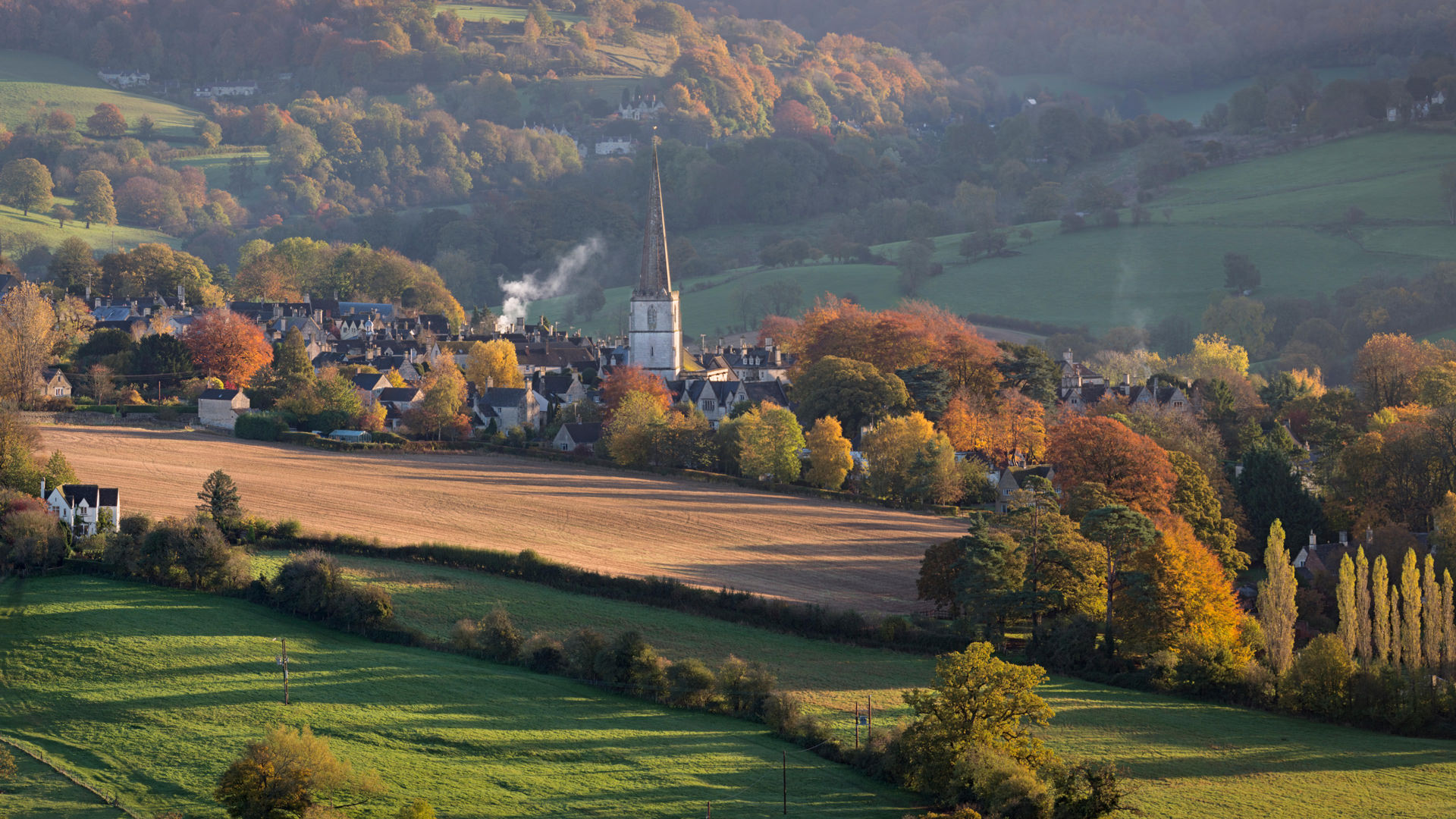
Painswick has earned its nickname, "Queen of the Cotswolds," through a churchyard of legendary yew trees and one of England's few surviving rococo gardens.

Share:
painswick

Painswick

Painswick has earned its nickname, “Queen of the Cotswolds,” through a churchyard of legendary yew trees and one of England’s few surviving rococo gardens.

Painswick sits on a steep Cotswold hillside above the Painswick Valley, its stone houses climbing narrow lanes toward a churchyard that historian Alec Clifton-Taylor once called “the grandest churchyard in England.” That description is not idle praise: Painswick’s wool-trade wealth built a village of genuine architectural distinction, and its two best-known attractions — a churchyard famous for its clipped yews and a country’s-only surviving rococo garden — are found nowhere else in quite the same form. This guide sets out what makes Painswick worth building a visit around, from its churchyard and streets to its garden, its beacon and where to eat.

Painswick at a Glance

Location South Cotswolds, Gloucestershire, on a steep hillside above the Painswick Valley
Known as The “Queen of the Cotswolds”
Distance from Stroud Around 4 miles; about 10 minutes by car
Distance from Cheltenham Around 10 miles; about 20 minutes by car
Distance from London Around 100 miles; roughly 2 hours 15 minutes by car
Best known for St Mary’s churchyard and its yew trees, Painswick Rococo Garden and its snowdrops, and Painswick Beacon

Exploring Painswick’s Churchyard and Streets

St Mary’s Church sits at the heart of the village, its churchyard filled with an unusual collection of chest tombs and monuments carved by local craftsmen from the early seventeenth century onward, many marking the graves of the wool merchants whose trade paid for the village’s prosperity. Its most famous feature, though, is its yew trees — traditionally said to number 99, since local legend holds that the devil will always destroy a hundredth. The trees were all planted in the early 1700s, and to this day no two counts ever quite agree on the true number, adding to a genuinely good story that has followed the churchyard for generations.

Painswick’s steep, narrow streets, lined with well-preserved Cotswold stone houses from the height of the wool trade, reward slow exploring on foot, with independent galleries, antique shops and cafés tucked along the way.

Where to Eat and Drink in Painswick

  • The Painswick, a boutique hotel in a Palladian country house, runs Sauce, a seasonal à la carte restaurant under chef Jamie McCallum, alongside a more relaxed brasserie-style menu, grazing boards and afternoon tea.
  • The Falcon Inn, in the centre of the village, takes a traditional approach to food, built around good-quality, fresh ingredients.
  • The Royal Oak, a characterful Cotswold pub, offers real ale, cider and locally sourced dishes in a genuinely traditional setting.
  • Juniper, a small coffee shop close to the churchyard, is a good stop for pastries between sights.

For a wider view of dining across the region, the best restaurants in the Cotswolds and the best country pubs in the Cotswolds set Painswick’s options in context.


PAINSWICK IN MORE DETAIL

Painswick Rococo Garden and Its Snowdrops

Just outside the village, Painswick Rococo Garden is the country’s only complete surviving rococo garden, designed in the 1740s as a fanciful pleasure garden for local landowner Benjamin Hyett. Much of its original character was lost during the nineteenth century, when parts of the garden were given over to growing fruit and vegetables, but a restoration begun in 1984 — guided by a 1748 painting of the garden by Thomas Robins — has returned much of its eighteenth-century design. The garden is now best known for its snowdrop displays each January and February, when more than five million snowdrops carpet the grounds, including fifteen known varieties, among them Galanthus ‘Atkinsii’, a distinctive, tall variety first discovered here by an estate worker in the 1800s.

For more on the gardens that punctuate this part of the Cotswolds, see our guide to the best gardens and arboretums in and around the region.

Painswick Beacon and the Cotswold Way

Above the village, Painswick Beacon rises to 283 metres, the site of an Iron Age hillfort dating from around 400–43 BC and one of the best 360-degree viewpoints in the Cotswolds, taking in the Severn Vale, the Forest of Dean and, on a clear day, the Brecon Beacons. The Beacon sits directly on the Cotswold Way, the 102-mile National Trail linking Chipping Campden and Bath, and a well-used circular walk climbs from St Mary’s Church through farmland and woodland to the summit before looping back into the village — a genuinely rewarding half-day out.

For further routes across the wider region, the best walks in the Cotswolds covers further options.

Planning Your Visit

Painswick is easiest reached by car, sitting on the A46 between Stroud and Cheltenham. There is no railway station in the village itself; the nearest is Stroud, with connections toward London Paddington via Swindon or Gloucester.

Painswick sits within easy reach of Minchinhampton and Nailsworth and pairs well with North Cotswolds vs South Cotswolds for placing it within the wider region.

Where to Stay Near Painswick

Painswick’s position in the South Cotswolds puts it within easy reach of The Stancombe Estate Collection. For a fuller sense of what is available nearby, our full portfolio of Cotswold properties can be filtered by location.

However you choose to base yourselves, our concierge team can help build a stay around Painswick — from timing a visit to coincide with the Rococo Garden’s snowdrops to a table at Sauce.

In Short

Painswick earns its “Queen of the Cotswolds” title through genuine rarity: a churchyard famous the world over for its yew trees, the country’s only complete surviving rococo garden, and an Iron Age beacon with some of the best views in the region. It suits a quiet morning around the churchyard as easily as a full day taking in the garden and the beacon beyond.

If you are planning a stay nearby, enquire with our team and we will help you build a visit to Painswick and the South Cotswolds around the right property for your group.


© Luxury Cotswold Rentals. Images © Luxury Cotswold Rentals, except where copyright remains with the original photographer or creator.