
Places

Cirencester

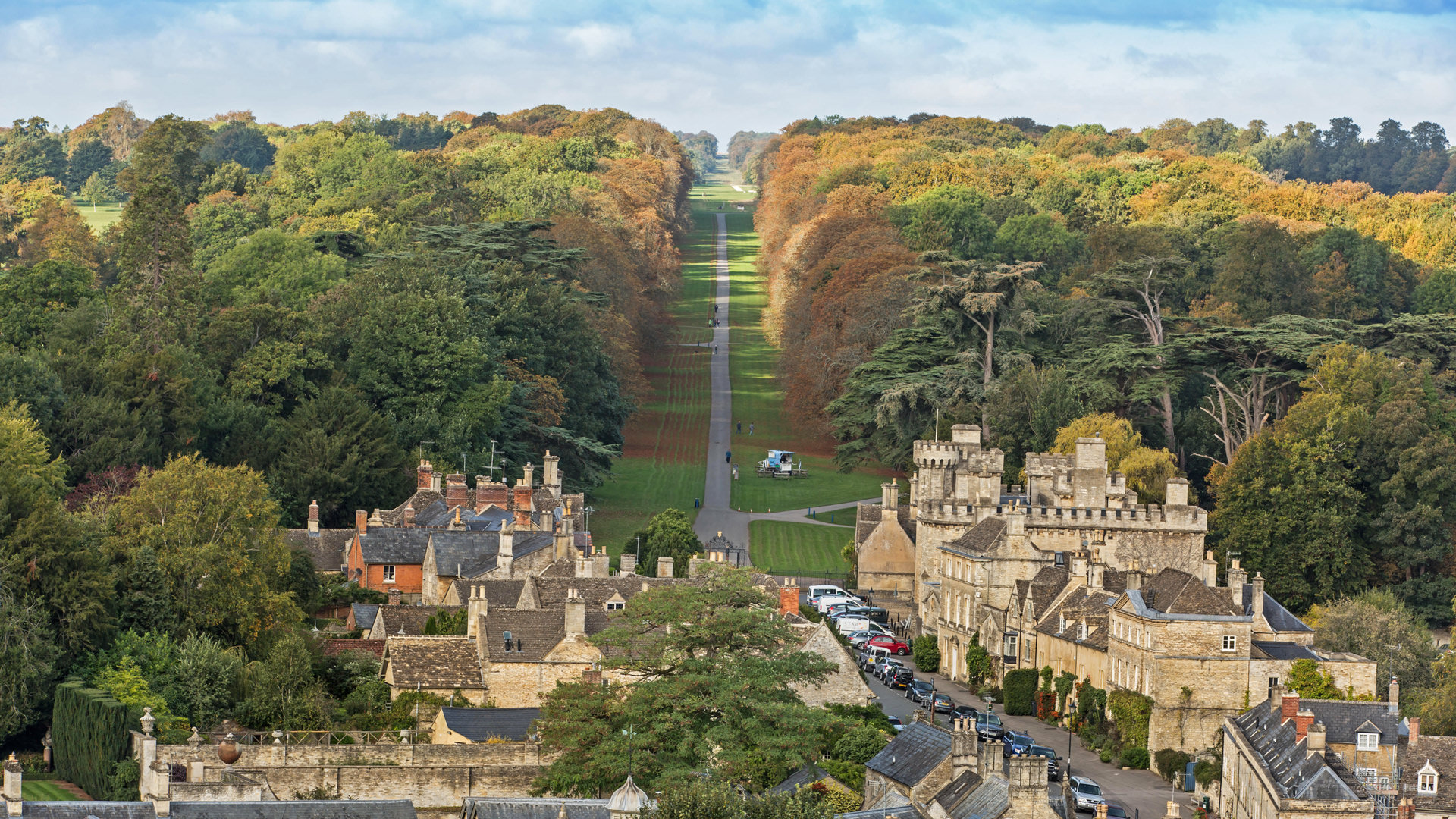
Cirencester was Roman Britain's second city, and it still feels like a capital: a wool church, a private park larger than the town itself, and Roman history at every turn.

Share:
cirencester

Cirencester

Cirencester was Roman Britain’s second city, and it still feels like a capital: a wool church, a private park larger than the town itself, and Roman history at every turn.

Cirencester has been known as the “Capital of the Cotswolds” for so long that the title barely needs explaining once you have stood in its Market Place. Long before that, as Corinium Dobunnorum, it was the second largest town in Roman Britain after London, sitting at the junction of three major Roman roads and supporting an amphitheatre built for 8,000 people. That layered history — Roman, medieval wool town, Georgian coaching stop — is still legible across a compact and genuinely handsome town centre, and it sits at the heart of a wider area of villages, water and parkland worth building a longer stay around. This guide sets out what makes Cirencester worth the detour, from its Roman remains and market streets to Cirencester Park and the countryside around it.

Cirencester at a Glance

Location South Cotswolds, Gloucestershire, at the junction of the Fosse Way, Ermin Way and Akeman Street
Known as The “Capital of the Cotswolds”
Distance from Oxford Around 35 miles; about an hour by car
Distance from London Around 95 miles; roughly 2 hours by car
Nearest railway station Kemble, about 4 miles away, with direct services to London Paddington and Swindon
By road At the meeting of the A429 (Fosse Way), A417/A419 (Ermin Way) and A433
Parking Forum and Waterloo car parks, both a short walk from the Market Place
Best known for Roman Corinium, its wool church, Cirencester Park and the Bathurst Estate, and the Cotswold Water Park nearby

Exploring Cirencester’s Market Place

Cirencester’s Market Place is dominated by the Parish Church of St John the Baptist, often called the “Cathedral of the Cotswolds” — the largest parish church in Gloucestershire, and among the finest of the region’s wool churches. Its oldest surviving part, the chancel, dates to the twelfth century, but most of what stands today was rebuilt in the Perpendicular Gothic style between 1515 and 1530, funded by the town’s wealthy wool merchants, whose crests still decorate the pillars of the nave. The grand south porch, added around 1500, and the 143-foot tower are among its best-known features.

The streets radiating from the Market Place — Black Jack Street, Dyer Street and Cricklade Street among them — hold a genuinely good run of independent shops, and the New Brewery Arts centre, a working craft and design space with galleries, studios and a café, is worth building time into a visit for.

Where to Eat and Drink in Cirencester

Cirencester’s dining has real depth for a town of its size, much of it built around genuinely local sourcing.

  • Made by Bob, in the Corn Hall on the Market Place, grew from a deli into one of the town’s best-loved all-day brasseries, previously recognised with a Michelin Bib Gourmand and still a firm local favourite for breakfast through dinner.
  • Jesse’s Bistro, tucked in the Stableyard behind Jesse Smith Butchers on Black Jack Street, holds two AA Rosettes and builds its menu around meat from the butchers next door and fresh fish and seafood delivered daily from Cornwall.
  • The Court Restaurant, at the Corinium Hotel, offers a more formal dining room in the heart of the town.
  • Blend, the café at New Brewery Arts, is a good, casual stop for coffee and lunch between galleries and shops.

For a wider view of dining across the region, the best restaurants in the Cotswolds sets Cirencester’s options in context.


CIRENCESTER IN MORE DETAIL

Corinium: Roman Britain’s Second City

Cirencester’s Roman history is exceptional even by Cotswolds standards. As Corinium Dobunnorum, it was the second largest town in Roman Britain after Londinium, with an estimated population of around 12,000, and it owed its importance to sitting directly on the junction of the Fosse Way, Ermin Way and Akeman Street. The Corinium Museum, in the town centre, holds one of the country’s most significant collections of Romano-British antiquities recovered from the town and surrounding area. On the western edge of town, the earthwork remains of Cirencester Amphitheatre — one of the largest in Roman Britain, with tiered seating for around 8,000 people — began life as a stone quarry before being shaped into its final form; it was first identified as a Roman amphitheatre in 1780 and has been excavated several times since.

Cirencester Park and the Bathurst Estate

Immediately behind the Market Place, entered through the Cecily Hill gates onto the famous Broad Avenue, lies Cirencester Park, the private estate of the Bathurst family, whose gardens have nonetheless been open to walkers on foot since the eighteenth century. The park is also home to Cirencester Park Polo Club, established in 1894 and one of the oldest polo clubs in the country, and its avenues make for one of the most distinctive walks anywhere in the Cotswolds — a wide, tree-lined vista running for miles into the estate.

For more on the historic houses and parkland that punctuate this part of the Cotswolds, see our guide to the best historic houses in and around the region.

The Wider Cirencester Area: Ampney Crucis, Barnsley and the Cotswold Water Park

Cirencester makes a natural base for a cluster of quieter villages and a very different kind of Cotswolds landscape close by. Immediately east of town, Ampney Crucis and the neighbouring Ampneys are classic small Cotswold villages strung along the Ampney Brook; Barnsley, a few miles further north-east on the road to Bibury, is known for Barnsley House and its celebrated gardens. To the south, the Cotswold Water Park — around six miles from Cirencester and covering some 42 square miles of Gloucestershire and Wiltshire countryside — is a genuinely different landscape again: more than 180 flooded former gravel pits now given over to sailing, paddleboarding, wakeboarding, angling and birdwatching, with South Cerney Outdoor and the Cotswold Water Park Hire among the operators running activities on the water.

Planning Your Visit

Cirencester is easiest reached by car, sitting at the junction of the A429, A417/A419 and A433. The town has no railway station of its own; the nearest is Kemble, around four miles away, with direct services to London Paddington and a connecting bus into the town centre. The Forum and Waterloo car parks both sit a short walk from the Market Place and are the most straightforward places to leave a car.

Cirencester sits at the heart of the South Cotswolds, and pairs well with North Cotswolds vs South Cotswolds for placing it within the wider region, and with our guide to the best Cotswolds market towns.

Where to Stay Near Cirencester

Close to Cirencester, Ampney Park in nearby Ampney Crucis is a fully restored private estate available by private booking. For a fuller sense of what is available nearby, our full portfolio of Cotswold properties can be filtered by location.

However you choose to base yourselves, our concierge team can help build a stay around Cirencester — from a walk down Broad Avenue to a day on the water at the Cotswold Water Park.

In Short

Cirencester earns its title as the Capital of the Cotswolds through sheer layered history: Roman Britain’s second city, one of the finest wool churches in England, and a private park and polo club that still shape the edge of town. It suits a focused half-day around the Market Place and Corinium Museum as easily as a longer stay taking in the water park and villages around it.

If you are planning a stay nearby, enquire with our team and we will help you build a visit to Cirencester and the South Cotswolds around the right property for your group.


© Luxury Cotswold Rentals. Images © Luxury Cotswold Rentals, except where copyright remains with the original photographer or creator.