Places

Cheltenham

Cheltenham is the Cotswolds with a genuine cultural calendar: a Regency spa town of festivals, theatre and racing. And now the home of Luxury Cotswold Rentals.

Share:
cheltenham

Cheltenham

Cheltenham is the Cotswolds with a genuine cultural calendar: a Regency spa town of festivals, theatre and racing.

Cheltenham grew from a small market town into one of England’s most fashionable spa resorts almost by accident, after mineral springs were discovered here in 1716, and it has kept a distinctly sociable, cultured character ever since. Where many Cotswolds towns are defined by a single high street or church, Cheltenham is defined by what happens in it: a packed festival calendar, a proper working theatre, a racecourse known the world over, and public parks and leisure facilities that have quietly served the town for the best part of a century. This guide covers the Regency town itself, the cultural life that sets it apart from anywhere else in the Cotswolds, and how to plan a visit.

Cheltenham at a Glance

Location Western edge of the Cotswolds, Gloucestershire, at the foot of Leckhampton Hill and the Cotswold escarpment
Known as Britain’s most complete Regency town
Distance from Oxford Around 45 miles; roughly an hour by car
Distance from London Around 100 miles; around 2 hours by direct train from London Paddington
Nearest railway station Cheltenham Spa, about a mile from the town centre, with direct services to London Paddington, Oxford, Bristol and Birmingham
By road Just off the M5, with the A40 and A46 connecting into the wider Cotswolds
Best known for Its Regency architecture, its year-round festivals of literature, jazz, music and science, the Cheltenham Festival horse racing, and public facilities including Sandford Parks Lido and Montpellier Gardens

Exploring Cheltenham’s Regency Streets

Cheltenham’s spa fortunes began in 1716, when mineral springs were discovered on what is now the site of Cheltenham Ladies’ College, and were developed commercially from 1738 by Captain Henry Skillicorne, generally regarded as the founder of Cheltenham as a watering place. The town’s reputation was made in 1788, when George III visited with Queen Charlotte and the royal princesses, and royal patronage turned Cheltenham into one of the most fashionable health resorts in England almost overnight — a well from that era survives today as the “Royal Well.” The building boom that followed has left Cheltenham with an unusually large and complete stock of Regency architecture for a town of its size.

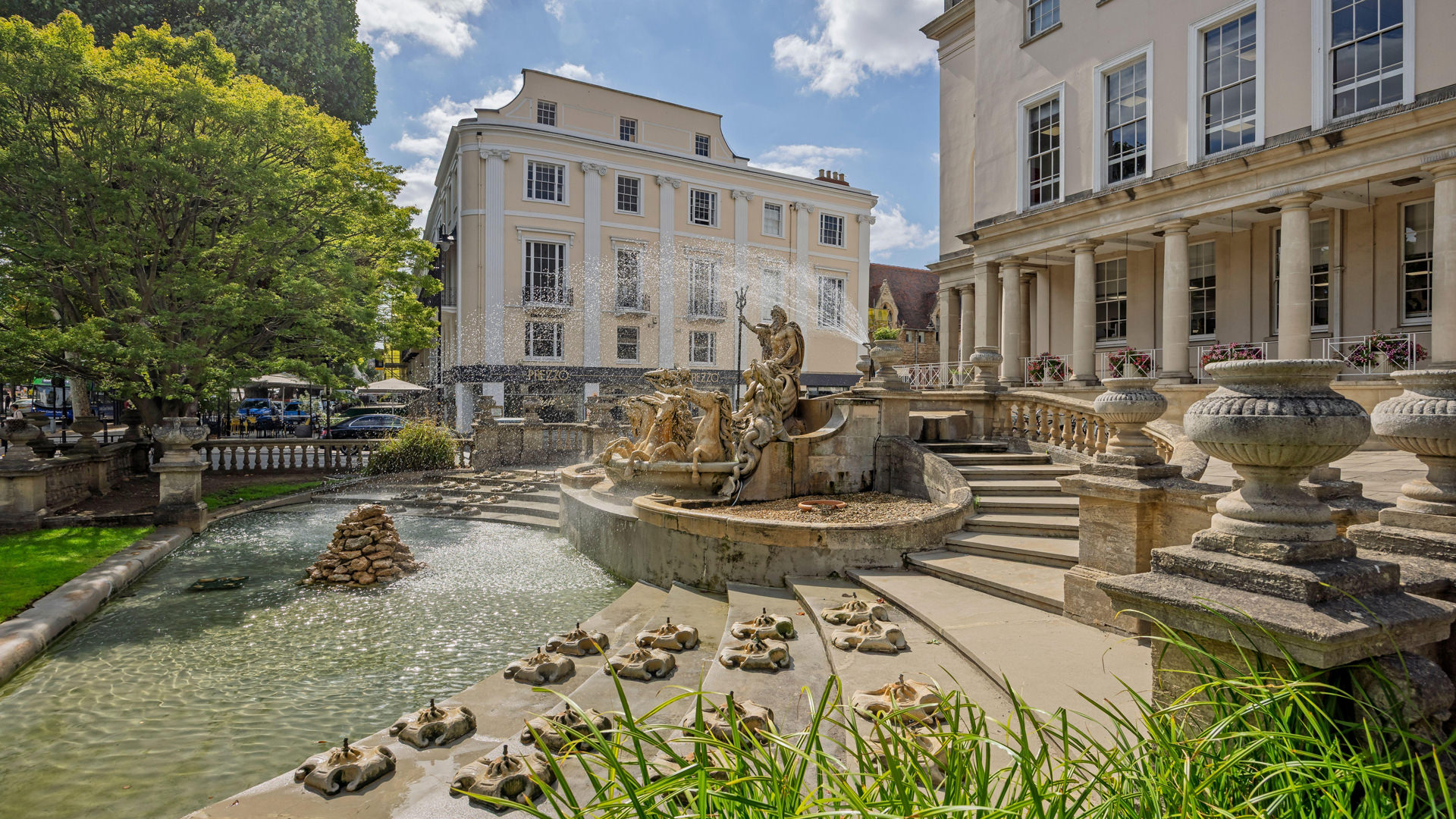
The Promenade, known locally as “the Prom,” is the obvious place to start: a tree-lined boulevard of Regency buildings, independent boutiques and cafés running from the High Street toward Montpellier. Montpellier itself, developed from the 1830s alongside the spa, is Cheltenham’s most stylish district, its Grade I and II* listed buildings — including the well-known fluted columns and caryatids — now home to independent shops, restaurants and bars rather than the original spa clientele.

Where to Eat and Drink in Cheltenham

Cheltenham’s dining scene is genuinely serious for a town of its size, a legacy in part of its long tradition of entertaining visiting spa society.

  • Le Champignon Sauvage, run by David and Helen Everitt-Matthias since 1987, has held a Michelin star for the greater part of its life and remains one of the most enduring fine-dining destinations in the Cotswolds.
  • Prithvi, on Bath Road, holds three AA Rosettes and won Best Restaurant in the South West at the British Curry Awards, built around a refined, French-influenced take on Indian cooking.
  • Purslane, a Michelin-recognised seafood restaurant, is one of the town’s best options for fish and shellfish cookery.

Beyond the town’s fine-dining names, Cheltenham’s more casual scene is just as worth seeking out.

  • 131, the boutique hotel on the Promenade, houses The Terrace, a seasonal contemporary restaurant opening onto a garden terrace, alongside a cocktail bar and a gin bar with more than 400 gins — you don’t need to be staying to eat or drink there.
  • Petit Coco Bistro, tucked into a cellar on Bath Street, is an intimate French bistro of red walls, candlelit tables and classic dishes such as cheese soufflé and steak-frites.
  • The Tivoli, a country-style, food-led pub on Andover Road run by the team behind The Bell at Langford, serves seasonal, locally sourced cooking across a bar, restaurant and courtyard, with Cheltenham’s own Deya Brewery beers and ales on tap.
  • The Five Alls, a restored community pub on Bath Road, is known for globally inspired small plates, weekend brunch and a well-regarded Sunday roast.
  • The Railway, a candlelit neighbourhood pub on New Street, is home to Smokey Phi Phi’s wood-fired Thai street food; a genuinely unexpected and well-loved pairing of British pub and Thai barbecue.
  • Otis & Belle, an artisan sourdough bakery with a Regency storefront in Montpellier, bakes from a 32-year-old starter that has picked up four Great Taste Awards for its croissants and sourdough.
  • Baker & Graze, an award-winning bakery and café in the Suffolks, is a favourite for breakfast and brunch, and was a British winner at the 2024 La Liste Pastry Awards, and another local like all of the above for the LCR team.

For a wider view of dining across the region, the best restaurants in the Cotswolds sets Cheltenham’s options in context.
 

CHELTENHAM IN MORE DETAIL

Cheltenham’s Cultural Calendar: Festivals, Theatre and Racing

Cheltenham’s cultural life runs year-round rather than being confined to a single event, and this is arguably what most distinguishes it from every other town covered in this guide. Cheltenham Festivals, a registered charity since 2006, runs four internationally recognised festivals: the Music Festival, begun in 1945 as one of the first post-war arts festivals in Britain; the Literature Festival, founded in 1949 and the longest continuously running festival of its kind in the world; the Jazz Festival, launched in 1996 and now one of the UK’s most popular annual jazz events; and the Science Festival, the youngest of the four, first held in 2002. Together they bring writers, musicians and scientists to the town across the year, with venues ranging from purpose-built festival tents to the town’s historic halls.

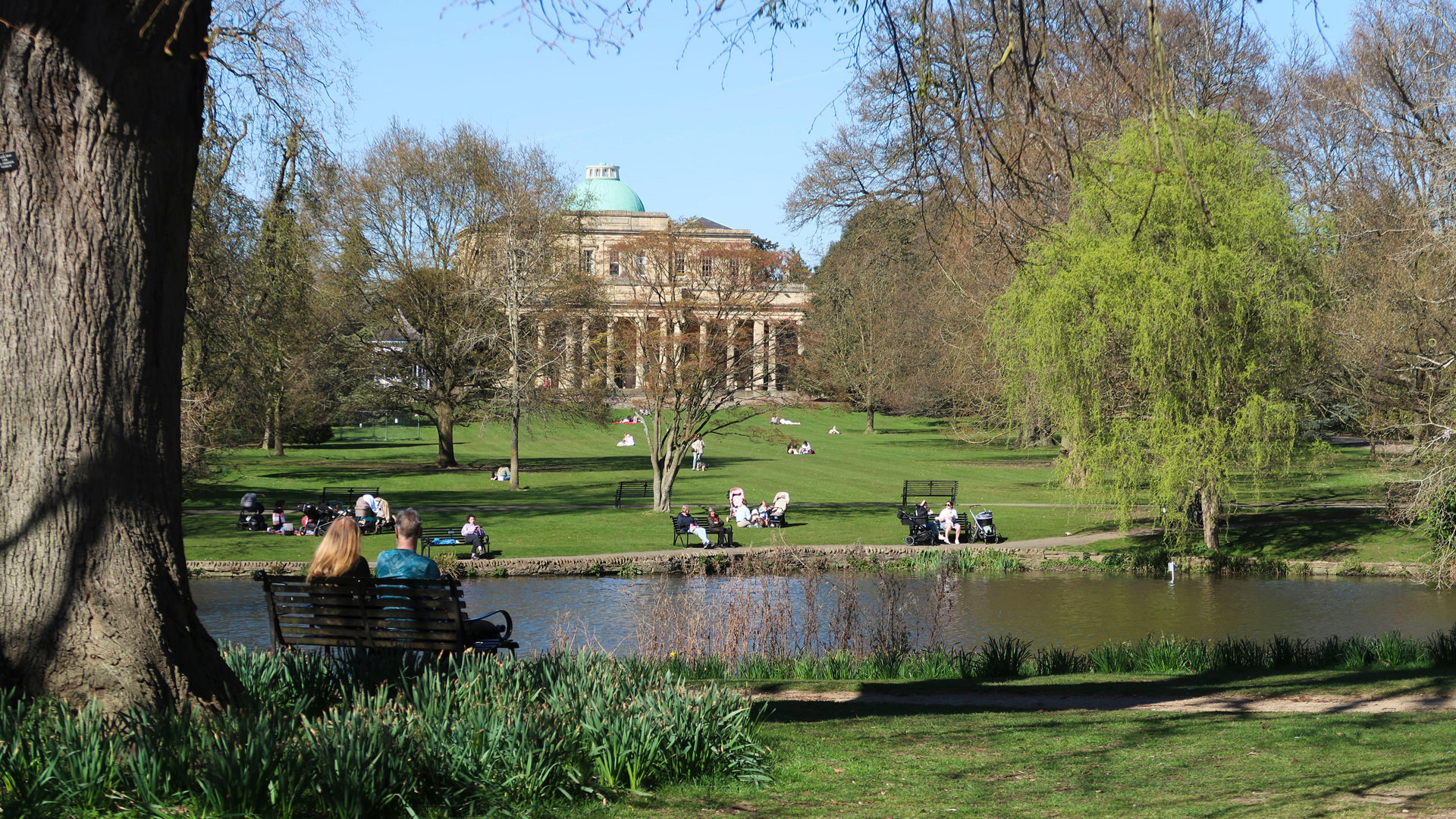
Those historic halls are worth knowing in their own right. The Everyman Theatre, designed by the celebrated theatre architect Frank Matcham and opened in 1891, is a genuinely opulent survival — gilded stucco, painted cherubs and angels of comedy and tragedy flanking the proscenium arch — restored at considerable expense in the early 2010s and still staging a full programme of drama, comedy and touring productions. Cheltenham Town Hall, built in 1902–03 to replace the old Assembly Rooms, and Pittville Pump Room, completed in 1830 as the centrepiece of banker Joseph Pitt’s planned spa suburb of Pittville before being sold to the Borough of Cheltenham in 1890, both continue to host concerts, balls and events much as they always have.

Cheltenham’s other great annual draw is entirely different in character: the Cheltenham Festival, held at Cheltenham Racecourse each March, is the most important jump-racing meeting in the National Hunt calendar, culminating in the Gold Cup on its final day and drawing more than 400,000 racegoers across the four days of the meeting.

Open to Everyone: Sandford Parks Lido and Montpellier Gardens Tennis

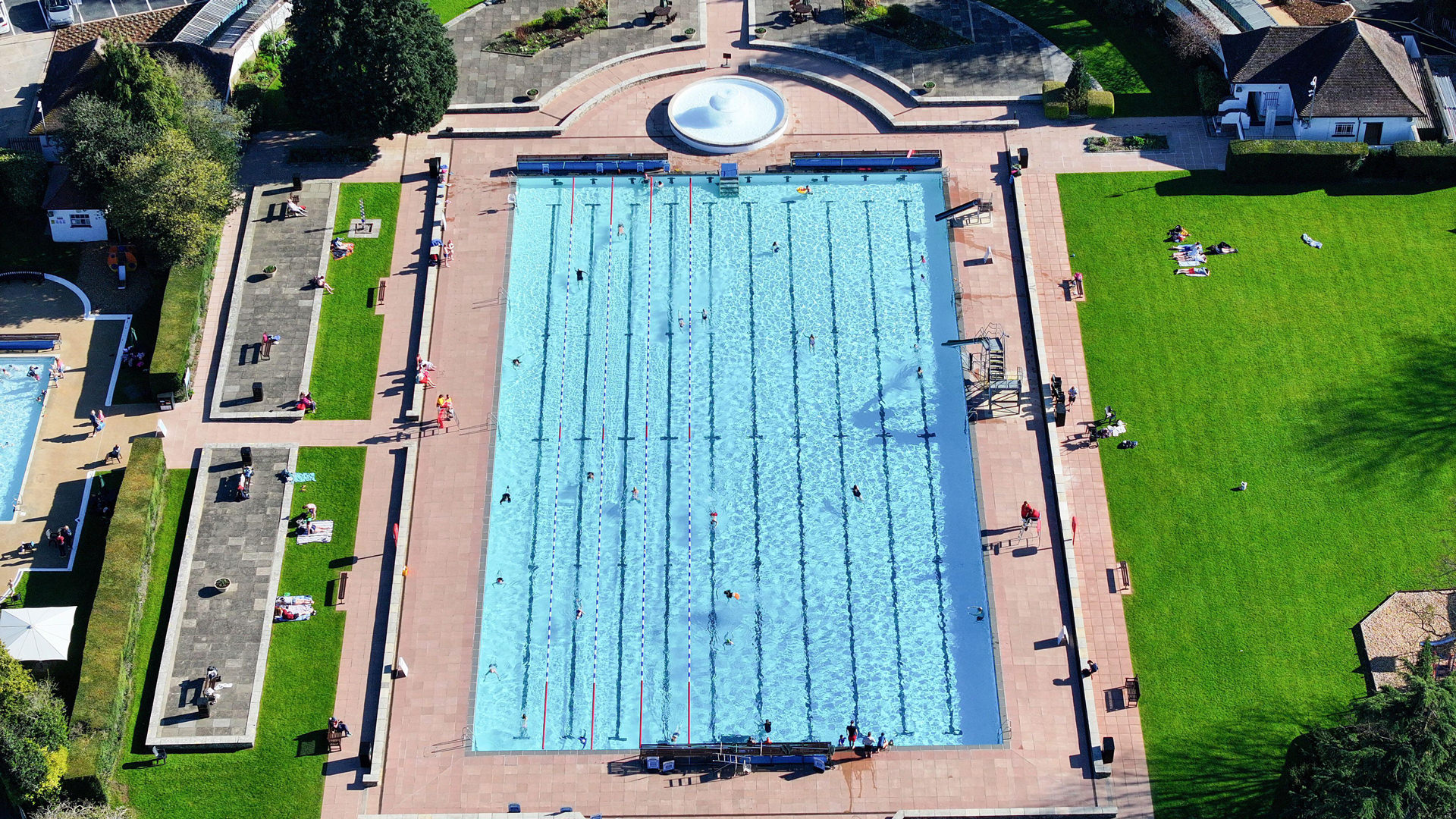
Alongside its grander cultural institutions, Cheltenham has quietly maintained two genuinely excellent public facilities, both open to visitors as well as locals. Sandford Parks Lido, opened in 1935 and set in four acres of landscaped grounds, is one of the country’s great surviving Art Deco outdoor pools — and, unusually for a lido, the main fifty-metre pool is heated to 24–26°C, with a separate, warmer children’s pool alongside it. Now run by a charitable trust, it remains a proper working lido rather than a museum piece, open through the summer season for swimming rather than simply looking at.

A short walk away, Montpellier Gardens holds six public tennis courts, run through the Lawn Tennis Association’s “Tennis in the Park” scheme and bookable online or in person at the gardens’ café — a straightforward, unpretentious way to fit a game into a stay in the town, alongside the gardens’ café, playground and mature planting.

Dunkertons Park and Retail Therapy at Holland Cooper

On the edge of Charlton Kings, the estate around Dunkertons Organic Cider has grown from a working cidery into one of Cheltenham’s more distinctive days out. Alongside the taproom and farm shop, a food court of independent street food stalls — recent line-ups have run from Mexican to Indian to Vietnamese — sits under a large marquee, with a regular calendar of live music and markets. The same Dowdeswell Park estate is also home to the Holland Cooper flagship boutique, the British country-luxury label’s showcase store for its tailoring, tweed and outerwear, with stylists on hand for a private appointment — a natural stop for retail therapy either side of lunch at Dunkertons.

Views Above the Town: Leckhampton Hill and the Devil’s Chimney

On the southern edge of Cheltenham, Leckhampton Hill rises to a genuinely rewarding viewpoint over the town, the Severn Vale and, on a clear day, as far as Stroud. Its best-known feature, the Devil’s Chimney, is a strange, narrow pillar of limestone left standing after the surrounding rock was quarried away — largely a product of nineteenth-century quarrying rather than nature, but striking regardless. A circular walk of around three miles takes in the Chimney, the old limekilns nearby, and some of the best views in this part of the Cotswolds, with small parking areas on Daisybank Road at the foot of the hill.

For further routes across the wider region, the best views in the Cotswolds and the best walks in the Cotswolds cover further options.

Planning Your Visit

Cheltenham is well served by rail, with Cheltenham Spa station about a mile from the town centre and direct services to London Paddington (around 2 hours), Oxford, Bristol and Birmingham. By road, the town sits just off the M5, with the A40 connecting east toward Oxford and the wider Cotswolds. Given the size of the crowds the Cheltenham Festival and the major arts festivals bring to town, it is worth checking festival and race dates before planning a visit, and booking accommodation and restaurants well ahead if your stay coincides with one.

Cheltenham makes a natural anchor for a wider Cotswolds stay, and pairs well with the best Cotswolds market towns and North Cotswolds vs South Cotswolds for placing it within the wider region.

Where to Stay Near Cheltenham

Cheltenham is home to three of our own properties: Coombe End Manor, a romantic manor set in 2,500 acres with a heated pool, and The Hewletts, a Georgian country house set high on Aggs Hill to the east of the town and the wonderful College Lawn right in the heart of this lovely town. For a fuller sense of what is available nearby, our full portfolio of Cotswold properties can be filtered by location.

However you choose to base yourselves, our concierge team can help build a stay around Cheltenham’s festival calendar or race week — from securing a table at Le Champignon Sauvage to timing a visit around the Literature Festival or the Gold Cup.

In Short

Cheltenham offers something genuinely different from the rest of the Cotswolds: a town built for entertaining, with the Regency architecture, festivals, theatre and racing to show for it, alongside quieter public pleasures like the Lido and Montpellier’s tennis courts that have served the town for generations. It suits a festival weekend as easily as a quiet day of Regency streets and a swim, and works well both as a destination in its own right and as a cultured base for the wider Cotswolds.

If you are planning a stay nearby, enquire with our team and we will help you build a visit to Cheltenham around the right property for your group, timed to the festival or season that suits you best.


© Luxury Cotswold Rentals. Images © Luxury Cotswold Rentals, except where copyright remains with the original photographer or creator.