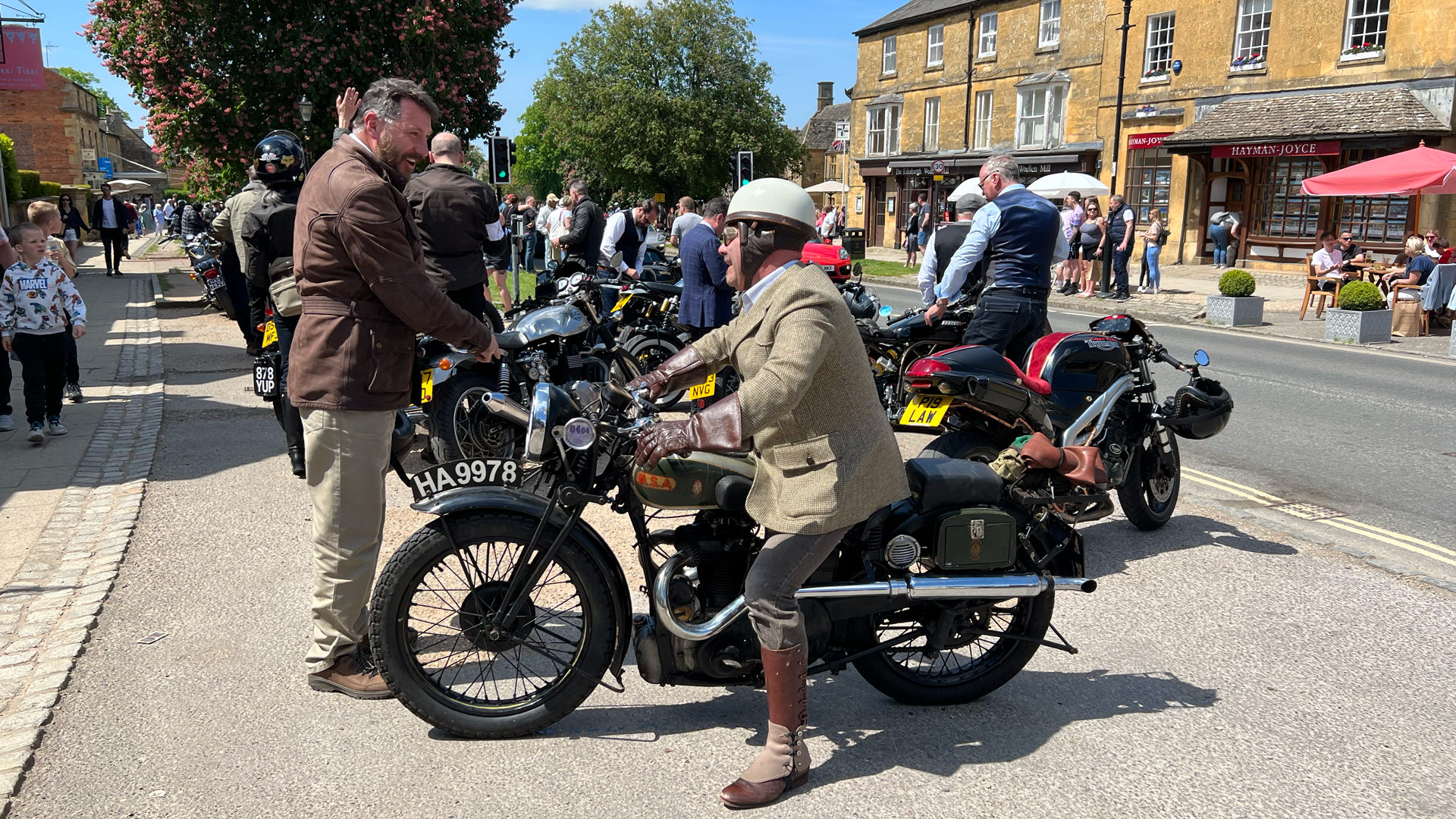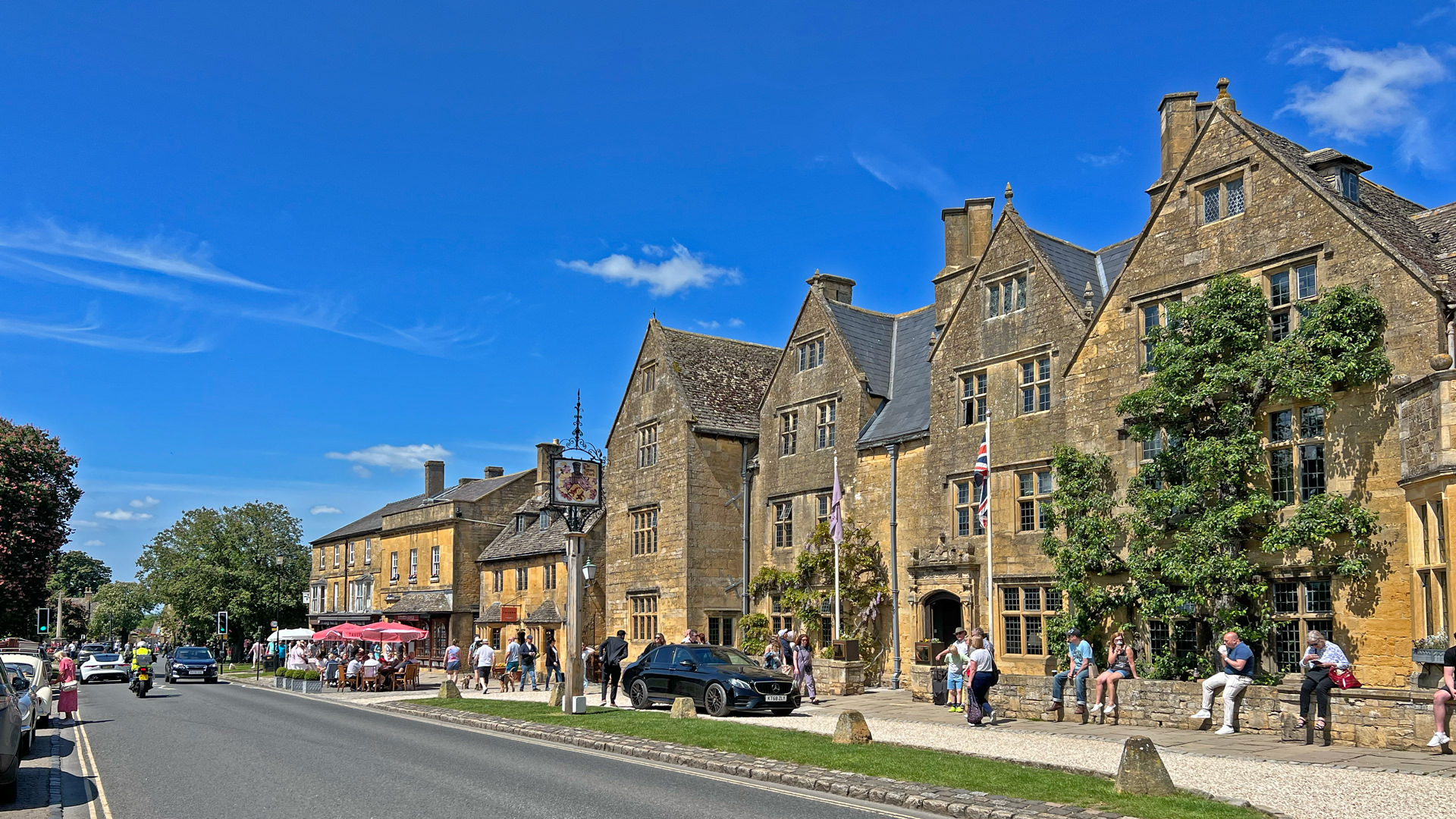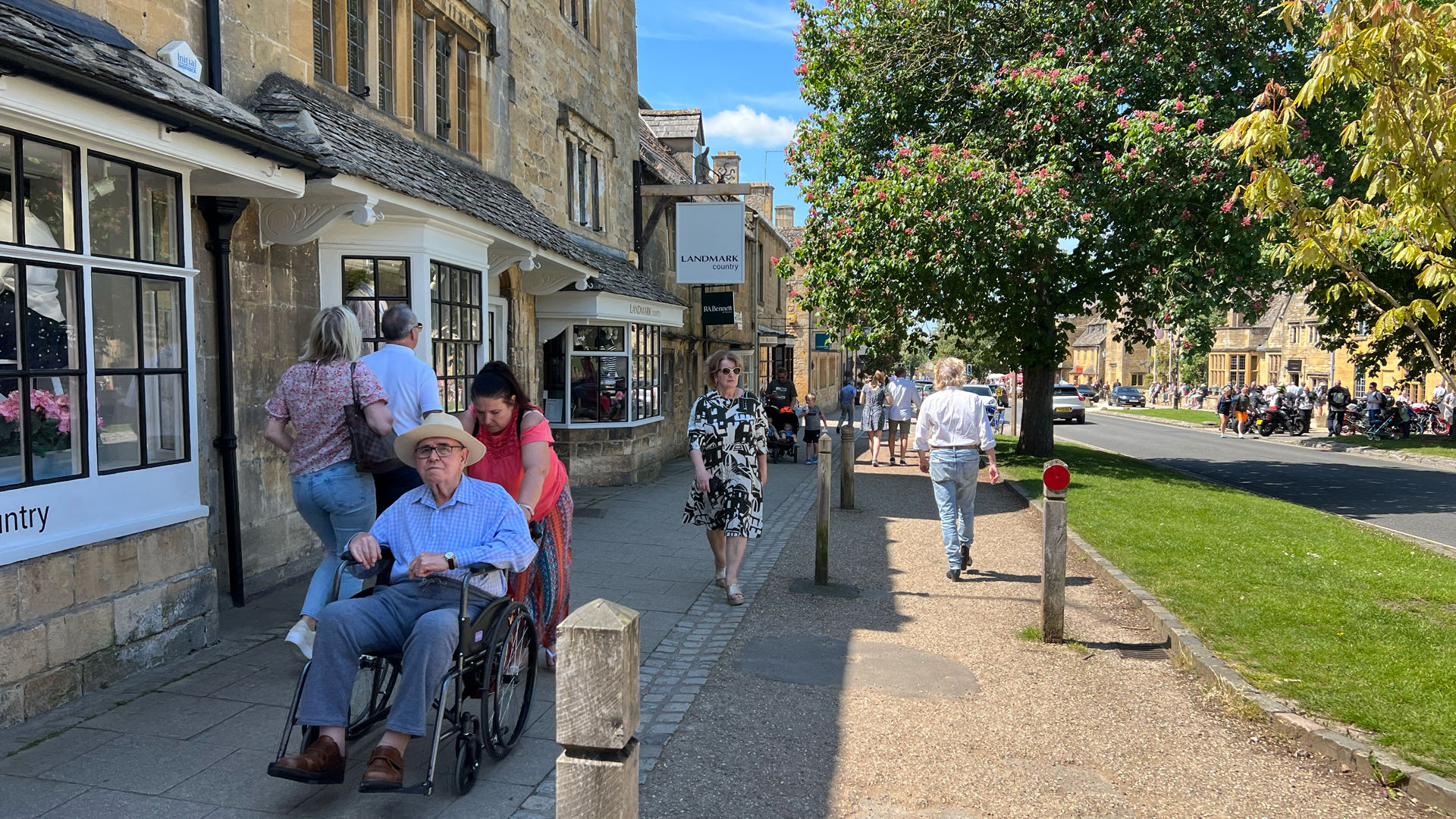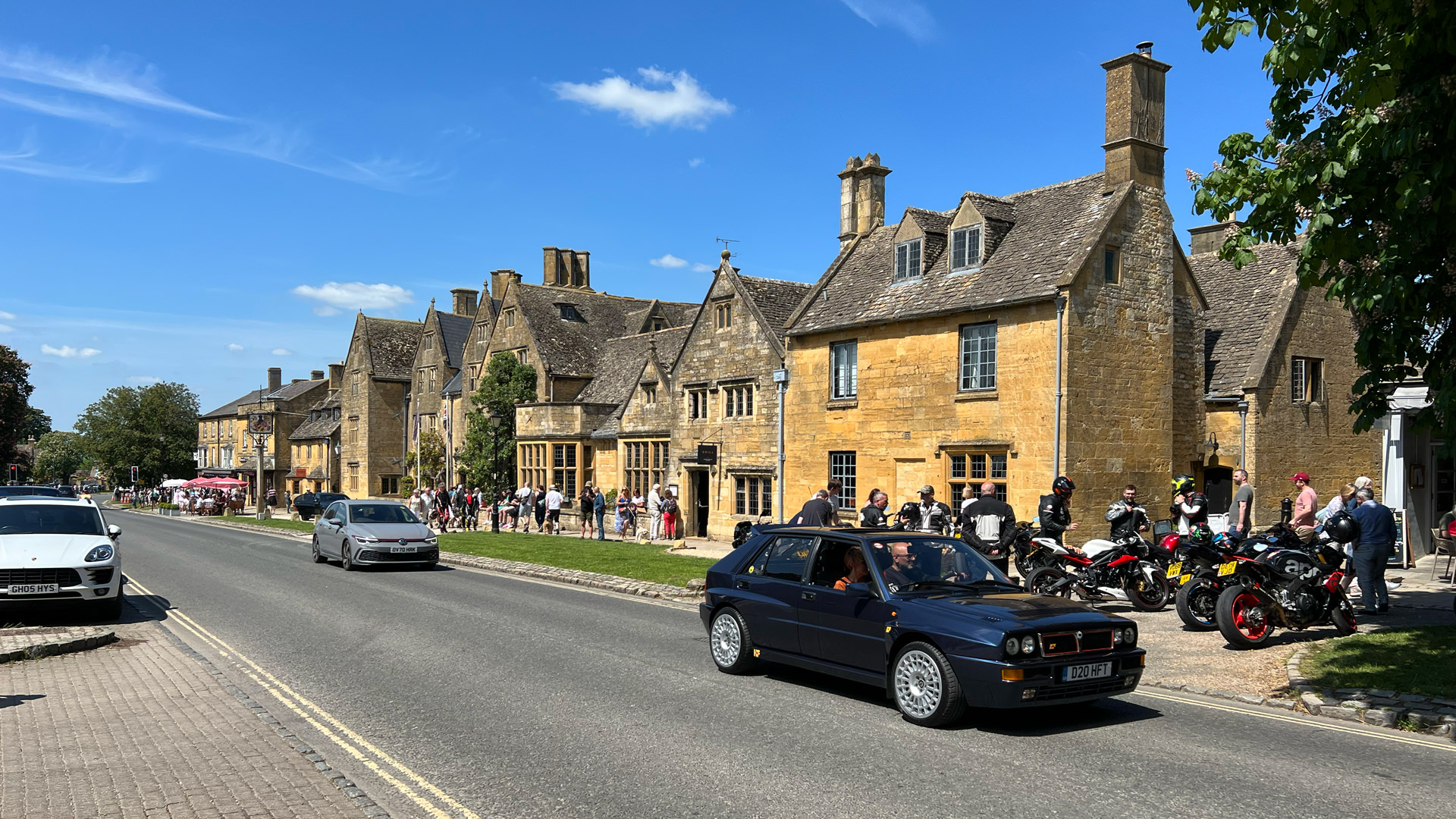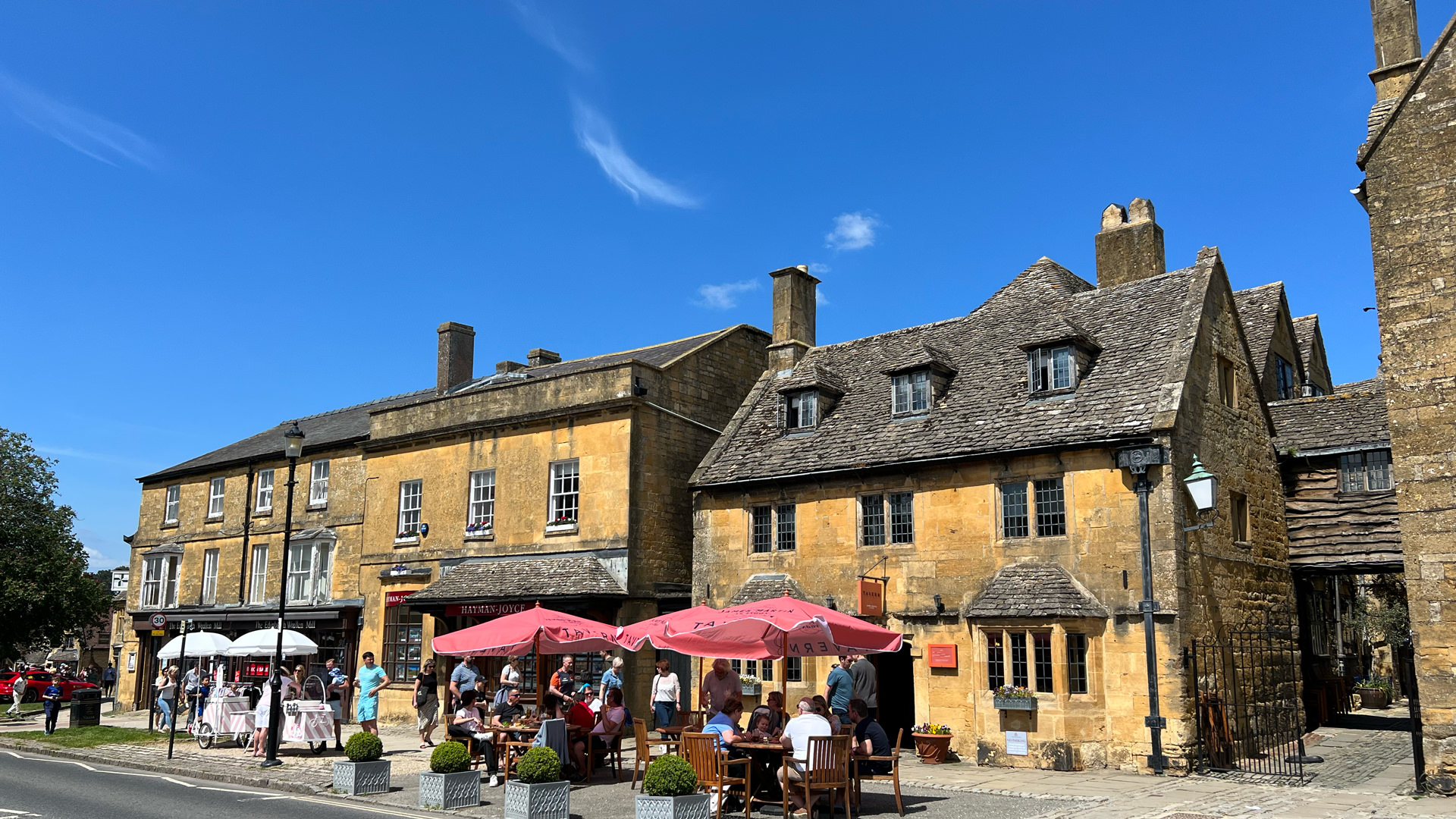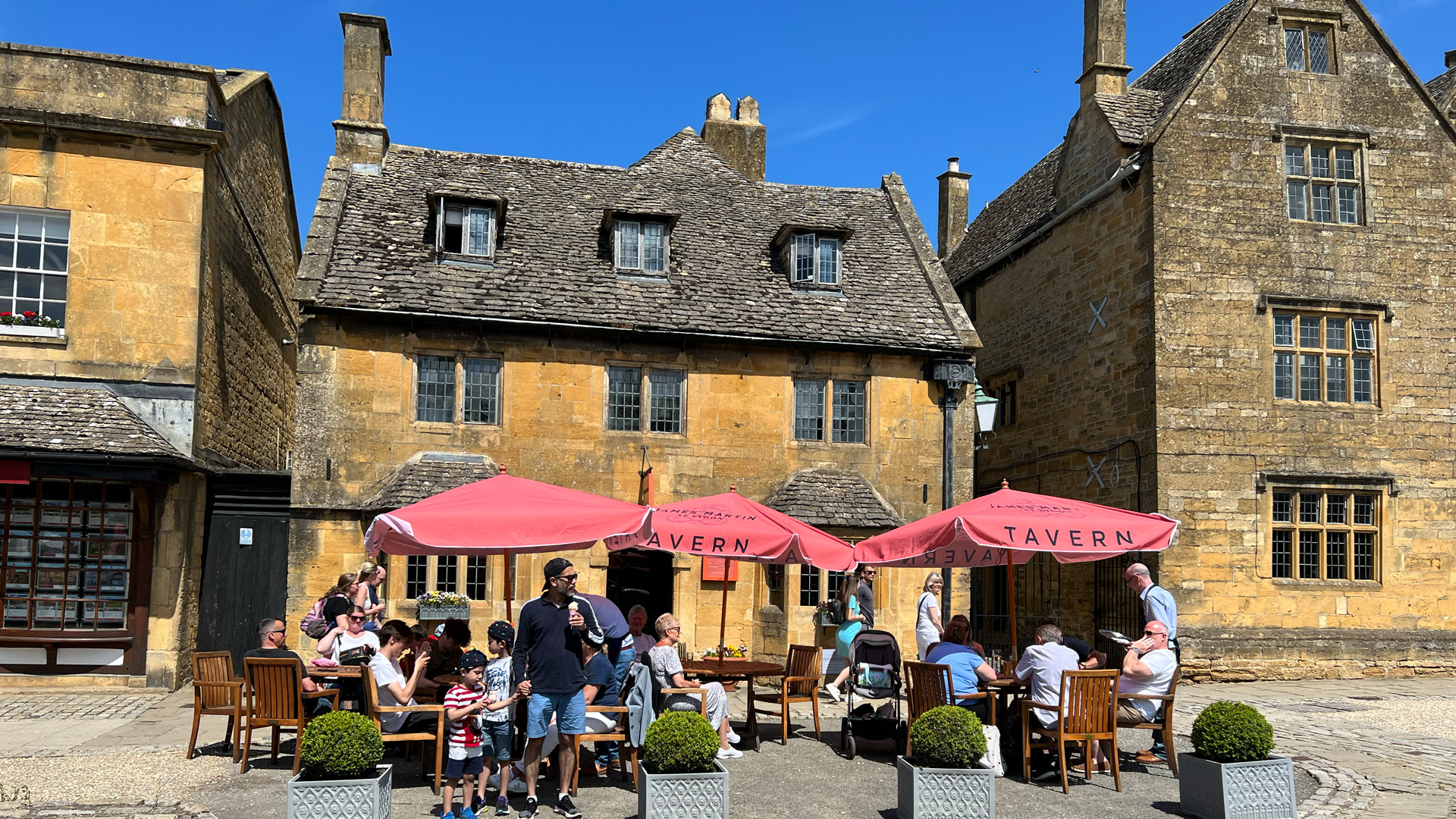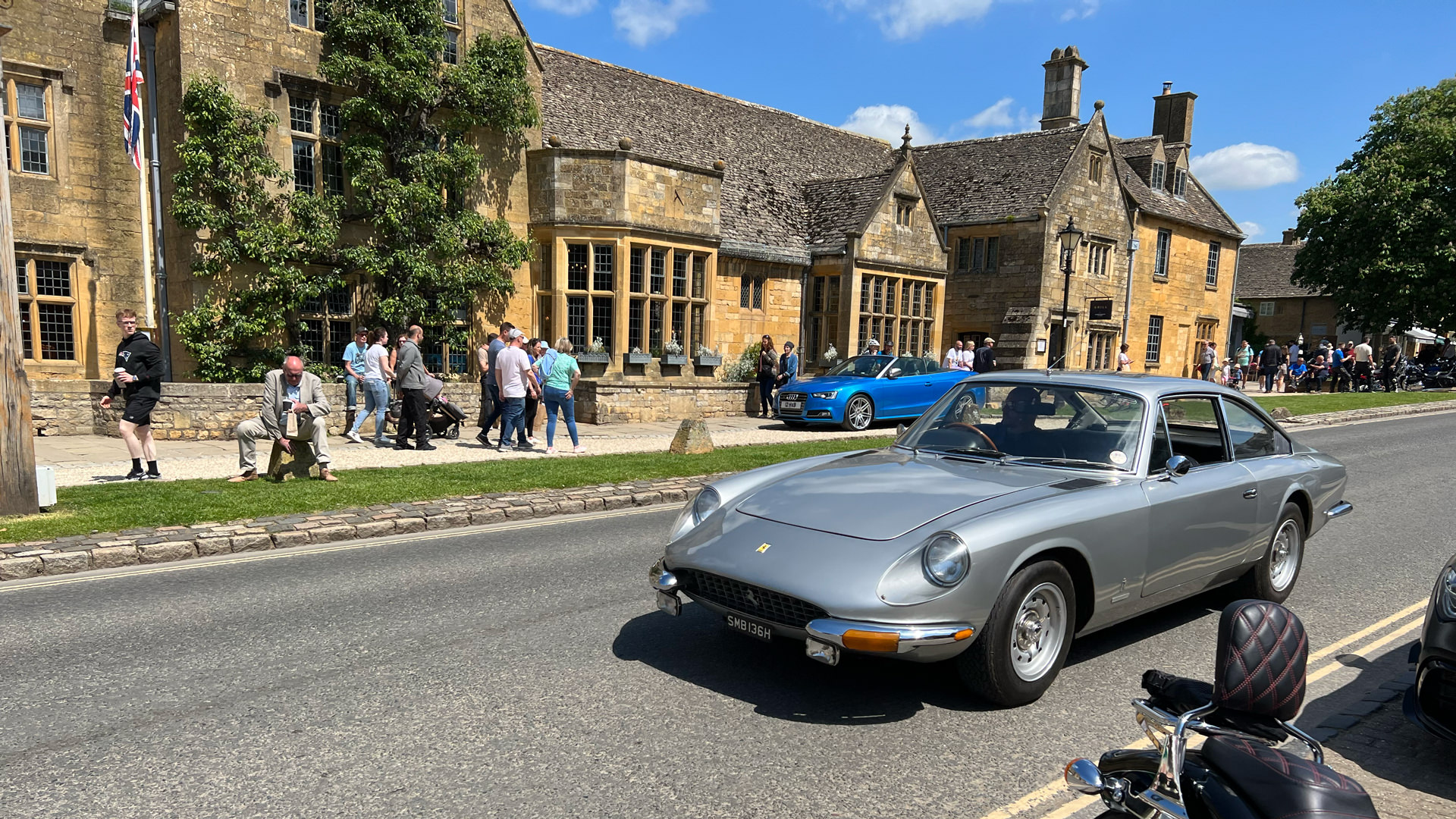
Broadway sits at the northern tip of the Cotswolds, in Worcestershire, just below the escarpment that gives the region its name. Its High Street is unusually wide for a village of this size — a legacy of its coaching-era role on the old road between Worcester and London — and lined the whole way with red chestnut trees and honey-coloured Cotswold stone buildings, many dating from the sixteenth century. It is a village that has attracted more than its share of well-known residents over the centuries, from a Pre-Raphaelite designer to a colony of American painters, and that history is still easy to trace on foot today. This guide sets out what makes Broadway worth building a visit around, from its High Street and artistic past to the walking country and villages around it.
Broadway at a Glance
| Location | South-eastern tip of Worcestershire, at the northern edge of the Cotswolds Area of Outstanding Natural Beauty |
| Known as | The “Jewel of the Cotswolds” |
| Distance from Stratford-upon-Avon | Around 16 miles; about 25 minutes by car |
| Distance from London | Around 2 hours by car, roughly 92 miles |
| By road | On the A44, reached down Fish Hill from Chipping Campden and Oxford, or via the B4632 from Cheltenham and Stratford |
| Parking | Several well-signposted car parks around the village; the largest is on Leamington Road, near the library, for busy weekends and bank holidays |
| Best known for | Its unusually wide High Street, its late-Victorian artists’ colony, Broadway Tower and its Arts and Crafts connections |
Exploring Broadway’s High Street
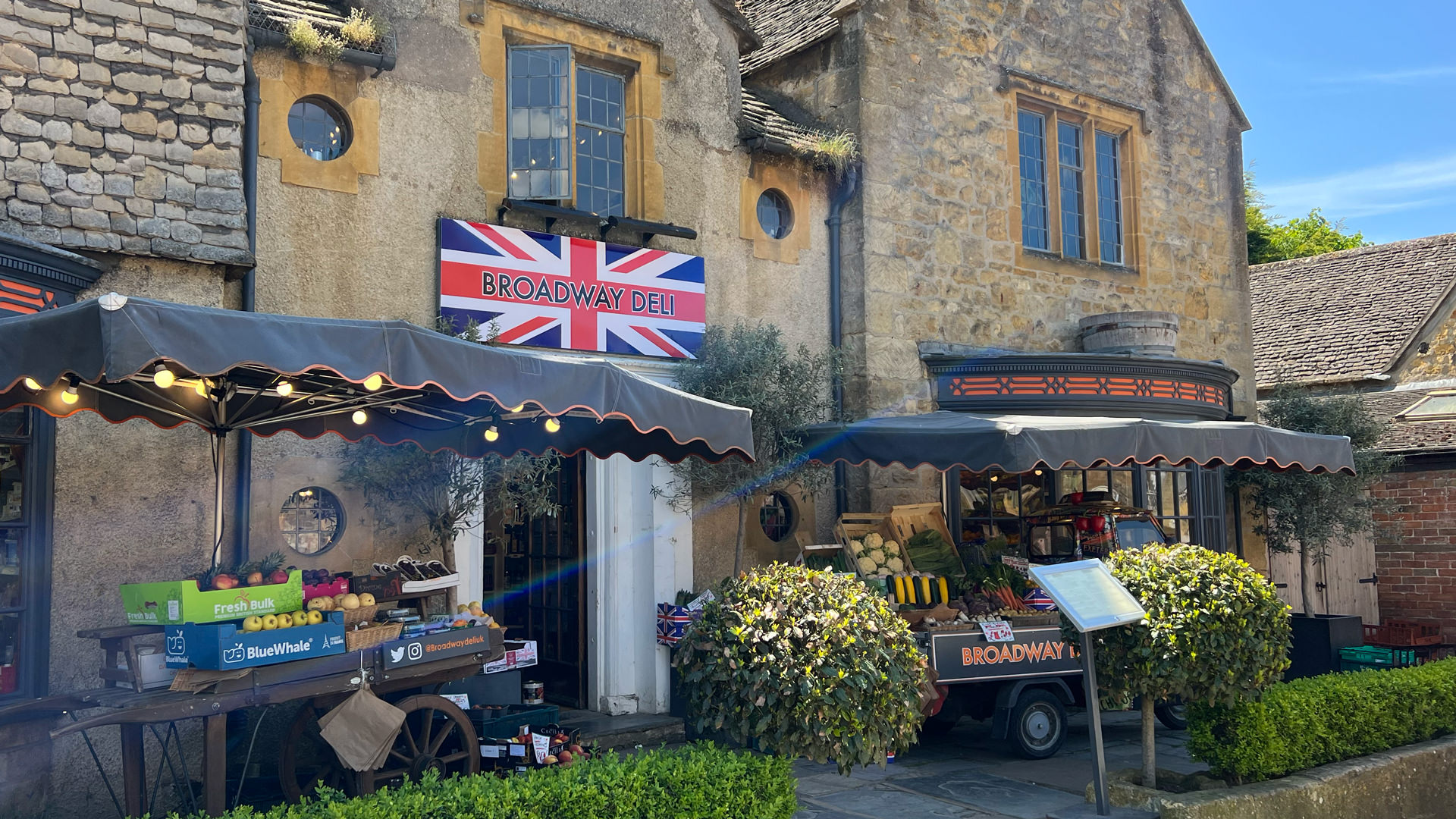
Broadway’s High Street is really a broad, grass-fringed green running the length of the village, and it rewards an unhurried walk rather than a quick drive-through. Many of its stone buildings date from the coaching era, when Broadway was a key staging post between Worcester and London, and several now house independent shops, antique dealers and galleries. The furniture designer Sir Gordon Russell grew up in Broadway from 1904, when his father took over running the Lygon Arms, and went on to found his own furniture-making business in the village; the Gordon Russell Design Museum, housed in a Grade II listed former workshop, traces his sixty-year career from Arts and Crafts beginnings to Utility-era furniture and international commissions, including his 1925 Paris Exhibition gold medal-winning cabinet.
For a broader view of the village’s history, the Broadway Museum and Art Gallery, opened in 2013 inside a seventeenth-century former coaching inn, covers the wool trade that first brought the village prosperity, its Roman-era history, and its later reinvention as an artists’ retreat — including work connected to the American painters who settled here in the 1880s (see below).
Where to Eat and Drink in Broadway
Broadway’s dining options sit comfortably alongside its history, several of them inside buildings with genuine stories of their own.
- The Lygon Arms, on the High Street, has over 600 years of history behind it: Charles I is said to have used the building to rally royalist support during the Civil War, and Oliver Cromwell reputedly stayed the night before the Battle of Worcester. Today it operates as an 86-room, four-star hotel with two restaurants and a full spa, including a heated pool, sauna and steam room — a good option for a longer, more indulgent stay in the village itself.
- Russell’s of Broadway, a steak and seafood grill with eight individually designed bedrooms above it, occupies the sixteenth-century building that once housed Gordon Russell’s own furniture showroom and factory — a direct link back to the village’s design heritage.
- The Crown and Trumpet, a Grade II listed seventeenth-century inn just behind the village green, is Broadway’s traditional local: oak beams, open fires, locally brewed seasonal ales that have been CAMRA-recommended for more than thirty-five years, and regular live music.
- Otis & Belle, the award-winning artisan bakery known for its slow-fermented sourdough and strong viennoiserie and patisserie counter, also has a branch in Broadway — a good stop for breakfast or a pastry before setting out along the High Street.
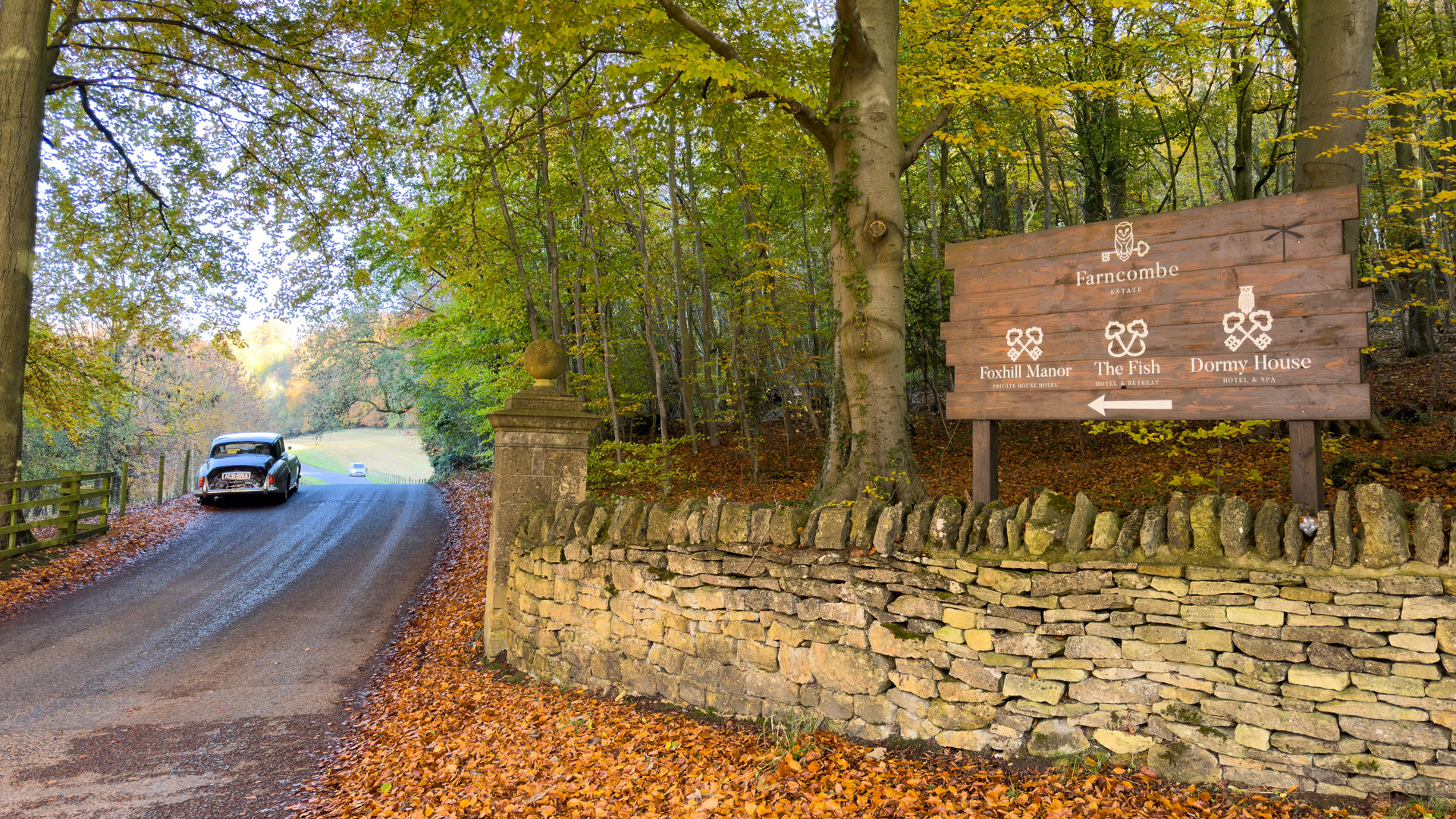
- Dormy House, a converted seventeenth-century farmhouse set in 400 acres on the Farncombe Estate just outside the village, is the more destination-dining option of Broadway’s two well-known country hotels. Its two restaurants sit at opposite ends of the scale: MO, a twelve-seat chef’s table built around an eight-course tasting menu and rated four AA rosettes, and The Back Garden, a more relaxed, seasonally led dining room under the guidance of chef Martin Burge.
- The Fish, Dormy House’s sister hotel on the same Farncombe Estate, centres on Hook, a seafood-led restaurant open for dinner all week with a well-regarded Sunday lunch, plus a terrace looking out over the Vale of Evesham — a good option for a longer, more relaxed meal outside the village itself.
For a wider view of dining across the region, our guides to the best restaurants in the Cotswolds and the best country pubs in the Cotswolds both help set Broadway’s options in context.