Places

Oxford

Oxford's honey-coloured colleges and spires make it feel like an extension of the Cotswolds itself, and a natural gateway into the wider region.

Share:
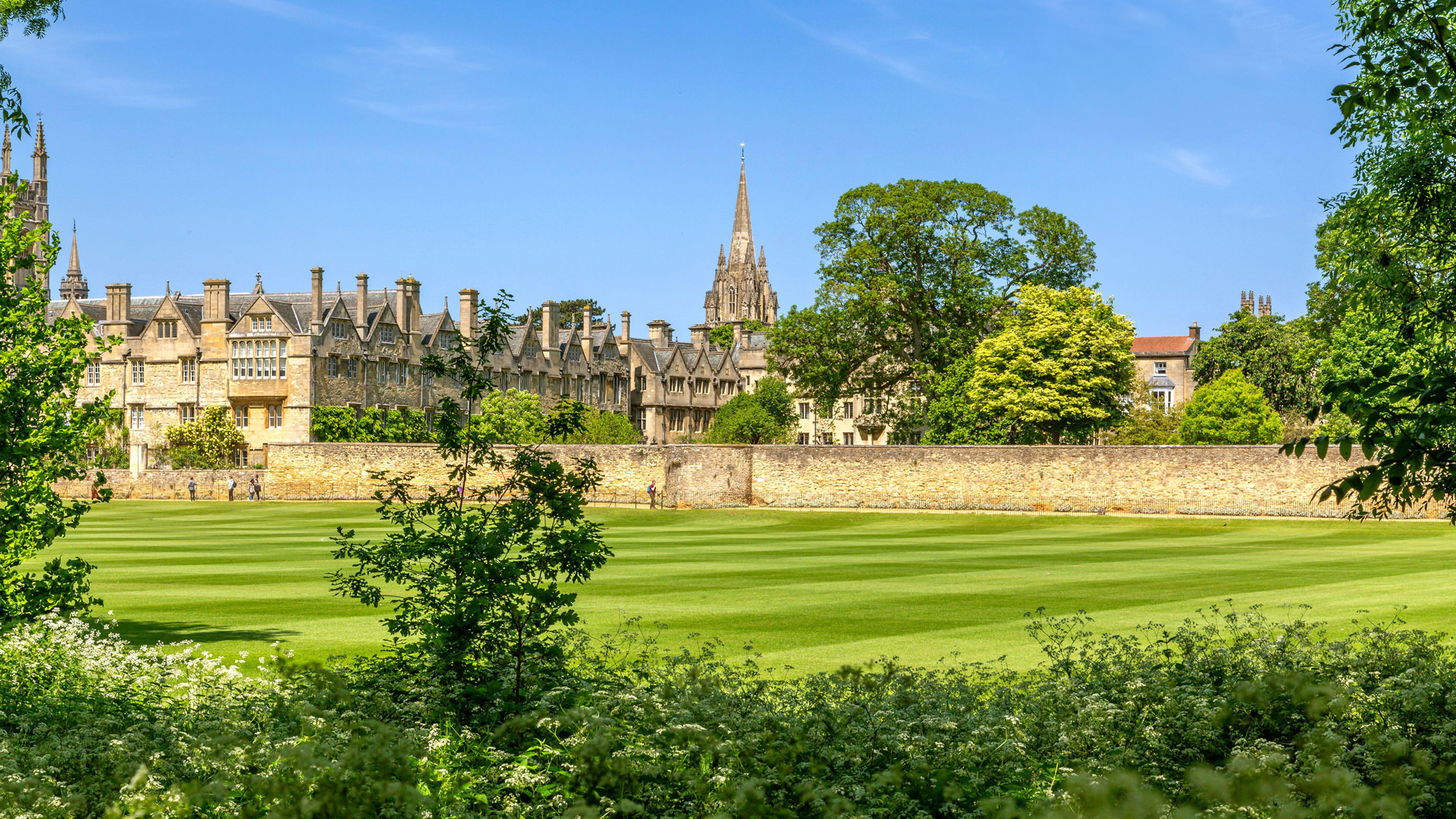
oxford college lawn

Oxford

Oxford’s honey-coloured colleges and spires make it feel like an extension of the Cotswolds itself, and a natural gateway into the wider region.

Oxford sits just beyond the Cotswolds’ eastern edge, but in spirit it belongs to the same world of honey-coloured stone, ancient institutions and quiet parkland. As the seat of the English-speaking world’s oldest university, it has earned its nickname, the “City of Dreaming Spires,” through eight centuries of college building, and it remains a genuinely working city rather than a museum piece — students still cycle between lectures past buildings that have stood since the Middle Ages. For guests staying in the Cotswolds, Oxford makes a natural day out or a first and last stop on a longer stay. This guide sets out what makes it worth the visit, from its colleges and museums to punting on the Cherwell and where to eat.

Oxford at a Glance

Location Oxfordshire, at the confluence of the River Thames (known locally as the Isis) and the River Cherwell, just beyond the eastern edge of the Cotswolds
Known as The “City of Dreaming Spires”
Distance from Burford Around 20 miles; about 35 minutes by car
Distance from London Around 60 miles; about an hour by direct train from Oxford station to London Paddington
By road Just off the M40, with the A40 and A34 connecting into the wider Cotswolds
Parking Five Park & Ride sites around the ring road, with regular buses into the city centre; central parking is limited and best avoided
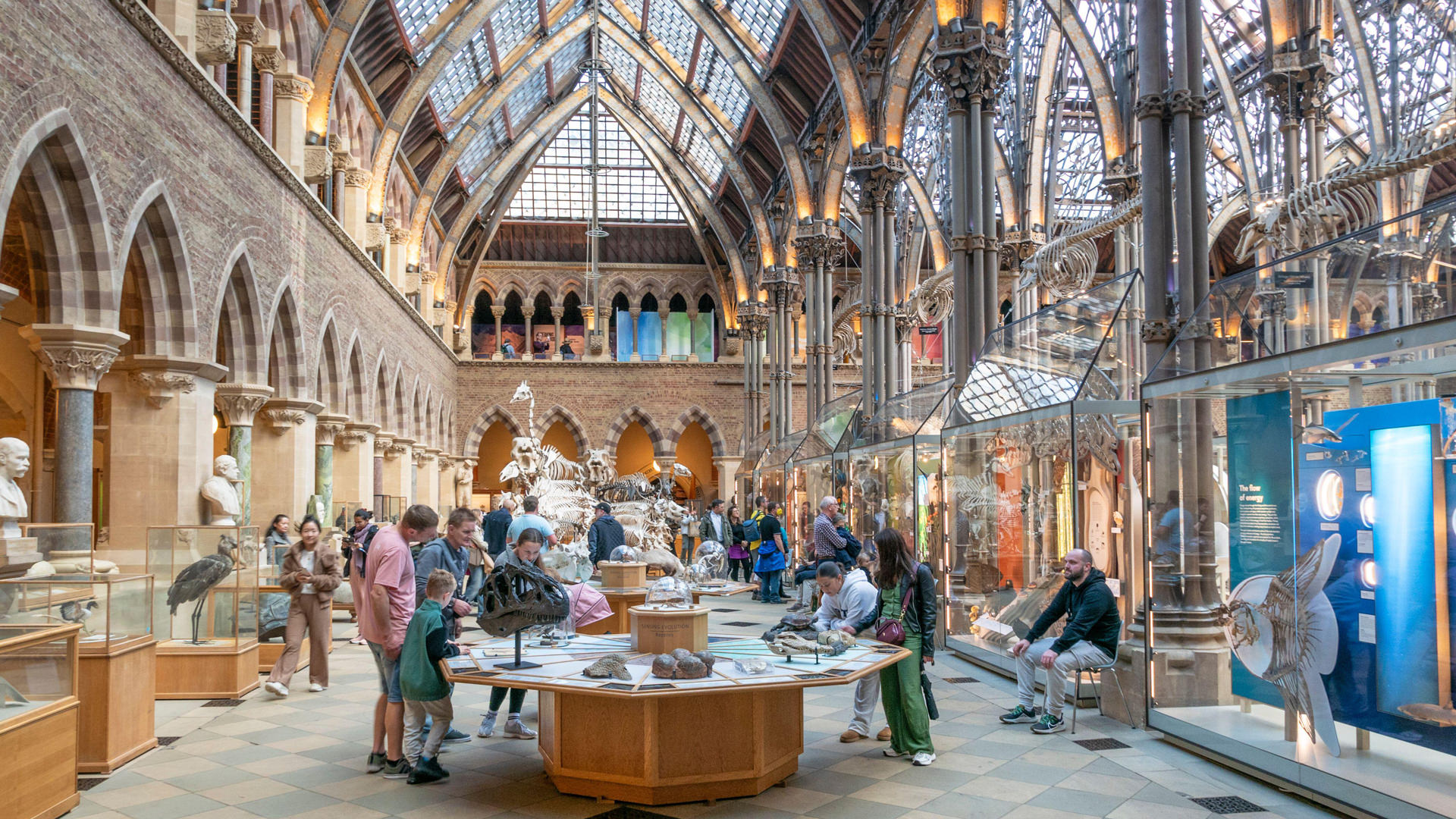
Best known for Its colleges, the Bodleian Library and Radcliffe Camera, the Ashmolean Museum, and punting on the Cherwell

Exploring Oxford’s Colleges and Libraries

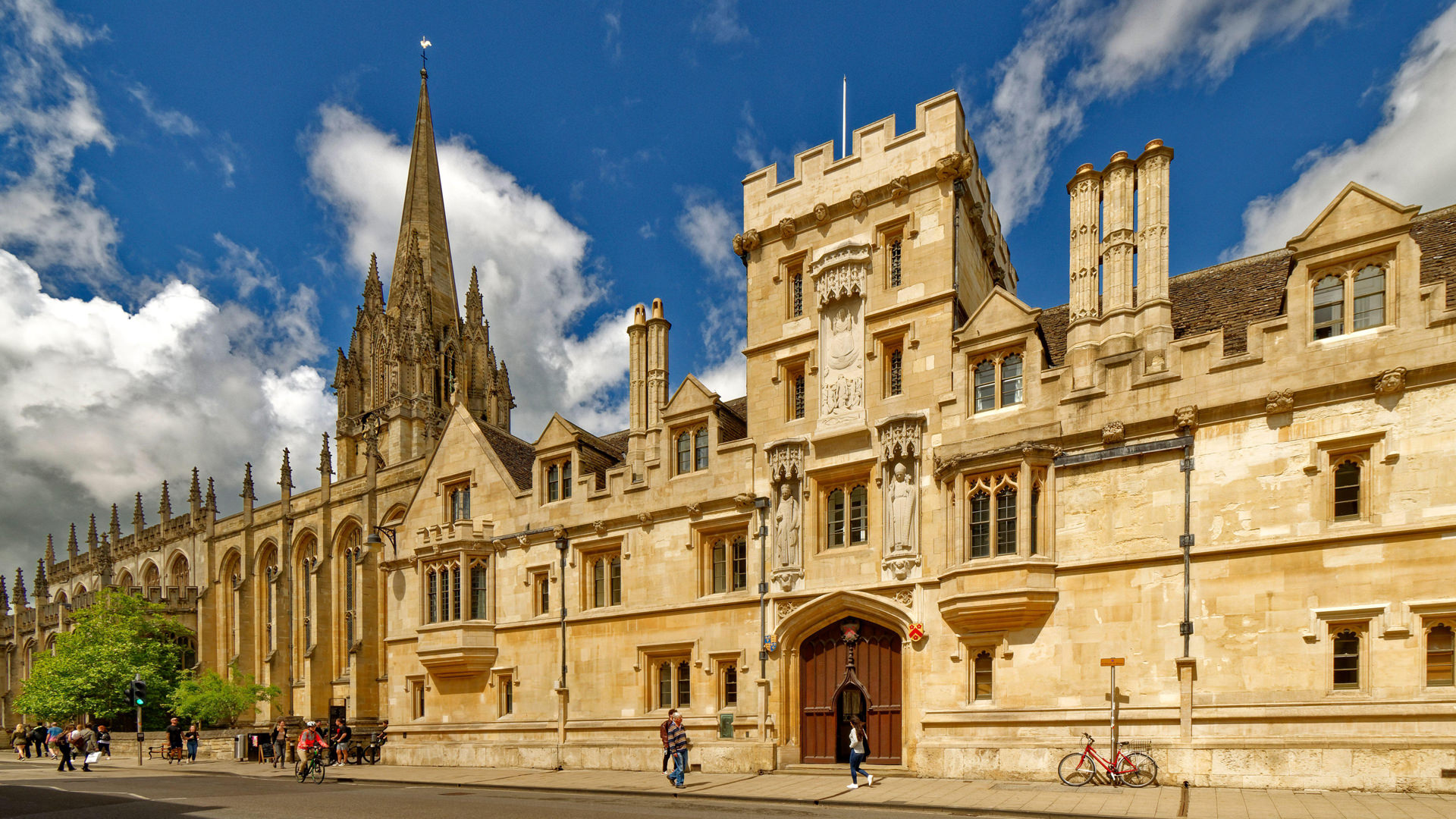
Oxford’s skyline is really a collection of individual colleges, many of which open their courtyards, chapels and dining halls to visitors. Christ Church, founded by Cardinal Wolsey and Henry VIII, is the largest and grandest of them, uniquely doubling as Oxford’s cathedral, with a dining hall whose long tables and hammerbeam roof helped inspire the great hall at Hogwarts in the Harry Potter films. At the heart of the university sits the Bodleian Library, one of the oldest libraries in Europe, with free tours available of its historic reading rooms, and the Radcliffe Camera beside it — a circular, domed library completed in 1749 and among the most photographed buildings in England, visitable only on a guided tour.

The Ashmolean Museum, founded in 1683, claims the title of Britain’s oldest public museum and the world’s first university museum, with collections ranging from Egyptian antiquities to contemporary art. For a slower, more local pace, the Covered Market, in continuous use since 1774, is one of the best places in the city for fresh produce, independent shops and a quick lunch between sights.

For visitors wanting more than a self-guided wander, Oxford’s Blue Badge and Green Badge guides — accredited by the Institute of Tourist Guiding and the Oxford Guild of Tour Guides — offer private, tailor-made tours of the colleges and city, including behind-the-scenes access and college interiors not always open to casual visitors. Our concierge team can arrange this directly as part of a stay (see below).

Where to Eat and Drink in Oxford

Oxford’s dining runs from riverside pubs with genuine literary history to destination restaurants in unlikely settings.

  • Gee’s Restaurant, in North Oxford, occupies a Grade II listed Victorian glasshouse built in 1897 as a plant nursery, its ironwork and glass canopy now sheltering a Mediterranean-inspired dining room built around a wood-fired oven and charcoal grill.
  • The Trout Inn, a seventeenth-century riverside pub in Lower Wolvercote, sits on the Thames near Godstow Bridge and is familiar to television audiences from the Inspector Morse and Lewis series, as well as to readers of Evelyn Waugh’s Brideshead Revisited.
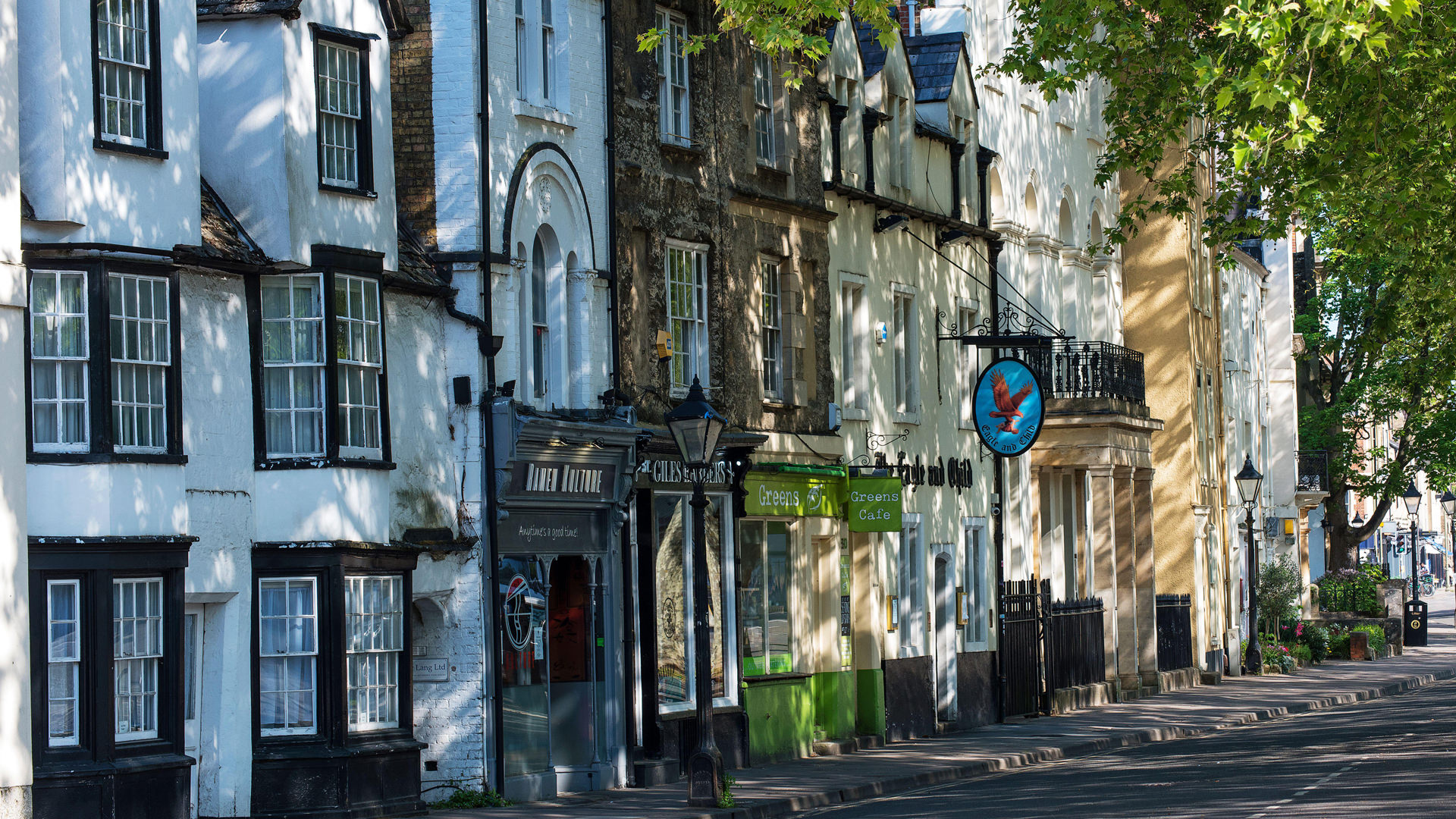
  • The Eagle and Child, on St Giles’, is the historic pub where J.R.R. Tolkien, C.S. Lewis and the other Inklings met each week to read early drafts of The Lord of the Rings and The Chronicles of Narnia aloud in its back room; the pub is currently closed for a Foster + Partners-led restoration.
  • Cherwell Boathouse, on the river itself, pairs a long-standing wine list with a genuinely scenic setting for a riverside lunch or dinner.

For a wider view of dining across the region, the best restaurants in the Cotswolds sets Oxford’s options in context.
OXFORD IN MORE DETAIL

Oxford’s Arts Scene: Theatre, Music and Festivals

Oxford’s performing arts run from grand commercial stages to some of the most historic concert venues in the country. New Theatre Oxford, the city’s main commercial theatre with a capacity of nearly 1,800, hosts touring musicals, comedy and drama, while the independent Oxford Playhouse, together with its Burton Taylor Studio, produces a wide-ranging programme of live performance. Grandest of all is the Sheldonian Theatre, Sir Christopher Wren’s first major architectural work, completed in 1669 for the university’s degree ceremonies and now a striking setting for classical concerts, from the Oxford Philharmonic Orchestra to visiting choirs and soloists.

The city’s festival calendar has real depth: the Oxford Literary Festival each spring brings nine days of talks and debates with leading writers and thinkers to venues across the city, and May Morning, an Oxford tradition since at least the sixteenth century, sees the Magdalen College Choir sing from the top of Magdalen Tower at 6am on the first of May, followed by dancing, music and revelry through the streets below.

Sport in Oxford: From Bannister’s Mile to the Isis

Oxford’s sporting history carries genuine weight. The Iffley Road Sports Centre is home to the Sir Roger Bannister running track, the site of the first sub-four-minute mile in May 1954, still a competition-standard 400m track today and a place of pilgrimage for runners. The adjoining ground has been home to Oxford University RFC since the 1890s, while Oxford University Cricket Club has played at the picturesque Parks since 1881.

The sporting and social high point of the university year is Eights Week, a four-day bumps regatta held each May on the Isis — the stretch of the Thames that runs through Oxford — in which colleges race single file, each crew trying to catch and “bump” the boat ahead. The riverbanks fill with spectators and college boathouses for what remains one of the most atmospheric events on the Oxford calendar.

Historic Sites Beyond the Colleges

Away from the college quadrangles, Oxford holds a scattering of older, quieter landmarks. Carfax Tower, at the city’s central crossroads, is all that survives of the twelfth-century St Martin’s Church, its fifteenth-century bells still rung on special occasions and its top offering one of the best rooftop views in the city — by law, no building in central Oxford may stand taller. Nearby, the University Church of St Mary the Virgin, in continuous use since 1280, sits directly beside the Radcliffe Camera and offers a climb of its own for a different vantage point over the spires. Older still is Oxford Castle and Prison, founded over a thousand years ago and much fought over during the English Civil War; guided tours now take in its motte, the surviving Saxon tower, the Victorian prison cells and a candle-lit crypt.

Punting on the Cherwell and the Botanic Garden

Punting has been an Oxford tradition since 1880, when brothers William and John Salter began hiring out boats on the Isis before discovering that flat-bottomed punts suited the shallower River Cherwell far better. Magdalen Bridge is the most central starting point, with routes running south toward Christ Church Meadow and the University of Oxford Botanic Garden — the oldest botanic garden in Great Britain, founded in 1621 as a physic garden for medicinal research — or north toward the quieter University Parks. It remains one of the most enjoyable, unhurried ways to see the city on a fine afternoon.

Private Tours and Private Dining on the Thames

Beyond a self-guided punt, Oxford’s river offers a genuinely special setting for a private occasion. Oxford River Cruises, working with restaurants such as The Folly, run private “cruise and dine” trips aboard Edwardian-style river boats, pairing a leisurely passage along the Thames with a curated menu on board. For larger groups, boat charter companies operating on the upper Thames offer fully crewed private vessels with an onboard chef and waiting team, exclusive for the duration of the booking. Cherwell Boathouse, Oxford’s largest punting station, can also be booked privately alongside a table at its riverside restaurant, well regarded for its wine list and setting. Our concierge team can arrange either a private guided tour of the colleges with a Blue Badge guide or a private dining experience on the water as part of a stay — from a discreet celebration to a full-day itinerary combining both.

Planning Your Visit

Oxford is well served by rail, with direct trains from Oxford station to London Paddington in around an hour, and connections onward into the Cotswolds via Charlbury, Kingham and Moreton-in-Marsh. By road, the city sits just off the M40, with the A40 running directly into the heart of the Cotswolds. Driving into the centre is best avoided given limited and restricted parking; the five Park & Ride sites around the ring road, each with a regular bus service into town, are the more straightforward option for a day visit.

Oxford makes a natural anchor for exploring the eastern Cotswolds, and pairs well with our guides to Woodstock and Kidlington and North Cotswolds vs South Cotswolds for placing it within the wider region.

Where to Stay Near Oxford

Oxford’s position at the eastern edge of the Cotswolds puts it within easy reach of several of our collections. For a fuller sense of what is available nearby, our full portfolio of Cotswold properties can be filtered by location, including properties around Wallingford and Ewelme, both a short drive from the city.

However you choose to base yourselves, our concierge team can help build a day in Oxford into a wider Cotswolds stay — from a private Blue Badge tour of the colleges to a private dining cruise on the Thames.

In Short

Oxford earns its place at the start or end of a Cotswolds stay through eight centuries of history that remain genuinely alive: working colleges, one of the world’s great libraries, a museum older than the country’s oldest public collections elsewhere, and a river still punted much as it was in the 1880s. Beyond the obvious landmarks, it is also a genuine arts city with historic theatres and a serious festival calendar, home to sporting history from Bannister’s four-minute mile to Eights Week on the Isis, and a place where a private tour or a private dinner on the water can turn a day visit into something more memorable still. It suits a focused day trip as easily as a longer stay for guests wanting a city alongside their countryside.

If you are planning a stay nearby, enquire with our team and we will help you build a visit to Oxford and the Cotswolds around the right property for your group.


© Luxury Cotswold Rentals. Images © Luxury Cotswold Rentals, except where copyright remains with the original photographer or creator.