Walking from Chipping Campden: The Start of the Cotswold Way
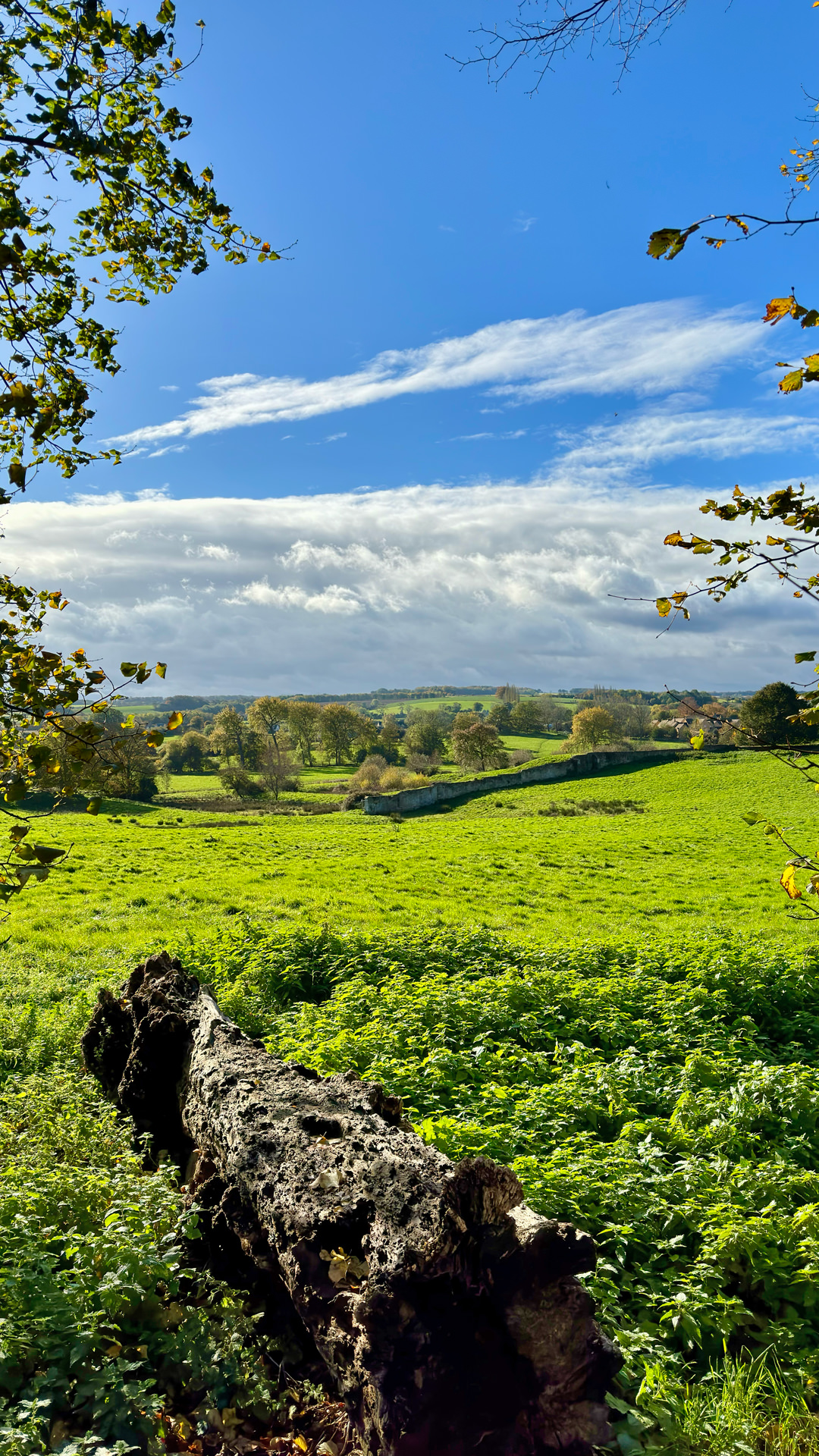
Chipping Campden holds a genuine claim to fame among walkers: it is the official northern starting point of the Cotswold Way, the 102-mile National Trail that runs south to finish in Bath. Even without walking the whole route, the climb up to Dover’s Hill makes a rewarding short outing directly from the town, with wide views back over the Vale of Evesham.
Our guide to the best walks in the Cotswolds covers further routes across the wider region.
A Town Built on Wool
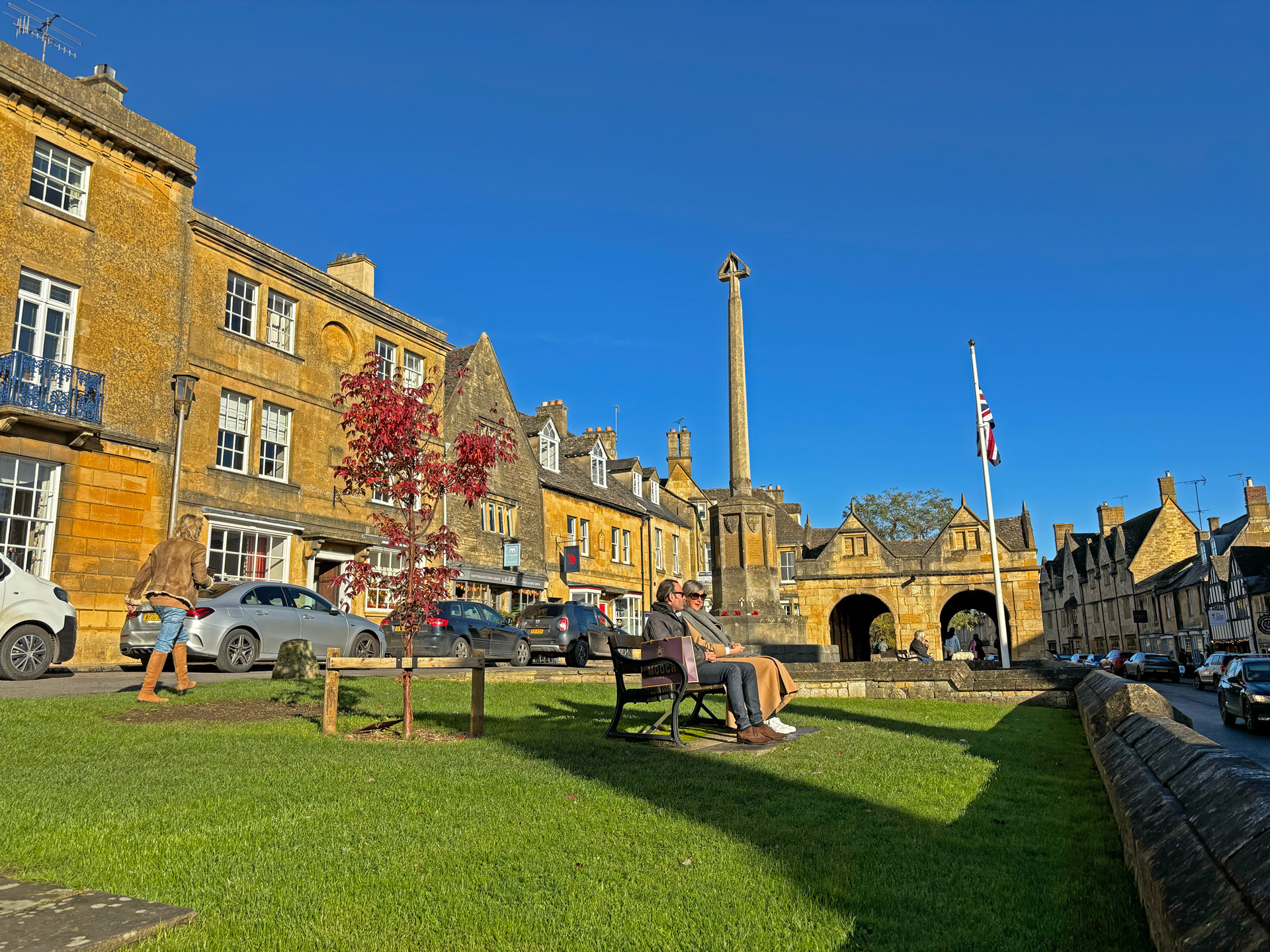
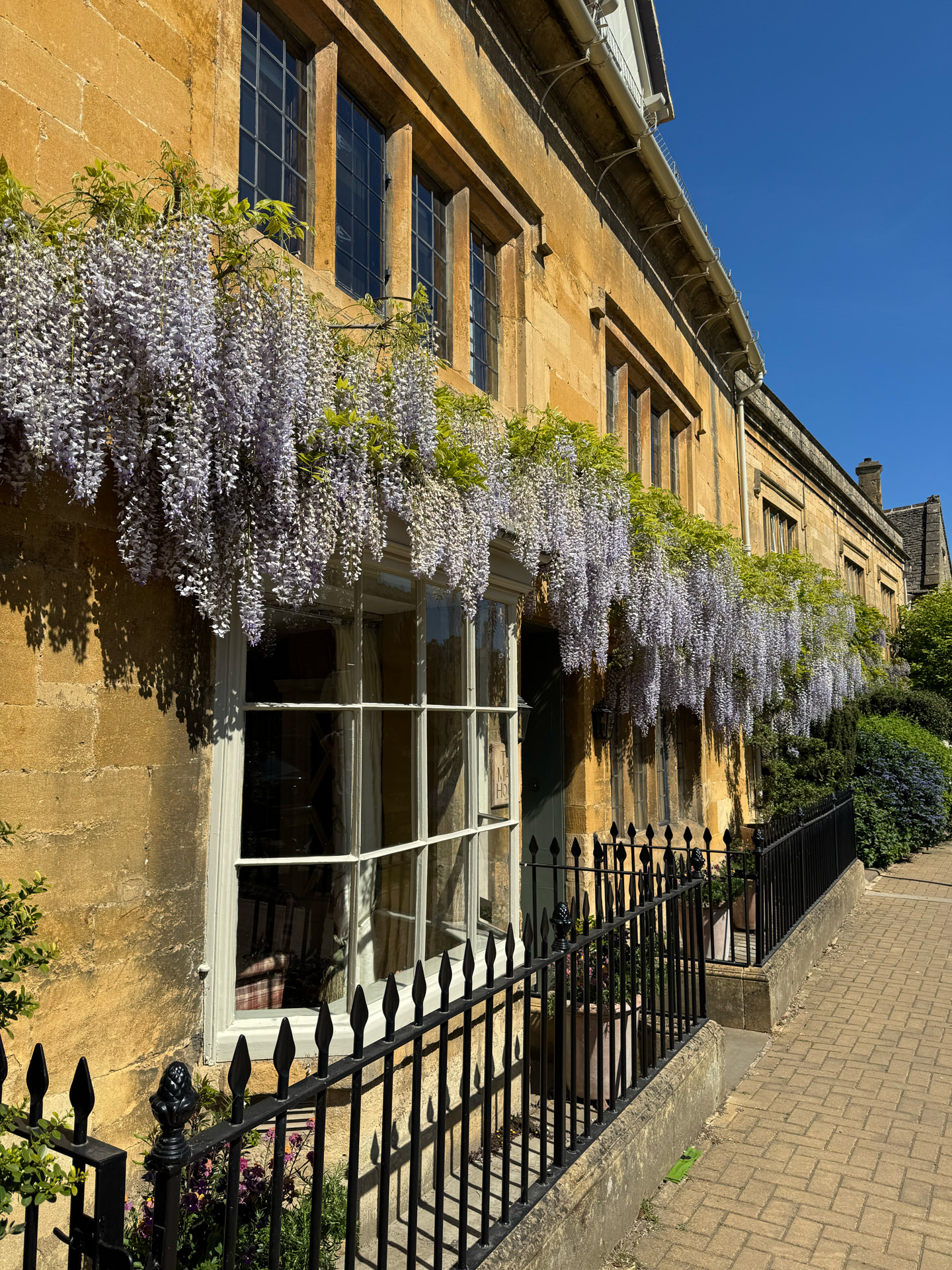
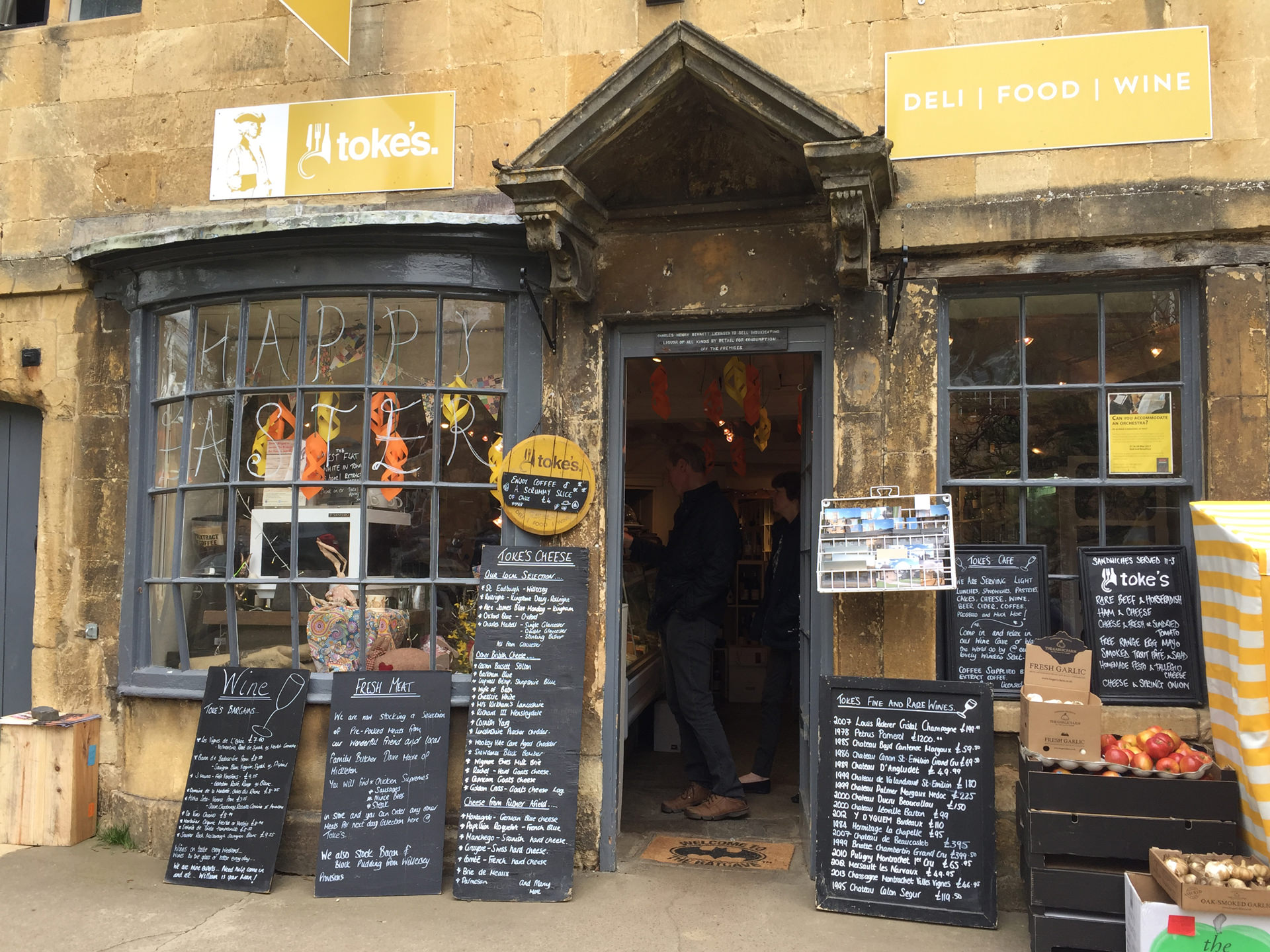
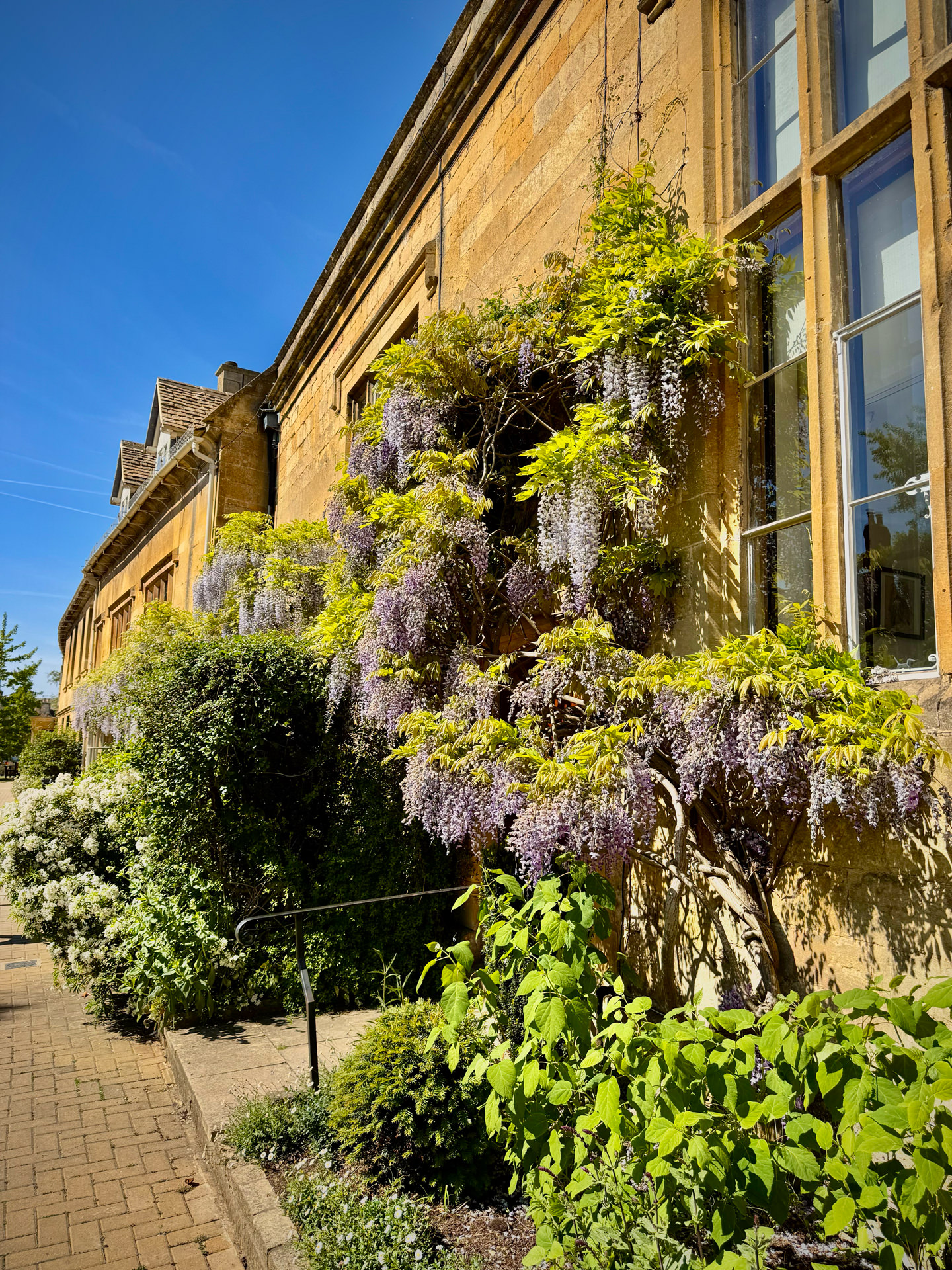
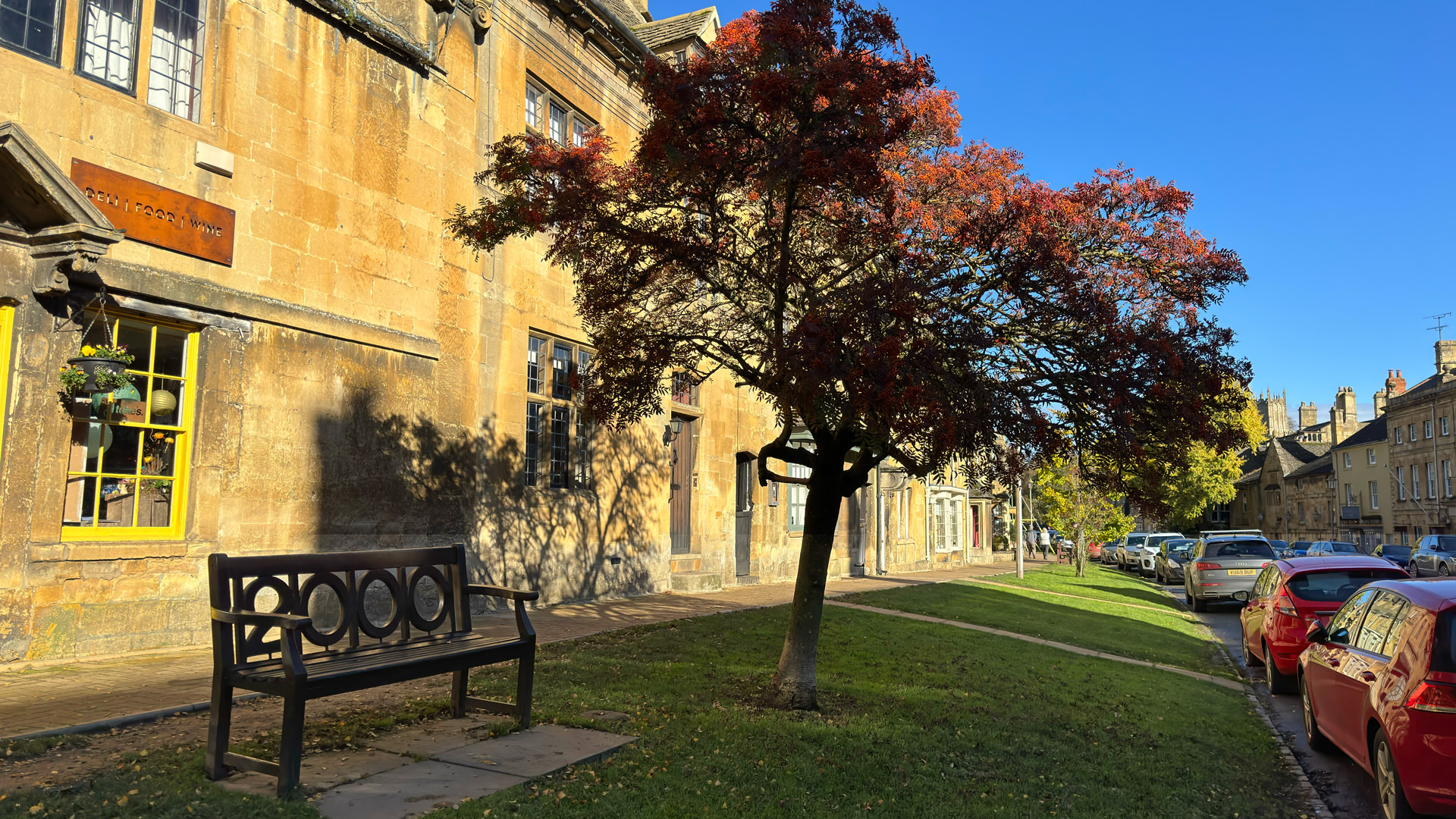
Chipping Campden received its market charter in 1185, under Henry II, and grew over the following centuries into one of the most important wool towns in England — “chipping” itself derives from an old word for market or market-place. By the fourteenth and fifteenth centuries, at the height of the trade, local merchants had grown extraordinarily wealthy on the export of high-quality Cotswold fleece, and that wealth is what built the town visible today.
Grevel House and the Woolstaplers Hall
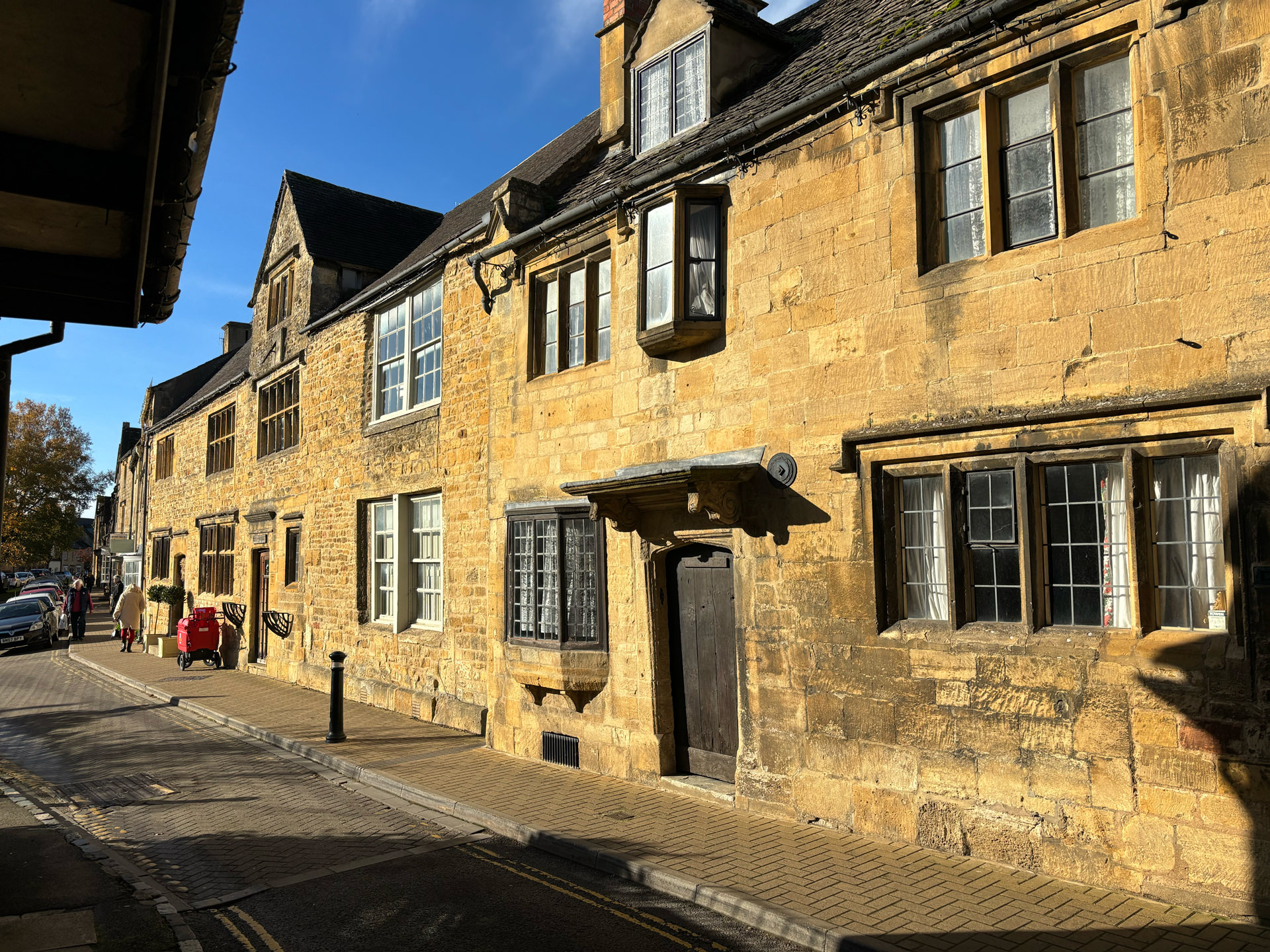
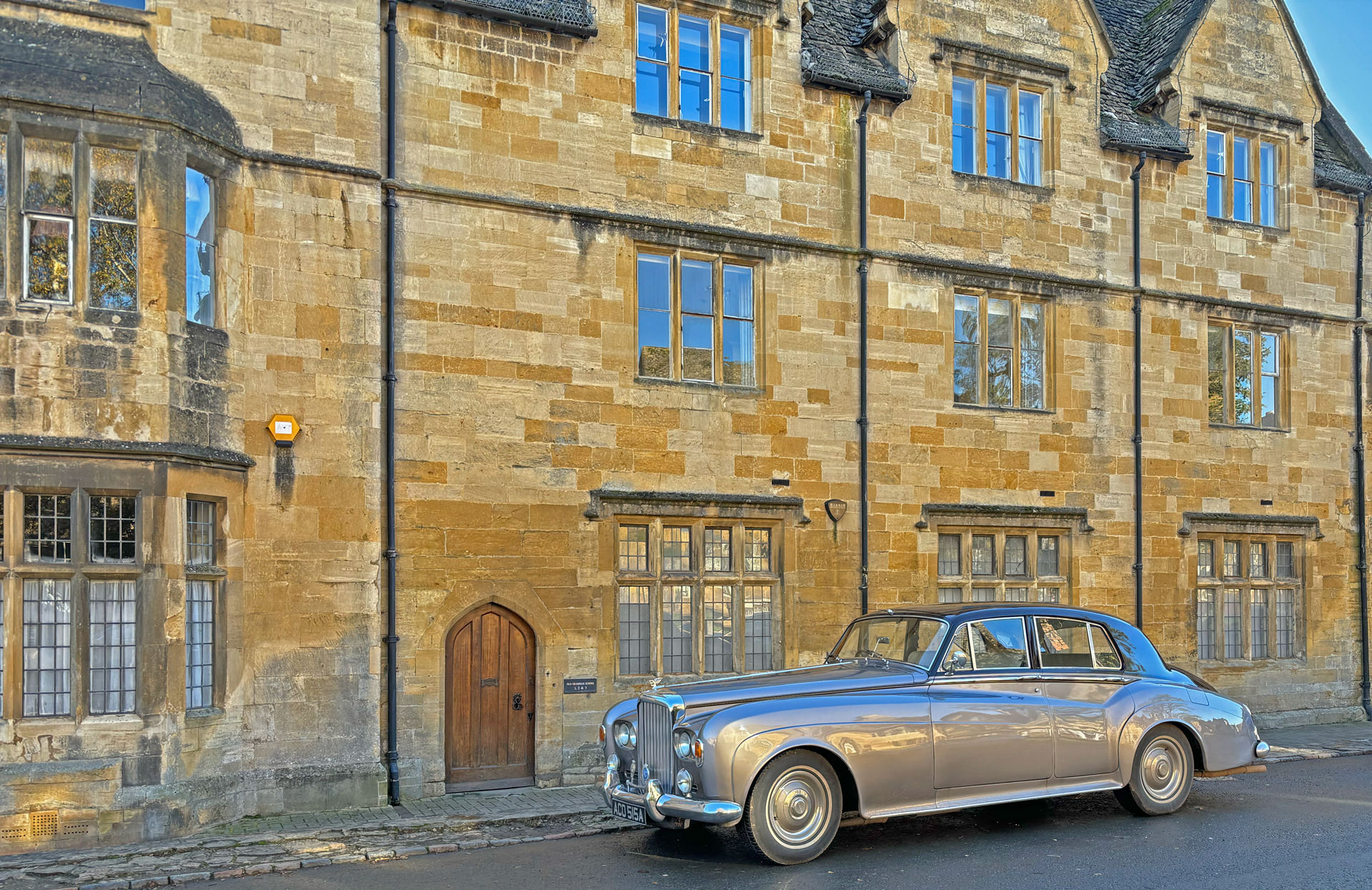
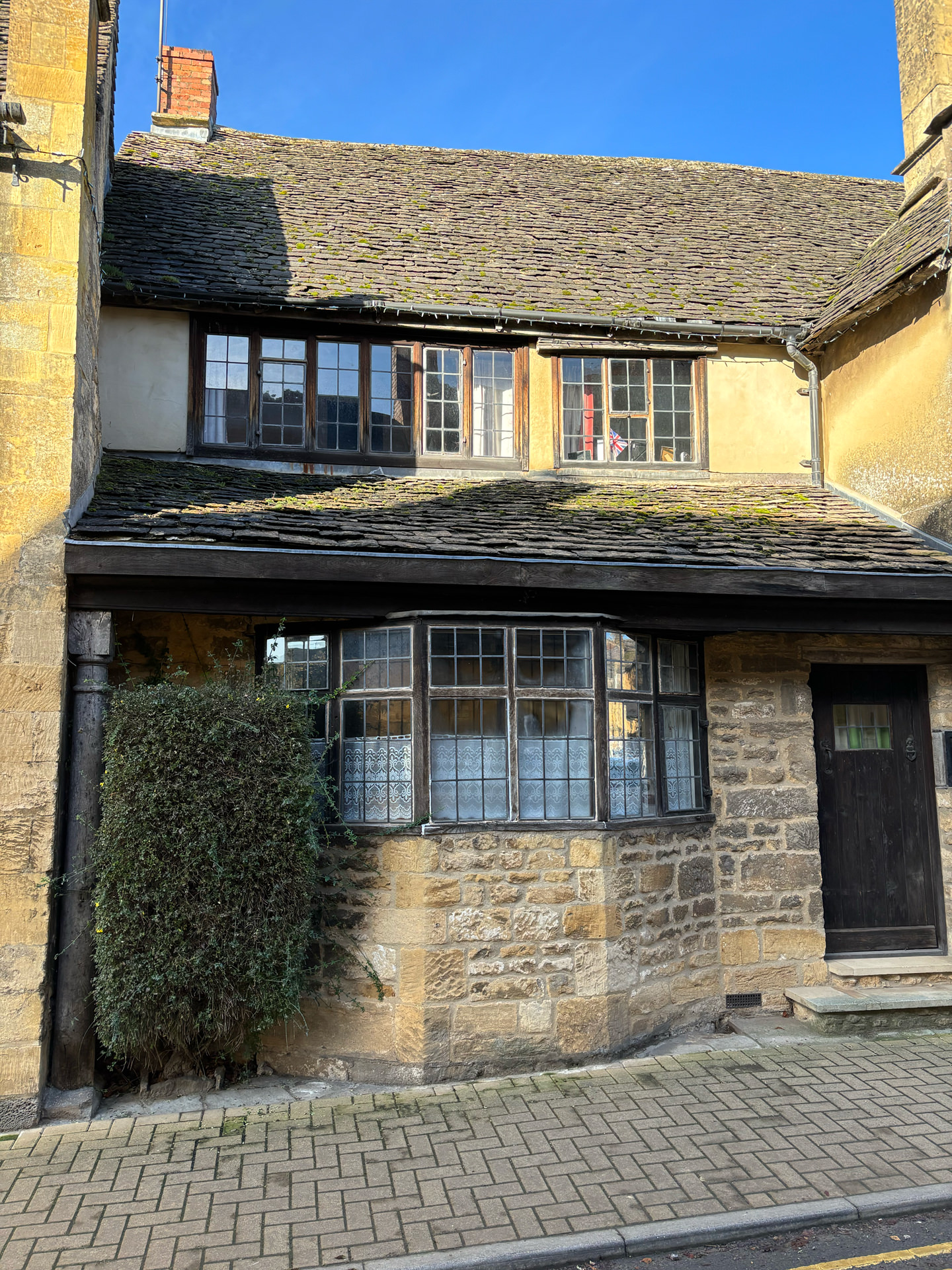
The clearest evidence of that wealth is Grevel House on the High Street, built in 1380 for William Grevel, one of the country’s most successful wool merchants, whose memorial brass in the parish church describes him as “the flower of the wool merchants of all England.” It is thought to be the oldest surviving house in the town, and was among the first in the area to have proper chimneys rather than simple roof holes. Opposite stands the Woolstaplers Hall, built around 1340, which served for centuries as the town’s wool exchange, drawing merchants from across the country and beyond to trade in Cotswold fleece.
The Market Hall
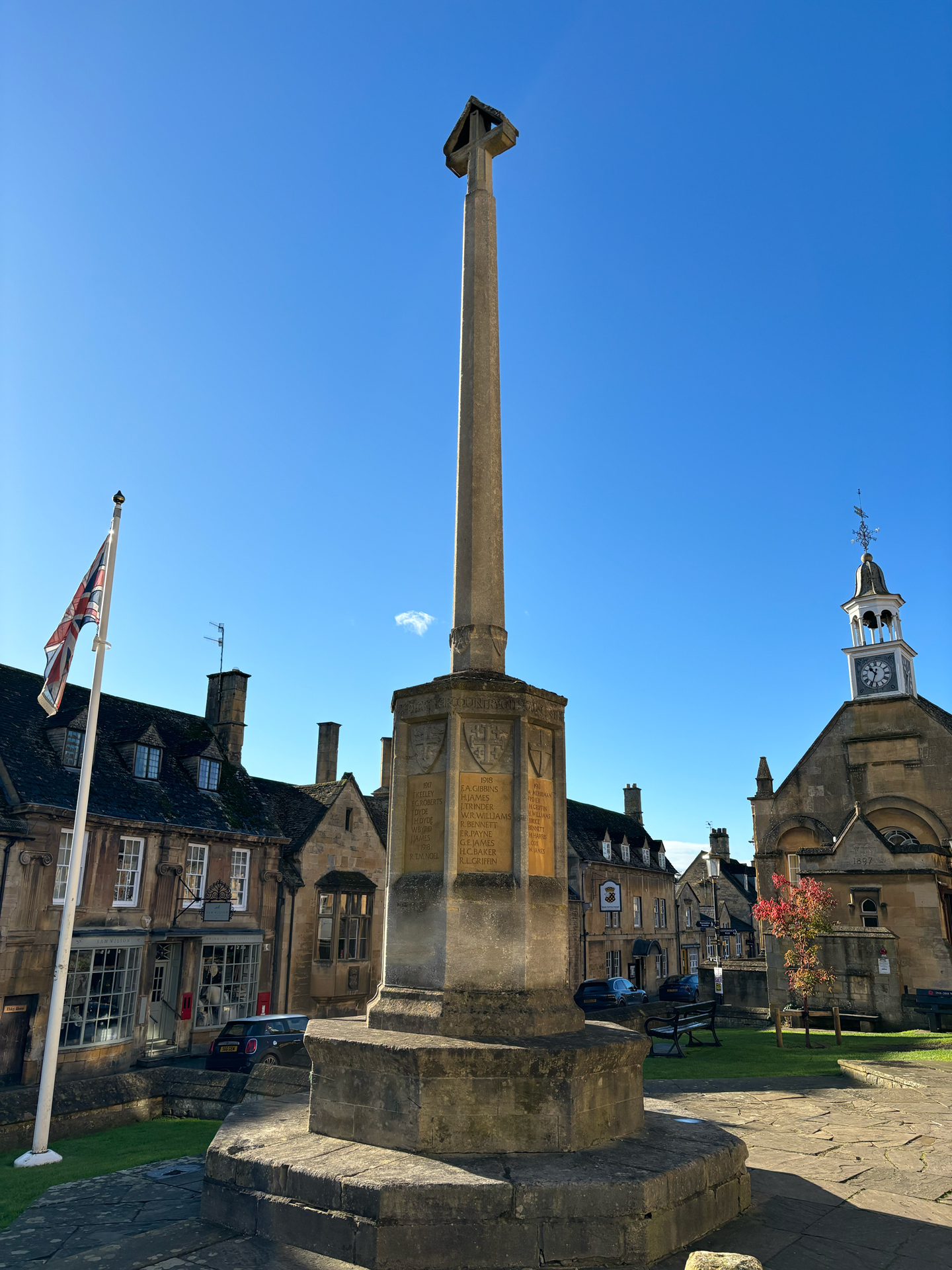
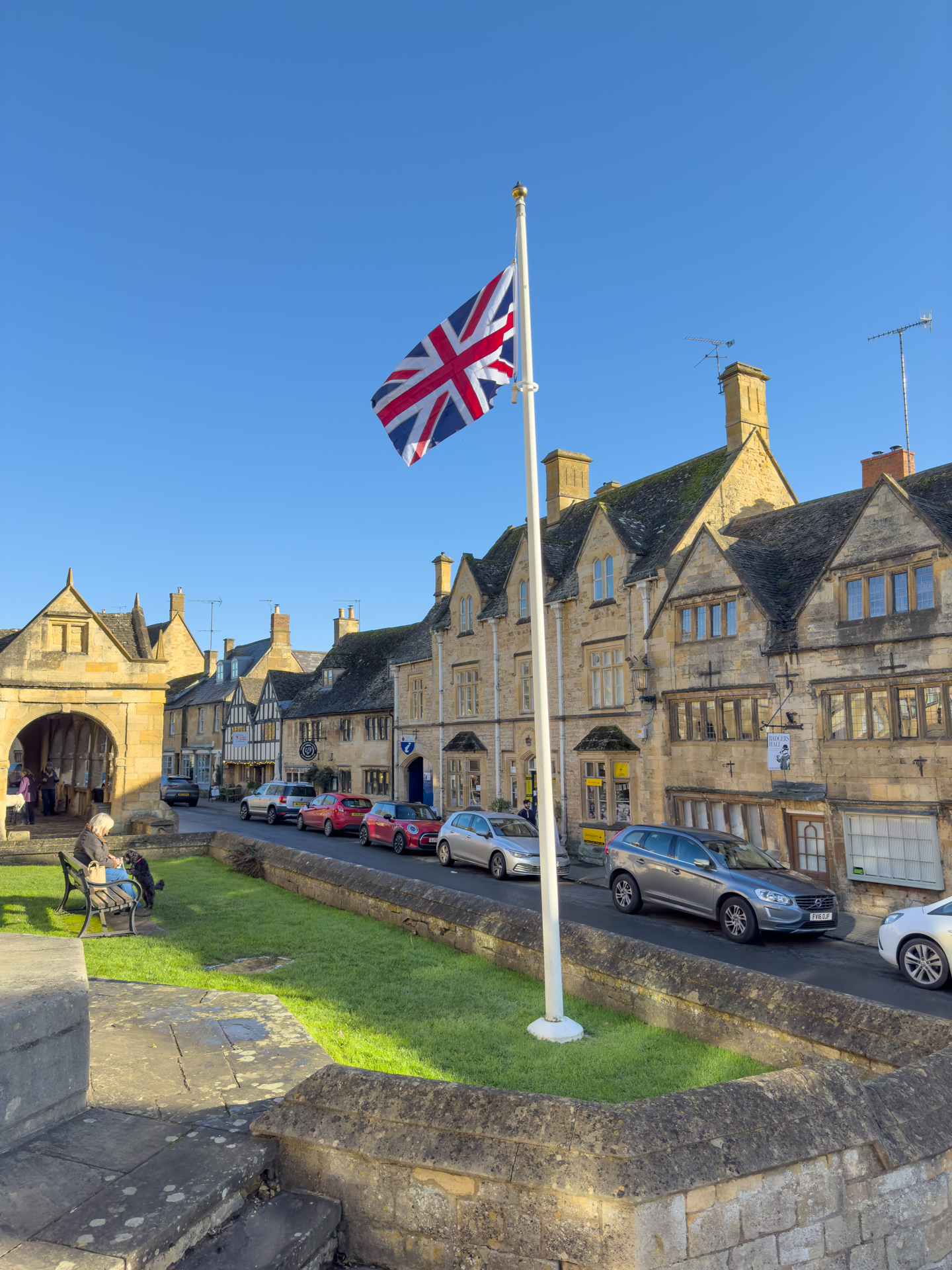
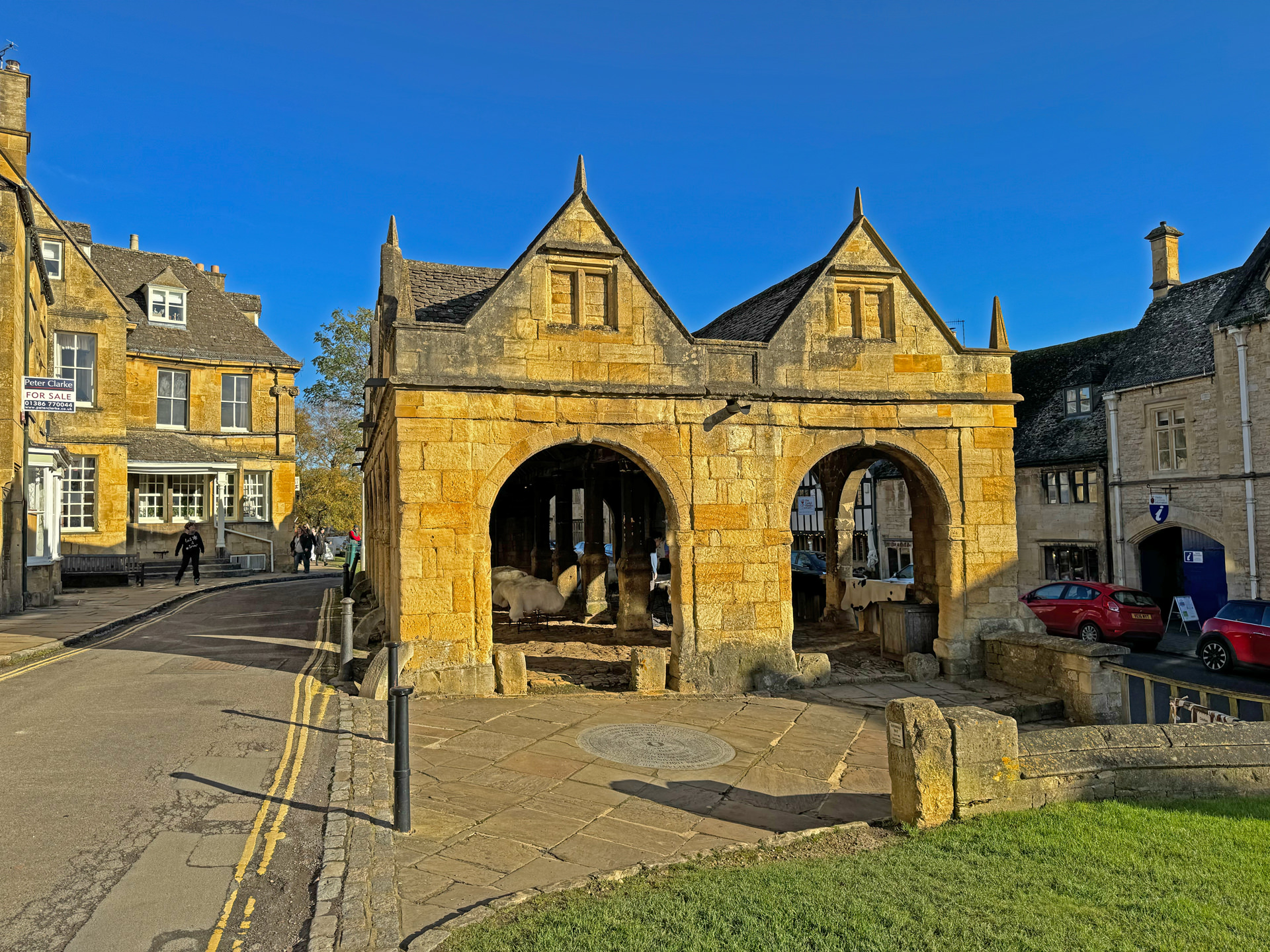
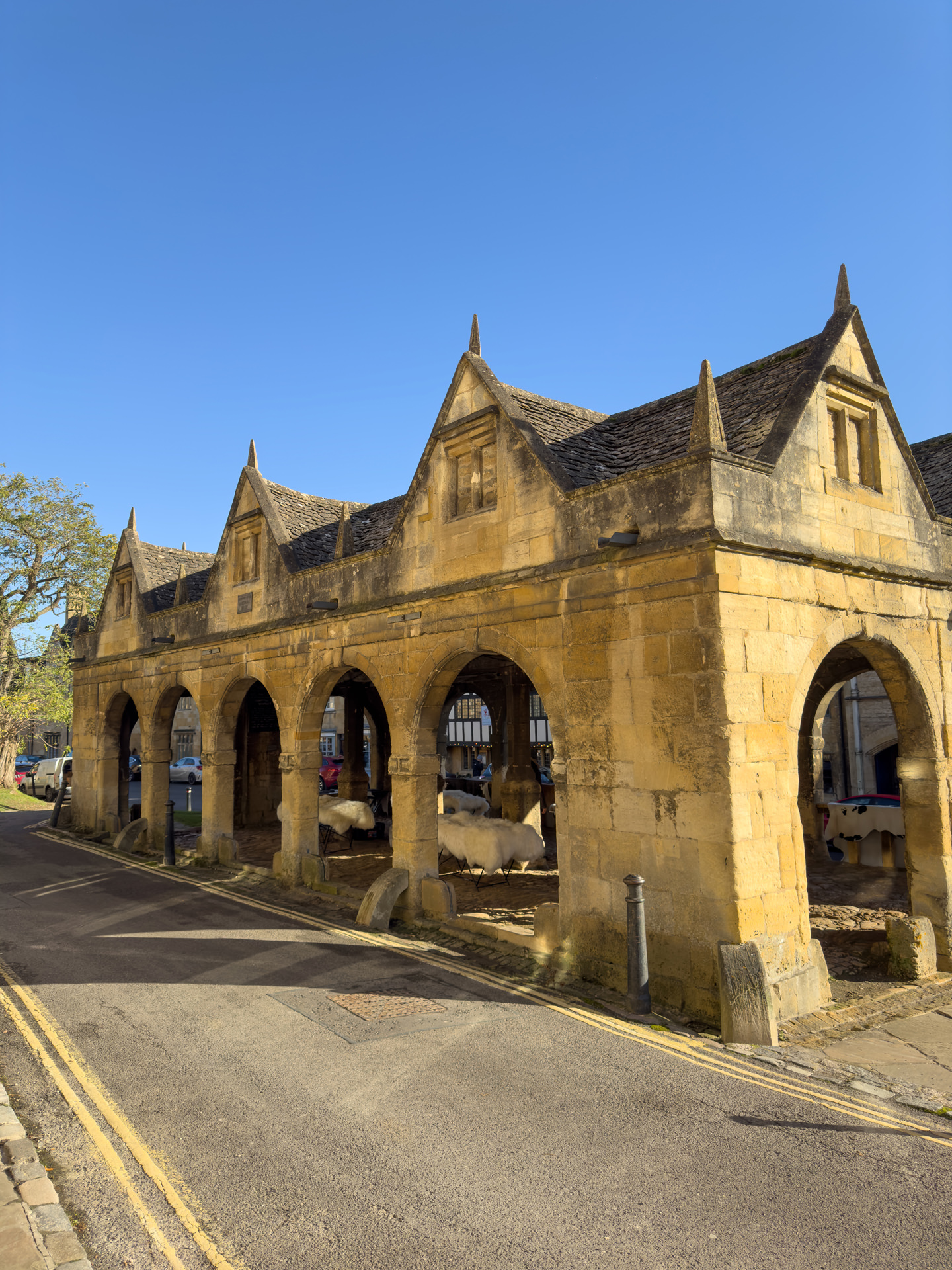
Chipping Campden’s Market Hall, on the High Street, was given to the town in 1627 by Sir Baptist Hicks so that traders selling butter, cheese, poultry and similar goods could do business under cover. Hicks was also responsible for the almshouses nearby and for the Jacobean Campden House, built in 1612 — though the manor survives only as fragmentary ruins today, having been deliberately burned by Royalist troops during the Civil War to keep it out of Parliamentarian hands. The entrance gateways and part of its frontage are still visible.
St James’ Church: One of the Great Wool Churches
St James’ Church is among the finest of the Cotswold “wool churches,” built in the fifteenth century on the site of a Norman church that had stood since the 1180s, funded largely by the wealth of the wool trade around it. Alongside William Grevel’s brass, the church holds a memorial to Sir Baptist Hicks, who paid for its pulpit, lectern and the re-roofing of the nave. It rewards a proper look rather than a quick pass-through: the scale of the building alone says a great deal about how wealthy this small town once was.
The Guild of Handicraft and Chipping Campden’s Arts and Crafts Revival
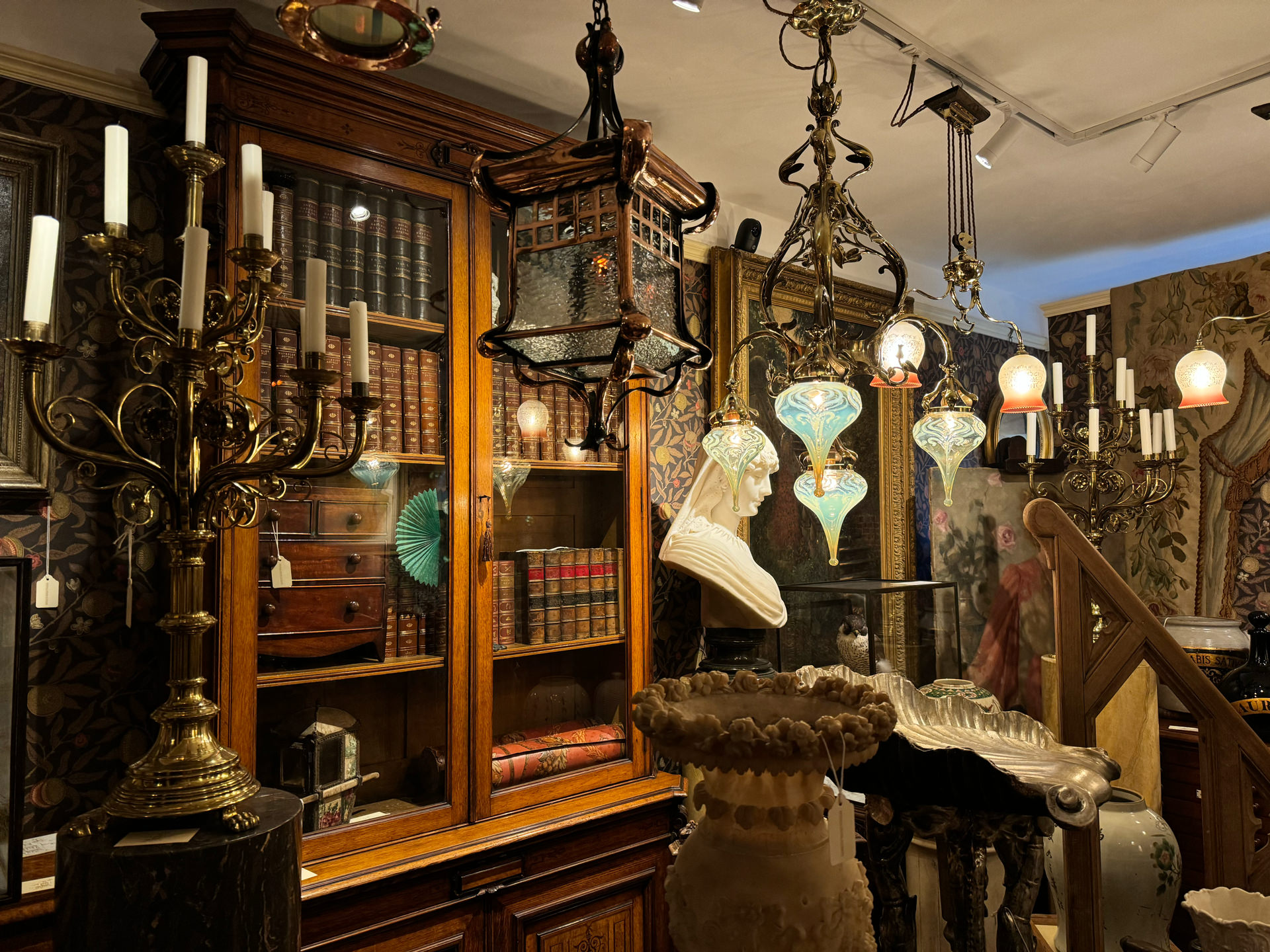
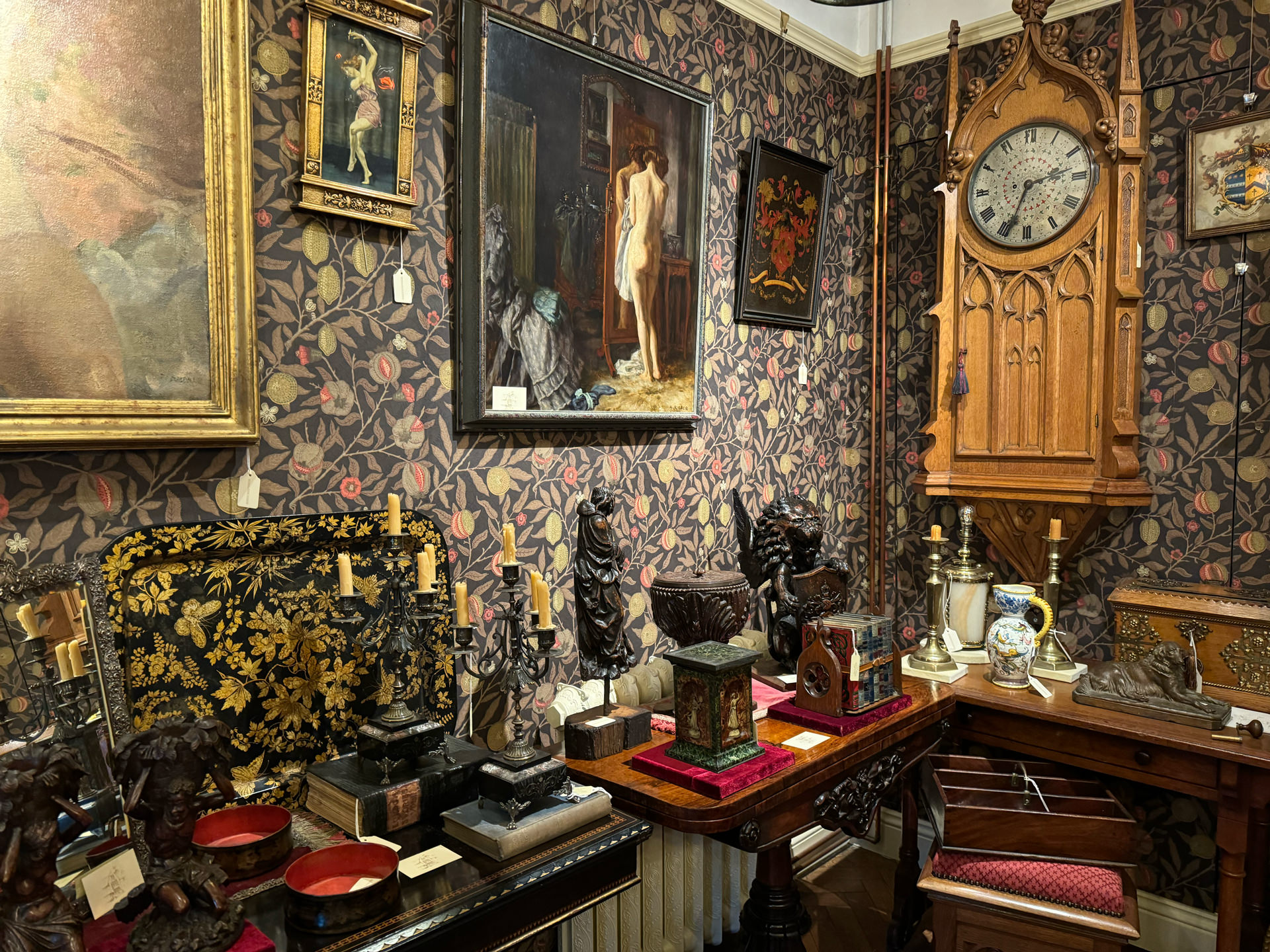
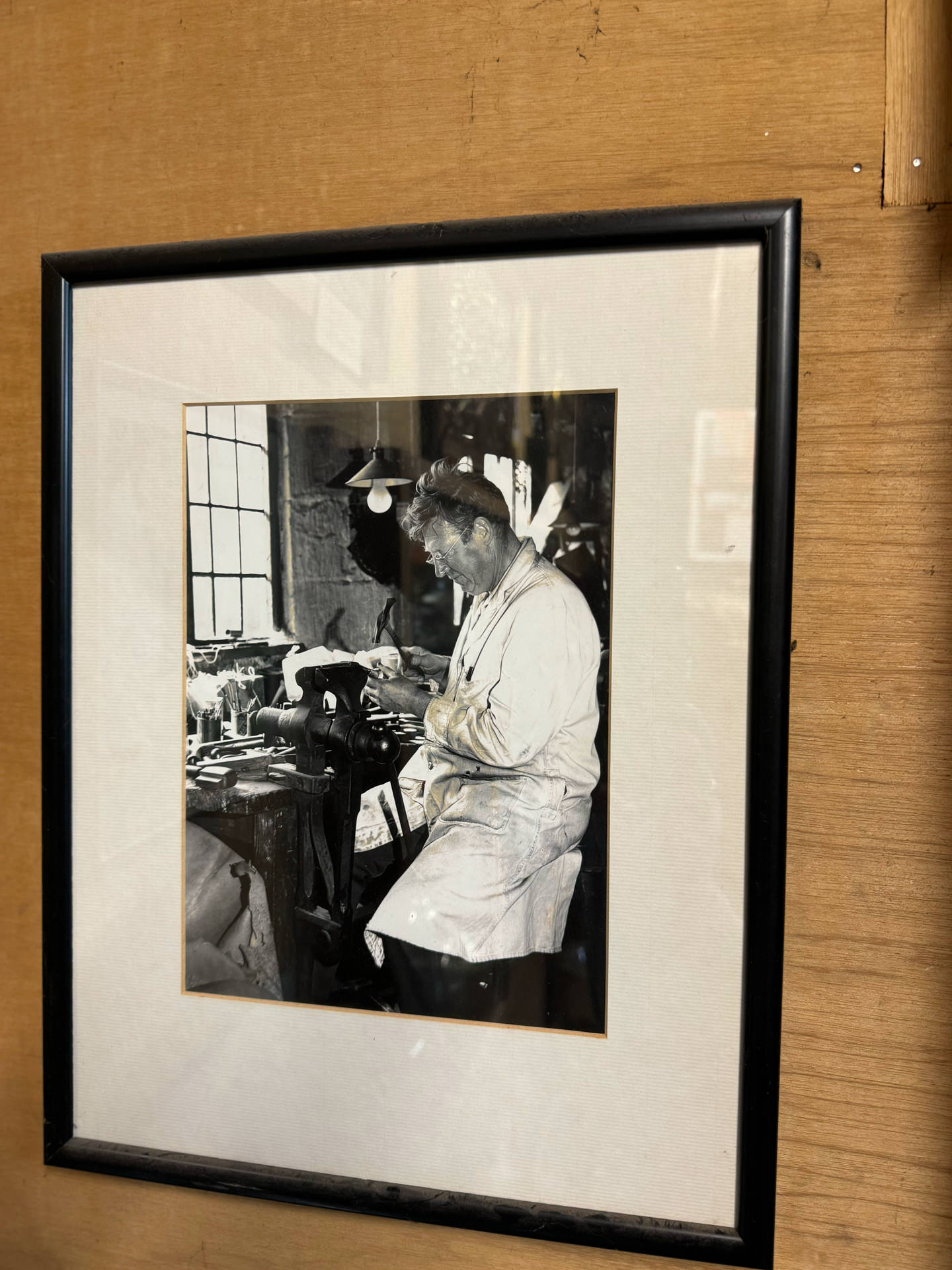
Chipping Campden’s second great chapter of history began in 1902, when Charles Robert Ashbee moved his Guild of Handicraft, along with around 150 workers and their families, from the East End of London to the town, setting up workshops in the old Silk Mill on Sheep Street. Ashbee’s aim was a genuinely utopian one: a community of craftsmen — working in metal, enamel, wrought iron and other trades — removed from the pressures and inequalities of industrial city life. The Guild struggled financially once removed from its London clientele, and the original venture was dissolved in 1908, though it continued in reorganised form until 1914. Its legacy endures directly: Hart Silversmiths still works from the same Sheep Street premises Ashbee established, a genuine, unbroken line back to the Guild itself.
Court Barn Museum, in the centre of town, tells this story properly, tracing Ashbee’s Guild and the wider Arts and Crafts and design movement it inspired in the Cotswolds through the twentieth century and beyond.
For more on planning a creative day around the area, creative and artisan experiences in the Cotswolds covers workshops and studio visits across the wider region, and our guide to Broadway Tower, Cotswolds viewpoints and architectural landmarks places Chipping Campden’s Market Hall within the region’s wider architectural landmarks.
Dover’s Hill and the Cotswold Olimpick Games
Half a mile outside town, on the escarpment above Chipping Campden, is Dover’s Hill — the site of one of England’s odder and more enjoyable traditions. The Cotswold Olimpick Games were founded here around 1612 by the lawyer Robert Dover, backed by Sir Baptist Hicks, as a deliberately competitive alternative to more sober local pursuits: horse racing, wrestling, backswords, pike drill and country dancing among them, with Dover himself presiding in clothes said to have been given by James I. The games ran, with interruptions, until being fully discontinued in 1852, before being revived in the twentieth century; they still take place most years today, run by Robert Dover’s Games Society, and remain one of the most distinctive local customs anywhere in the Cotswolds.
Hidcote and Kiftsgate: Two of England’s Great Gardens
A few miles from the town, in the hamlet of Hidcote Bartrim, is Hidcote Manor Garden — a genuinely influential Arts and Crafts garden created between 1907 and 1938 by Major Lawrence Johnston, built around a series of intimate “garden rooms” divided by hedging, and given to the National Trust in 1948. Less than a kilometre away sits its quieter neighbour, Kiftsgate Court Gardens, developed privately over ninety years by three generations of women beginning with Heather Muir, a friend and neighbour of Johnston’s. The two are usually visited together, and the contrast between Hidcote’s structured formality and Kiftsgate’s more personal, view-led garden is part of what makes the pairing so rewarding.
Our guide to the most beautiful gardens and arboretums in the Cotswolds covers both in more depth alongside the region’s other great gardens.
Planning Your Visit
Chipping Campden is best reached by car: around an hour from Oxford via the A44, and roughly two and a half hours from London via the M40 and A429/A44. The nearest railway station is Moreton-in-Marsh, about fifteen minutes away by car or a short bus ride, with direct trains to London Paddington. Parking in town is straightforward — free along the High Street, with a small paid car park in the Town Square, and additional overflow parking at Chipping Campden School on weekends and school holidays.
For more on the surrounding area, our guide to the best Cotswolds market towns and North Cotswolds vs South Cotswolds both help place Chipping Campden within the wider region.
Where to Stay Near Chipping Campden
Chipping Campden’s position in the North Cotswolds puts it within easy reach of The Temple Guiting Collection, a short drive away and well placed for the town, Hidcote and Kiftsgate, and the wider North Cotswolds. For a fuller sense of what is available nearby, our full portfolio of Cotswold properties can be filtered by location.
However you choose to base yourselves, our concierge team can help build a stay around Chipping Campden — from a private introduction at Hart Silversmiths to a table at one of the town’s restaurants or a morning at Hidcote and Kiftsgate.
In Short
Chipping Campden earns its reputation as the finest of the Cotswold wool towns on the strength of what is still standing: a High Street built almost entirely on wool wealth, a wool church to match, a genuine Arts and Crafts revival with a living legacy in Hart Silversmiths, and two of England’s most celebrated gardens on its doorstep. It suits an unhurried morning on the High Street as easily as a full day taking in Dover’s Hill, Hidcote and Kiftsgate.
If you are planning a stay nearby, enquire with our team and we will help you build a visit to Chipping Campden and the North Cotswolds around the right property for your group.
© Luxury Cotswold Rentals. Images © Luxury Cotswold Rentals, except where copyright remains with the original photographer or creator.