
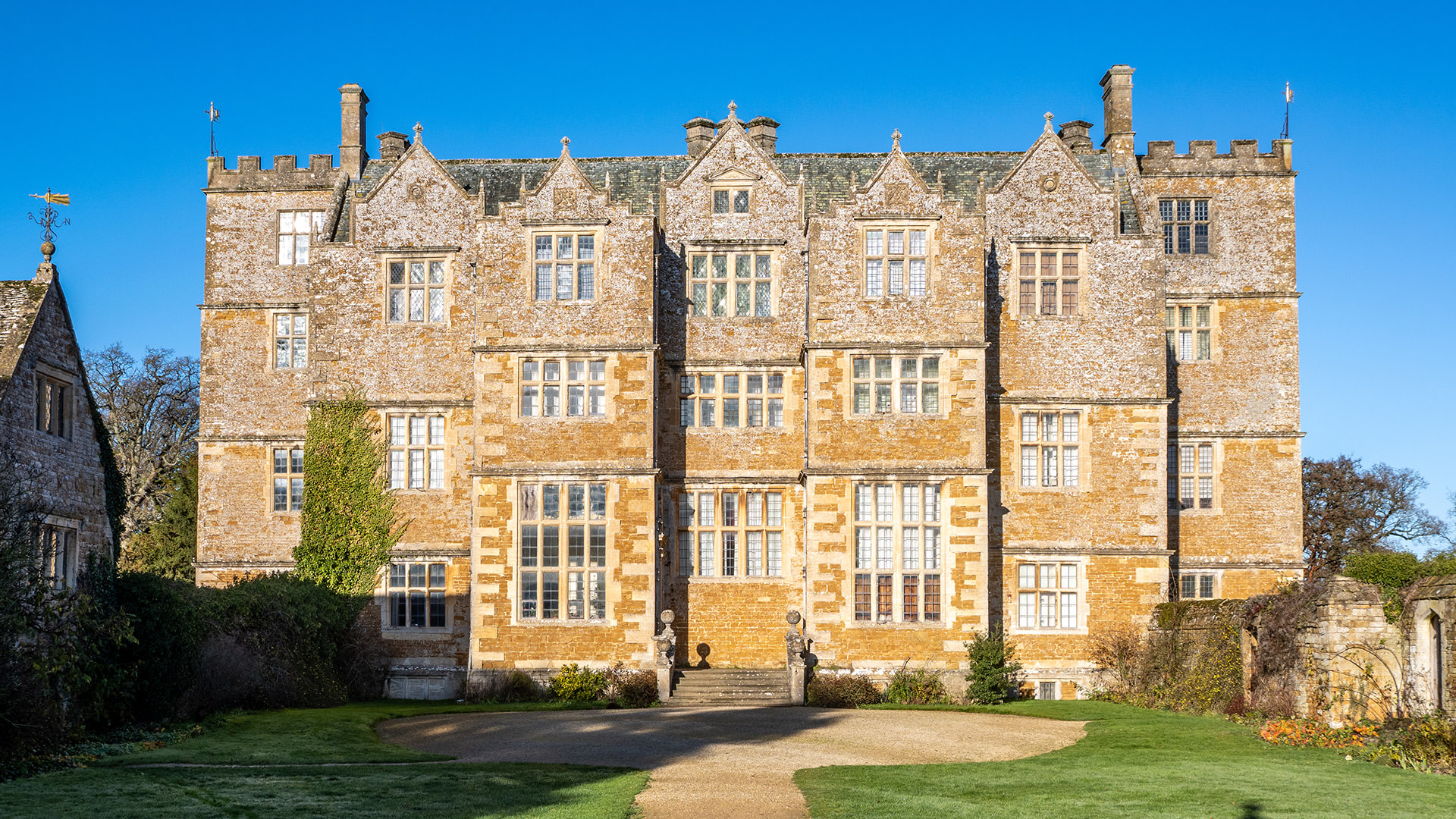
The Cotswolds is one of England’s great historic-house regions.
Its villages and market towns may be the first thing many visitors picture, but beyond the high streets and country lanes are manor houses, country estates, Arts and Crafts houses, private family homes, former hunting lodges, historic collections and houses shaped by architecture, design, literature and local craftsmanship.
These houses add depth to a Cotswolds stay. They reveal the region’s relationship with land, craft, wealth, gardens, collecting, rural life and English country-house culture. Some are grand and formal. Others are intimate, eccentric or quietly preserved. Some sit close to famous villages. Others are best discovered slowly from a private countryside base.
For guests staying in a luxury Cotswolds cottage, manor house, country house or estate, historic houses can become some of the most rewarding days out. A house visit might be paired with a garden, a market town, a country pub lunch, a walk or a private dinner back at the property. For longer stays, historic houses can be spread gently across the trip, giving each visit room to breathe.
This guide explores the best historic houses to visit in and around the Cotswolds, helping you choose the places that best suit your location, interests, group and pace.
Explore our collection of luxury cottages and country houses in the Cotswolds as you consider the right base for a heritage-led stay.
Historic Houses in the Cotswolds: What Makes Them Special?
The Cotswolds has a distinctive historic-house character.
This is not a region dominated only by vast palaces or dramatic castles. Its country houses often feel closely connected to the landscape around them: built from local stone, shaped by rural estates, surrounded by gardens, attached to villages, or positioned within valleys, parkland and working countryside.
Many Cotswolds historic houses are appealing because they feel personal rather than overwhelming. They may tell the story of a collector, designer, family, architect or estate. They may reveal a particular period of English life: Jacobean domestic architecture, Arts and Crafts ideals, Tudor hunting, Georgian country-house living or Victorian collecting.
For guests booking private houses in the Cotswolds, these visits often resonate because they reflect the same qualities people come to the region for: architecture, gardens, privacy, craftsmanship, history, countryside and atmosphere.
The best historic houses to visit are not simply the biggest or most famous. They are the ones that fit naturally into the rhythm of your stay.
The Best Historic Houses at a Glance
For a beautifully preserved Jacobean house, visit Chastleton House.
For character, collections and village atmosphere, visit Snowshill Manor and Garden.
For Arts and Crafts, design and literary heritage, visit Kelmscott Manor.
For one of the Cotswolds’ most unusual architectural experiences, visit Sezincote.
For Arts and Crafts craftsmanship on a larger country-house scale, visit Rodmarton Manor.
For a Tudor hunting lodge and estate setting, visit Newark Park.
For a unique 17th-century grandstand and country estate, visit Lodge Park and Sherborne Estate.
For a southern Cotswolds or Bath-edge day, consider Dyrham Park.
For a Jacobean manor house with one of the region’s most memorable garden features, consider Stanway House and Fountain when open.
The best choice depends on where you are staying. A North Cotswolds base works especially well for Chastleton, Snowshill, Sezincote, Rodmarton, Lodge Park and Stanway. A central or eastern base can suit Kelmscott, Chastleton and Newark Park. A South Cotswolds base may make Rodmarton, Newark Park and Dyrham more practical.
Chastleton House: A Jacobean Time Capsule
Chastleton House is one of the most atmospheric historic houses in the Cotswolds.
Set in Oxfordshire, near Moreton-in-Marsh, Chipping Norton and the North Cotswolds, it is a Jacobean country house known for its sense of preservation. It does not feel overly polished or over-restored. Instead, it offers the feeling of a house where history has been allowed to remain visible.
That is what makes it so appealing.
Chastleton is especially rewarding for guests who enjoy architecture, interiors, quiet rooms, old stone, gardens and houses that feel layered rather than staged. It is not necessarily the best choice for guests looking for a large commercial attraction or a full activity-led family day. Its strength is atmosphere.
For private-house guests, Chastleton works beautifully as part of a slower North or Oxfordshire Cotswolds day. It can be paired with Chipping Norton, Moreton-in-Marsh, the Rollright Stones, Great Tew, Kingham, the Wychwoods or a country pub lunch, depending on your base.
Best for:
- Jacobean architecture
- Historic interiors
- Couples
- Heritage lovers
- Quiet cultural days
- North and Oxfordshire Cotswolds stays
- Guests who prefer atmosphere over spectacle
Chastleton is ideal when you want a historic house that feels intimate, authentic and deeply connected to the past.
Snowshill Manor and Garden: Collections, Character and Village Beauty
Snowshill Manor and Garden is one of the most distinctive historic-house visits in the North Cotswolds.
Set in the village of Snowshill, not far from Broadway and Chipping Campden, it is known for the extraordinary collections of Charles Paget Wade, who filled the house with objects gathered over a lifetime. The result is a visit that feels highly personal, eccentric and memorable.
Snowshill is not a typical grand country house. Its appeal lies in character. Rooms are filled with collections, stories and details, while the garden and village setting add to the atmosphere.
For guests staying near Broadway, Chipping Campden, Moreton-in-Marsh, Stow-on-the-Wold or the North Cotswolds, Snowshill can be a very rewarding half-day or gentle day out. It pairs naturally with Broadway Tower, Broadway village, Stanton, Dover’s Hill or a scenic drive through nearby lanes.
Best for:
- Characterful collections
- Historic interiors
- Garden interest
- Couples and older families
- North Cotswolds stays
- Guests looking for something memorable and personal
- Combining with Broadway or Chipping Campden
Snowshill is especially useful for guests who have already visited the most famous villages and want a house with real individuality.
Kelmscott Manor: William Morris, Arts and Crafts and Riverside Heritage
Kelmscott Manor offers a quieter, more artistic kind of Cotswolds heritage.
Set in the village of Kelmscott near the River Thames, the manor is closely associated with William Morris, one of the central figures of the Arts and Crafts movement. For guests interested in design, literature, craftsmanship, interiors and English rural influence, it is one of the most meaningful historic houses in the region.
Kelmscott feels different from the grander houses and castles. Its atmosphere is more intimate and reflective. It rewards guests who want to slow down, look closely and understand how a house, landscape and creative life can shape one another.
It works particularly well for guests staying around Lechlade-on-Thames, Burford, Fairford, the Coln Valley, Oxfordshire Cotswolds or eastern side of the region. It can be paired with a riverside walk, a visit to Lechlade, lunch nearby or a quieter day away from the busiest Cotswolds villages.
Best for:
- Arts and Crafts heritage
- William Morris interest
- Literature and design
- Couples
- Quiet cultural days
- Eastern Cotswolds stays
- Longer stays with time for slower heritage visits
Kelmscott is best approached gently. It is not a place to rush through between several other stops. Give it time, then allow the riverside and village setting to complete the experience.
Sezincote: The Cotswolds’ Most Unexpected Historic House
Sezincote is one of the most unusual historic houses in the Cotswolds.
Near Moreton-in-Marsh, it stands apart from the region’s familiar stone cottages and manor houses because of its distinctive Indian-inspired architecture. Its dome, garden setting and wider estate give it an atmosphere unlike almost anywhere else in the area.
This is what makes Sezincote so valuable for a heritage-led stay. It shows that the Cotswolds is not only about one architectural language. Alongside wool churches, manor houses, farmhouses and market halls, there are also surprising places shaped by global influences, personal taste and historic imagination.
Sezincote works well for couples, architecture lovers, garden enthusiasts, returning visitors and guests who want a landmark that feels genuinely different. It can be paired with Moreton-in-Marsh, Batsford Arboretum, Bourton House Garden, Chipping Campden, Broadway or a private lunch or dinner back at the house.
Best for:
- Unusual architecture
- Garden and estate settings
- Couples
- Design-minded guests
- Returning visitors
- North Cotswolds stays
- Guests looking beyond classic Cotswold stone
Because access and opening times can be specific, Sezincote should always be checked before building a day around it.
Rodmarton Manor: Arts and Crafts Craftsmanship
Rodmarton Manor is one of the most important Arts and Crafts houses in and around the Cotswolds.
Located in Gloucestershire, between Cirencester and Tetbury, it is particularly appealing for guests interested in architecture, craftsmanship, furniture, gardens and the relationship between house and maker. The house is known for its strong Arts and Crafts identity and its use of traditional materials and local craftsmanship.
Rodmarton works beautifully from a South or Central Cotswolds base. It can be paired with Tetbury, Cirencester, Westonbirt, Minchinhampton, Nailsworth or a South Cotswolds garden day.
This is not a house for guests seeking spectacle or a highly commercial attraction. It is best for those who appreciate design, detail and the quieter intelligence of a carefully made place.
Best for:
- Arts and Crafts architecture
- Craftsmanship and interiors
- Garden interest
- South and Central Cotswolds stays
- Couples and adults
- Design-conscious guests
- Longer stays with time for specialist visits
Rodmarton is especially relevant to guests staying in beautiful private houses because it speaks to many of the same values: proportion, material, craft, landscape and domestic beauty.
Newark Park: Tudor Hunting Lodge to Historic Home
Newark Park, cared for by the National Trust, sits on the southern side of the Cotswolds and offers a different kind of historic-house visit.
Its story begins with Tudor hunting-lodge origins, later evolving into a historic home with gardens, views and estate atmosphere. It is especially useful for guests staying in the South Cotswolds, around Tetbury, Wotton-under-Edge, Nailsworth, Stroud, Minchinhampton, Painswick or the wider Gloucestershire countryside.
Newark Park is rewarding because it combines house, landscape and outdoor space. It may suit guests who want a gentler visit rather than a formal, heavily structured day. For families, the wider estate and grounds can add variety. For couples, the views and setting make it atmospheric.
Best for:
- South Cotswolds stays
- Tudor and later country-house history
- Gardens and views
- Families
- Couples
- Guests combining house visits with countryside
- Longer stays in Gloucestershire
For a private-house stay, Newark Park can work well as part of a slower southern itinerary rather than a rushed cross-region journey.
Lodge Park and Sherborne Estate: A Historic Grandstand in the Countryside
Lodge Park is one of the more unusual historic buildings in the Cotswolds.
Rather than a conventional manor house, it is a 17th-century grandstand set within the Sherborne Estate. This gives it a distinctive place among Cotswolds landmarks. It is part architecture, part sporting history, part countryside estate.
For guests staying near Northleach, Burford, Bibury, the Coln Valley, Cirencester or the central Cotswolds, Lodge Park can make a thoughtful and quieter heritage stop. It is particularly good for those who enjoy unusual historic buildings, estate walks and places that are less obvious than the headline attractions.
It may not be the first choice for every visitor, but that is part of its appeal. For longer stays, it adds depth and variety.
Best for:
- Unusual historic buildings
- Estate landscapes
- Central Cotswolds stays
- Walkers
- Returning visitors
- Families who enjoy open space
- Guests looking beyond the obvious landmarks
Lodge Park is a good reminder that historic houses in the Cotswolds are not all the same. Some are grand homes. Others reveal very specific pieces of country life and social history.
Dyrham Park: A Grand House on the Edge of the Cotswolds
Dyrham Park sits beyond the central Cotswolds, near Bath and South Gloucestershire, but it can be a useful historic-house day for guests staying in the southern reaches of the region or combining the Cotswolds with Bath.
It offers a larger house-and-parkland experience than some of the smaller Cotswolds properties. Its location means it should be planned carefully. It is not usually the best choice from a North Cotswolds base, but it can work well from the South Cotswolds, Bath, Tetbury, Chippenham, Castle Combe or surrounding countryside.
Dyrham is particularly useful for guests who want a full historic-house day with parkland, walking, interiors and a more substantial estate feel.
Best for:
- South Cotswolds and Bath-edge stays
- Parkland
- Larger historic-house days
- Families
- Multigenerational groups
- Guests combining the Cotswolds with Bath
- Longer stays with time for wider heritage visits
For accuracy, it is best described as Cotswolds-edge or near the Cotswolds, rather than as a core Cotswolds landmark.
Stanway House and Fountain: Jacobean Manor and Garden Drama
Stanway House sits in the North Cotswolds and is one of the region’s most distinctive Jacobean manor houses.
It is particularly known for its setting and fountain, which gives the visit a memorable garden element as well as a historic-house appeal. This makes it a good choice for guests staying near Broadway, Chipping Campden, Winchcombe, Stanton, Cheltenham or the northern Cotswolds.
Stanway is best suited to visitors who appreciate privately owned historic houses, architectural character and a less standardised visitor experience. It may not have the same year-round accessibility as some larger attractions, so opening times and access should be checked carefully before planning around it.
Best for:
- Jacobean manor-house character
- North Cotswolds stays
- Garden interest
- Couples and adults
- Returning visitors
- Guests looking for a more distinctive heritage visit
- Combining with Broadway, Stanton or Winchcombe
Stanway can be especially rewarding as part of a slower North Cotswolds day, rather than as a rushed stop.
Buscot Park: A Refined Eastern Cotswolds Option
Buscot Park, near Faringdon in Oxfordshire, sits towards the eastern edge of the Cotswolds area and can be relevant for guests staying near Lechlade, Kelmscott, Burford, Fairford, the Thames-side Cotswolds or the Oxfordshire border.
It is a refined historic-house and estate visit, particularly suited to guests who enjoy art, interiors, gardens and a quieter cultural day. It may not be central to a first-time North Cotswolds itinerary, but for the right base it can make excellent sense.
Best for:
- Eastern Cotswolds stays
- Art and interiors
- Garden interest
- Couples and adults
- Longer stays
- Guests staying near Lechlade, Kelmscott, Burford or Fairford
As with any historic house, check current opening arrangements before planning the day.
Which Historic Houses Are Best for First-Time Visitors?
For first-time visitors, the best choices are usually the houses that give a clear sense of Cotswolds character without requiring too much travel.
Strong first-time options include:
- Chastleton House
- Snowshill Manor and Garden
- Kelmscott Manor
- Sezincote
- Rodmarton Manor
- Newark Park, if staying in the South Cotswolds
- Lodge Park, if staying centrally and interested in something unusual
If you are only in the Cotswolds for a weekend or three nights, choose one historic house close to your property. Do not try to see several. A well-paced day with one house, one nearby village or market town, lunch and time back at the property will feel much more refined.
For a first visit, Snowshill and Chastleton are particularly strong in the North Cotswolds. Kelmscott is excellent for Arts and Crafts interest and a quieter eastern route. Rodmarton is a strong choice for design-focused guests in the South or Central Cotswolds.
Which Historic Houses Are Best for Couples?
Couples often enjoy historic houses that offer atmosphere, beauty and a slower pace.
Good choices include:
- Chastleton House for quiet historical atmosphere
- Snowshill Manor for character and collections
- Kelmscott Manor for romance, design and literary heritage
- Sezincote for architectural surprise
- Rodmarton Manor for Arts and Crafts detail
- Stanway House for Jacobean character when open
A couple’s historic-house day should not be too full. The best rhythm is usually a late morning visit, lunch nearby, perhaps a garden or village walk, and a quiet evening back at the property.
For romantic Cotswolds stays, the house visit should add atmosphere, not structure the whole trip too tightly.
Which Historic Houses Are Best for Families?
Families should choose historic houses with enough variety to keep the day enjoyable.
Some children will enjoy collections, stories, gardens, trails, open space or estate walks. Others may tire quickly of formal interiors. The key is choosing the right property and pacing the visit well.
Good family options include:
- Snowshill Manor and Garden, for its unusual collections
- Newark Park, for house, garden and outdoor space
- Lodge Park and Sherborne Estate, for countryside and a more unusual building
- Dyrham Park, for a larger house and parkland day from the southern side
- Chastleton House for older children with an interest in history
- Kelmscott Manor for design-minded families or quieter cultural days
For families, pair the house visit with outdoor space, lunch and time back at your private property. Children often enjoy returning to the garden, pool, games room or sitting room as much as the outing itself.
Which Historic Houses Are Best for International Guests?
International guests often come to the Cotswolds looking for a particular sense of English country-house life: stone buildings, gardens, interiors, villages, craftsmanship, countryside and history.
Historic houses can help deliver that experience beautifully.
Strong choices include:
- Chastleton House for preserved Jacobean atmosphere
- Snowshill Manor for collections and Cotswolds village character
- Kelmscott Manor for William Morris and Arts and Crafts heritage
- Sezincote for something unexpected and memorable
- Rodmarton Manor for craftsmanship and English design
- Dyrham Park for a larger house-and-parkland experience near the southern edge
For international visitors, especially those travelling from the United States, it is important not to overfill the itinerary. Historic houses are best enjoyed slowly, with enough context, good transport planning and time at the private house before or after the visit.
A driver or private transfer may be useful if guests are not comfortable with rural roads or if the day includes lunch, gardens or several stops.
Which Historic Houses Are Best for Longer Stays?
Longer stays allow guests to explore historic houses in a more thoughtful way.
For a weekend, one house may be enough. For a week, you might include one or two, balanced with villages, gardens, walks and time at the property. For two weeks or longer, historic houses can become part of the rhythm of the stay: a house visit one day, a garden another, a quiet day at the property, then a market town or countryside outing later in the week.
For longer stays, consider mixing famous and quieter houses:
- Chastleton House
- Snowshill Manor
- Kelmscott Manor
- Sezincote
- Rodmarton Manor
- Newark Park
- Lodge Park
- Dyrham Park
- Stanway House
- Buscot Park
The advantage of staying longer is that you can choose the right day, check opening times, avoid rushing and pair each house with nearby food, villages or countryside.
For extended stays of a month or more, historic-house visits can become part of a richer way of living in the Cotswolds rather than simply tourist activities.
How to Plan a Historic-House Day
A good historic-house day should feel carefully paced.
Choose one main house and build the day around it. Add lunch, a nearby village or a garden, but avoid trying to combine too many separate attractions.
Possible pairings include:
- Chastleton House with Chipping Norton, Moreton-in-Marsh or the Rollright Stones
- Snowshill Manor with Broadway, Broadway Tower or Chipping Campden
- Kelmscott Manor with Lechlade-on-Thames or a riverside walk
- Sezincote with Moreton-in-Marsh, Batsford or Bourton House Garden
- Rodmarton Manor with Tetbury, Cirencester or Westonbirt
- Newark Park with Wotton-under-Edge, Tetbury or the South Cotswolds valleys
- Lodge Park with Northleach, Burford or the Coln Valley
- Dyrham Park with Bath or a South Cotswolds route
- Stanway House with Stanton, Broadway or Winchcombe
For a short stay, keep the day simple. For families, allow time outdoors. For couples, include a long lunch or quiet return to the house. For larger groups, consider transport, parking and the different interests within the party.
The best heritage days are not the most crowded. They are the ones that make sense from your base.
Choosing the Right Base for Historic Houses
Your property location will strongly influence which historic houses are easiest to visit.
North Cotswolds
Good for Snowshill Manor, Chastleton House, Sezincote, Stanway House, Lodge Park, Broadway, Chipping Campden, Moreton-in-Marsh and the surrounding villages.
This is a strong base for first-time visitors and guests who want several historic houses within a manageable area.
Central Cotswolds
Good for Lodge Park, Chastleton, Cirencester, the Coln Valley, Burford, Bibury, Chedworth Roman Villa and wider heritage days.
This can work well for families and guests staying a week or longer.
South Cotswolds
Good for Rodmarton Manor, Newark Park, Tetbury, Westonbirt, Painswick, Minchinhampton, Dyrham Park and southern Gloucestershire heritage.
This is useful for guests who want gardens, design, quieter landscapes and less obvious historic-house routes.
Eastern Cotswolds and Oxfordshire Edge
Good for Kelmscott Manor, Buscot Park, Chastleton House, Blenheim Palace, Woodstock, the Wychwoods and Oxfordshire villages.
This can work especially well for international guests combining the Cotswolds with Oxford, London or Heathrow.
For short stays, choose a house close to your base. For longer stays, you can explore more widely.
Browse our luxury Cotswolds properties to find a base that suits the heritage, landscape and pace you want.
Historic Houses and Private Cotswolds Stays
Historic houses feel especially relevant when you are staying in a private Cotswolds property.
There is a natural connection between visiting country houses and living, even briefly, in one. Guests begin to notice materials, gardens, views, kitchens, staircases, fireplaces, dining rooms, libraries, terraces and the relationship between a house and its surroundings.
A visit to Chastleton or Snowshill might change the way you look at stone, rooms and collections. Kelmscott might deepen an appreciation for craft and design. Rodmarton might make you more aware of furniture, joinery and handmade detail. Newark Park or Lodge Park might reveal the connection between architecture and estate life.
This is why historic houses are not just attractions. They can enrich the whole stay.
After visiting a house, returning to your own private Cotswolds property for dinner, drinks, a fire or a quiet evening can feel especially satisfying.
Practical Tips Before Visiting Historic Houses
Historic houses often have more specific opening arrangements than larger attractions.
Before planning a visit, check:
- Opening days and seasonal hours
- Whether advance booking is needed
- House access versus garden access
- Parking arrangements
- Accessibility and stairs
- Suitability for children
- Photography rules
- Café or lunch options
- Dog policies
- Whether the house, gardens or estate walks are open
- Travel time from your property
- Whether a private driver would make the day easier
This is particularly important for privately owned houses and smaller heritage properties, where opening days may be limited.
For larger groups, book key meals or transport in advance. For international guests, allow enough time for rural driving and avoid packing too much into one day. For families, choose houses with gardens, open space or nearby activities if children may need variety.
Our Cotswolds concierge service can help with tailored itinerary planning, transport, dining guidance, private chefs and local recommendations.
Common Mistakes to Avoid
The first mistake is choosing a historic house only because it is famous. The right house should suit your base, interests and pace.
The second mistake is assuming every house is open every day. Many historic houses and gardens have seasonal or limited opening times.
The third mistake is planning too many houses in one trip. Even for heritage lovers, one strong visit at a time is usually more enjoyable.
The fourth mistake is ignoring the surrounding area. A historic house is often best paired with a nearby village, market town, walk or lunch.
The fifth mistake is not considering the group. Couples, families, international guests, older guests and design enthusiasts may all prefer different kinds of visits.
The sixth mistake is forgetting the property you have booked. If you are staying in a beautiful private Cotswolds house, leave time to enjoy it.
Our View: Historic Houses Should Be Experienced Slowly
The best historic houses in the Cotswolds are not simply places to tick off.
They reward attention. Look at the way the house sits in the landscape, the stone, the gardens, the rooms, the collections, the views and the surrounding village or estate. Think about the lives that shaped the place and the way each house reflects a different part of Cotswolds history.
For a short stay, choose one house close to your base. For a week, include one or two. For two weeks or longer, mix well-known properties with quieter or more specialist houses.
The Cotswolds is at its best when history, countryside and private living come together. Historic-house visits can be a beautiful way to understand that connection.
Planning a Historic-House Stay with Luxury Cotswold Rentals
Luxury Cotswold Rentals brings together exceptional private homes, detailed local knowledge and a highly personal concierge service to help guests experience the Cotswolds in a way that feels tailored rather than generic.
A historic-house-led stay might include Chastleton House, Snowshill Manor, Kelmscott Manor, Sezincote, Rodmarton Manor, Newark Park, Lodge Park, Stanway House or other heritage days, depending on your property location and interests.
For couples, that may mean atmospheric houses, gardens and long lunches. For families, it may mean historic places with outdoor space and manageable travel times. For international guests, it may mean a thoughtful introduction to English country-house life. For extended stays, it may mean exploring the region’s houses gradually, with time to return to a private base that feels like home.
Explore our luxury Cotswolds properties or speak to the Luxury Cotswold Rentals team about choosing a base shaped around the historic houses, landscapes and experiences that suit your stay.
Conclusion
The best historic houses in and around the Cotswolds reveal the region’s character in a way few other places can.
Chastleton House offers Jacobean atmosphere and quiet preservation. Snowshill Manor brings collections, character and village beauty. Kelmscott Manor connects the Cotswolds with William Morris and the Arts and Crafts movement. Sezincote offers one of the region’s most unexpected architectural experiences. Rodmarton Manor celebrates craftsmanship and design. Newark Park, Lodge Park, Dyrham Park, Stanway House and Buscot Park add further layers of estate life, architecture, gardens and country-house history.
The right historic house to visit depends on where you are staying, who you are travelling with and how you want the day to feel.
For short breaks, choose one nearby house and enjoy it properly. For family holidays, balance interiors with gardens and outdoor space. For couples, prioritise atmosphere. For international guests, choose places that give a strong sense of English country-house life. For extended stays, explore slowly and allow each visit to become part of a wider countryside rhythm.
Explore our collection of luxury cottages, manor houses and private country homes across the Cotswolds and begin planning a stay shaped by historic houses, craftsmanship, gardens, villages and the timeless character of the Cotswolds.