
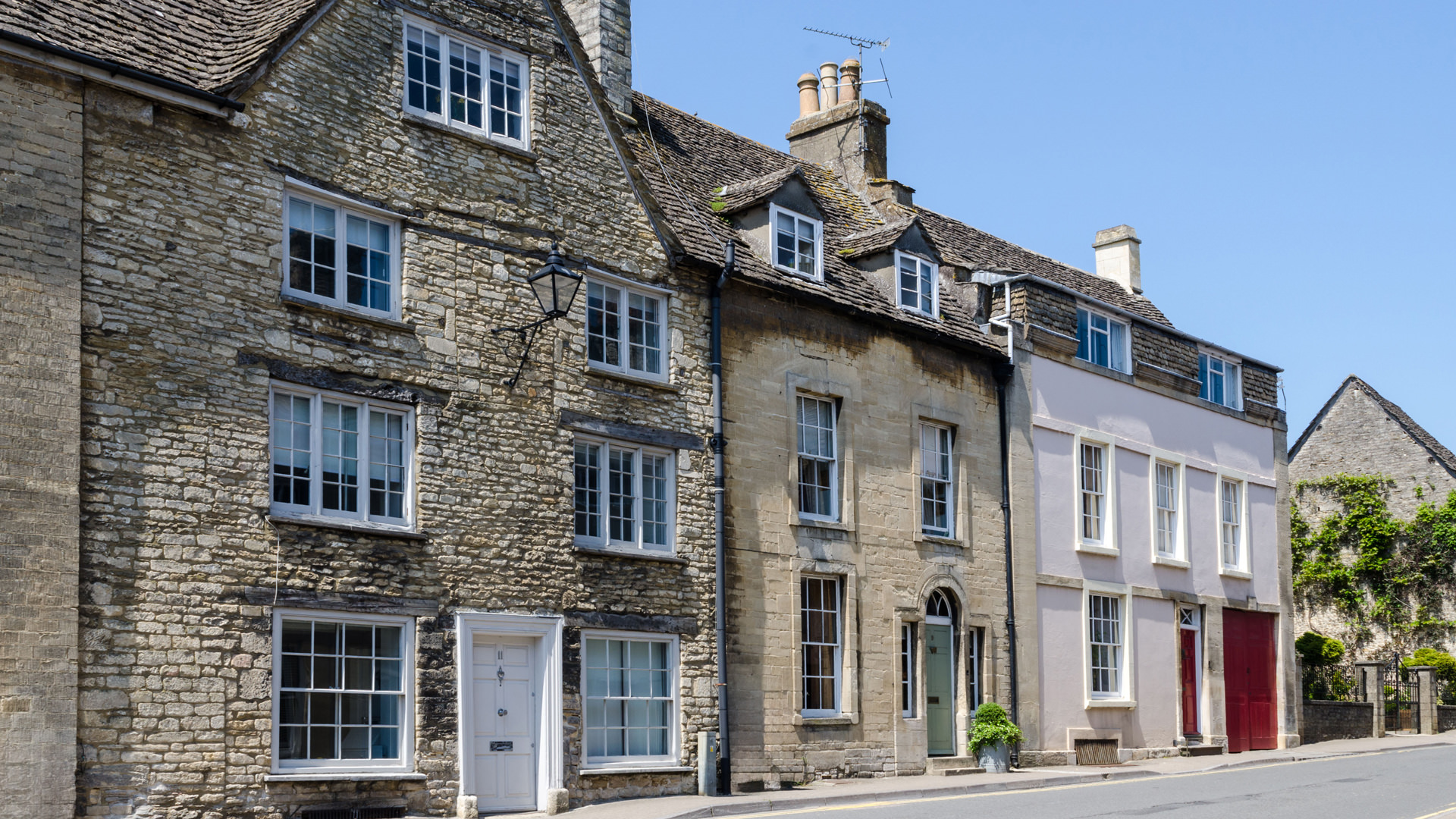
Tetbury pairs a working wool town’s Georgian streets with the private world of Highgrove and one of the densest antiques trades in the Cotswolds.
Tetbury is a market town in the South Cotswolds, in Gloucestershire, built on the wool trade and still shaped by it: a pillared seventeenth-century Market House, a Georgian Gothic church rebuilt by wool money, and a concentration of antiques dealers that has made it one of the best-known trading towns in the region. It is also, more quietly, a royal one — King Charles III’s private Highgrove estate sits just outside the town, and its influence is easy to find on the high street without ever needing to visit the gardens themselves. This guide sets out what makes Tetbury worth building a visit around, from its market streets and antiques trade to Highgrove, Westonbirt and the countryside beyond.
Tetbury at a Glance
| Location | South Cotswolds, Gloucestershire, on the A433 between Cirencester and Bath, close to the Wiltshire border |
| Known as | A royal address and one of the antiques capitals of the Cotswolds |
| Distance from Cirencester | Around 11 miles; about 20 minutes by car |
| Distance from Bath | Around 20 miles; about 40 minutes by car |
| Distance from London | Around 100 miles; roughly 2 hours by car |
| Nearest railway station | Kemble, about 7 miles away, with direct services to London Paddington (around 1 hour 10 minutes) |
| Parking | The Chipping car park in the town centre; free parking at the Old Railyard car park, a short walk from Long Street |
| Best known for | Its Market House and antiques trade, Highgrove, the Tetbury Woolsack Races and its Georgian Gothic parish church |
Exploring Tetbury’s Long Street and Market Place
Tetbury’s High Street and Long Street run together through the centre of a town that has changed remarkably little since it was rebuilt in stone at the height of the wool trade in the sixteenth and seventeenth centuries. At its heart stands the Market House, built in 1655 on three rows of stone pillars for the sale of wool and yarn; it later served as the town hall, a fire station and even a lock-up before an 1817 restoration removed an upper storey added in the interim, leaving one of the best-preserved pillared market houses in England. Just below it, the Chipping Steps — built in 1781 and lined with what were probably weavers’ cottages — once formed the main route up from the church to the “Chipping,” or marketplace, at the top of the hill.
Long Street and Church Street have since become known as one of the antiques capitals of the Cotswolds, home to a genuinely dense concentration of dealers: Long Street Antiques, an association of more than thirty specialists spread across three floors of a Georgian house; Lorfords, with several showrooms in the town; and long-established names including Brownrigg and Trilogie Antiques, dealing in period and decorative furniture. It is a trade worth building browsing time into any visit, whether or not you are buying.
Where to Eat and Drink in Tetbury
Tetbury’s dining runs from historic coaching inns in the town centre to destination hotel dining just outside it.
- The Snooty Fox, a former coaching inn on the Market Place, is Tetbury’s best-known hotel address: twelve bedrooms, a characterful bar and restaurant, and a kitchen that has drawn on talent from some of the area’s grander dining rooms, including a former head chef from Calcot Manor.
- The Priory Inn, just off the town centre, is a relaxed, locally sourced option known in particular for its fish pie and Sunday roasts.
- The Rattlebone, Tetbury’s traditional local, pairs a strong range of real ales with a wine list running to more than thirty selections and a short cocktail menu.
- The Royal Oak, at the foot of Gumstool Hill, is as much a Tetbury institution as a pub: it marks the start of the town’s annual Woolsack Races, and makes a genuinely characterful stop for a pint at any time of year.
- The Trouble House, an isolated seventeenth-century inn on the Cirencester road about two miles from town, has reinvented itself as an upmarket breakfast and lunch destination, with a full à la carte menu, a specials board and its own Fish and Fizz Friday.
- Calcot Manor, a country house hotel and spa a short drive from Tetbury, is home to the Gumstool Inn, a village-style pub dining room that has been serving since 1994 and was named Gloucestershire Dining Pub of the Year, alongside The Conservatory, its more elegant, produce-led restaurant.
- Lola & Co, a family-run Spanish and Mediterranean tapas restaurant on Long Street, pairs a genuinely extensive wine list with a pretty walled courtyard garden for lunch and warm-weather dining.
- Cafe 53, tucked behind a subtle doorway on Long Street since 2005, is a relaxed all-day spot for breakfast, lunch and homemade cakes, its light dining room looking out over a small Mediterranean-style water garden.
For a wider view of dining across the region, the best restaurants in the Cotswolds and the best country pubs in the Cotswolds set Tetbury’s options in context.