Within a few miles of each other in the Evenlode Valley sit four of the North Cotswolds’ most rewarding villages, each different in character.
Kingham, Churchill, Bledington and the two Oddingtons sit within a few miles of one another in the Evenlode Valley, between Chipping Norton and Stow-on-the-Wold, and together they make one of the most rewarding small clusters of villages in the North Cotswolds. Kingham is the largest and best known — a regular winner of “favourite village” surveys, with its own mainline railway station and two of the country’s most talked-about village pubs. Its neighbours are quieter but no less interesting: Churchill has a church tower built as a private homage to Oxford, and produced two genuinely significant historical figures; Bledington is built around one of the prettiest village greens in the Cotswolds, with a stream running through it; and the Oddingtons hold one of the largest surviving medieval wall paintings in England, tucked inside an otherwise unassuming parish church. This guide sets out what makes each of them worth a visit, and how to see them together.
The Villages at a Glance
| Village | Distance from Chipping Norton | Best known for |
| Kingham | Around 4 miles | Its village green, mainline railway station, and two of the Cotswolds’ best-known pubs: The Wild Rabbit and The Plough Kingham |
| Churchill | Around 2 miles | A church tower modelled on Oxford college architecture, birthplace of Warren Hastings and William Smith and home to the Chequers pub |
| Bledington | Around 5 miles | A large village green with a stream running through it, and the King’s Head Inn |
| Lower & Upper Oddington | Around 4 miles, near Stow-on-the-Wold | St Nicholas Church’s medieval “Doom” wall painting, and The Fox Inn |
Kingham: Village Green, Station and a Favourite of Countrylife Readers
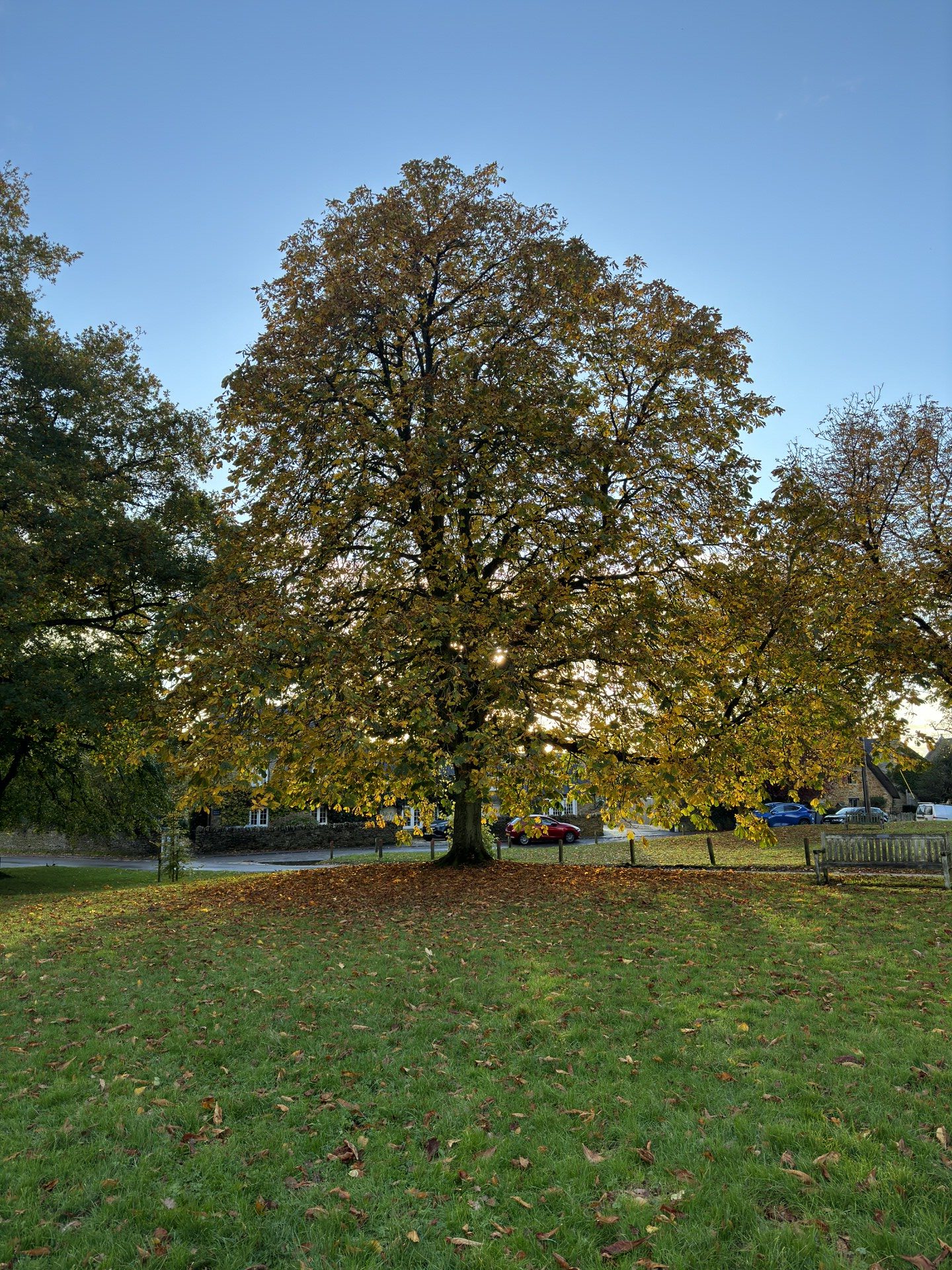
Kingham is mentioned in the Domesday Book of 1086 as Caningeham, and its name derives from Old English for “the homestead of Caega’s people.” It is built around a wide green lined with honey-toned, partly thatched cottages, and in 2004 was voted England’s favourite village by Country Life magazine. Much of its present-day profile, though, comes from its railway station: opened in 1855 as Chipping Norton Junction and renamed Kingham in 1909, it now sits on the Cotswold Line with direct services to London Paddington, Oxford, Worcester and Hereford, and has become a well-known weekend gateway for London-based visitors to this corner of the Cotswolds.
Churchill, Bledington and the Oddingtons: Four Quieter Neighbours
Churchill
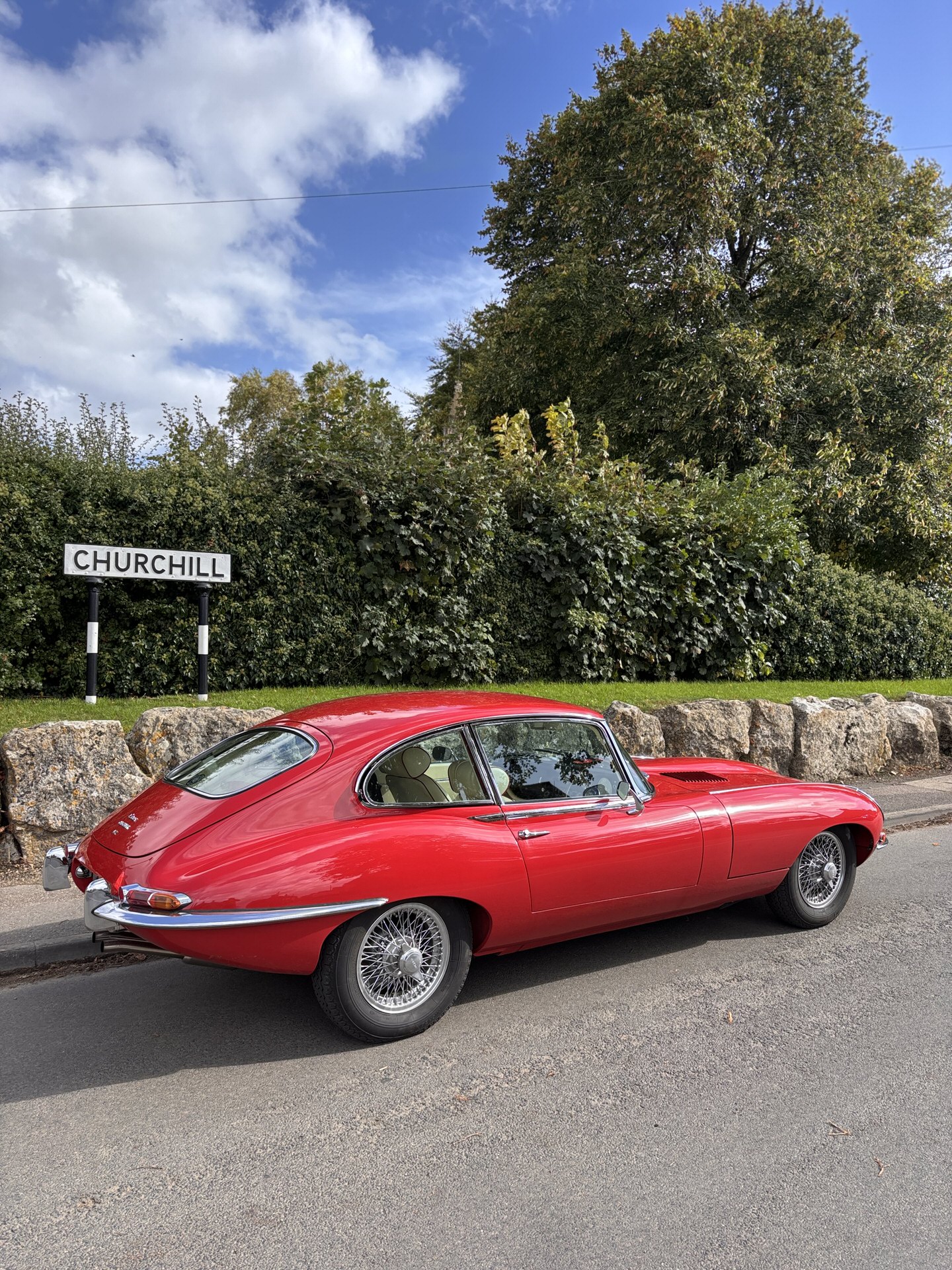
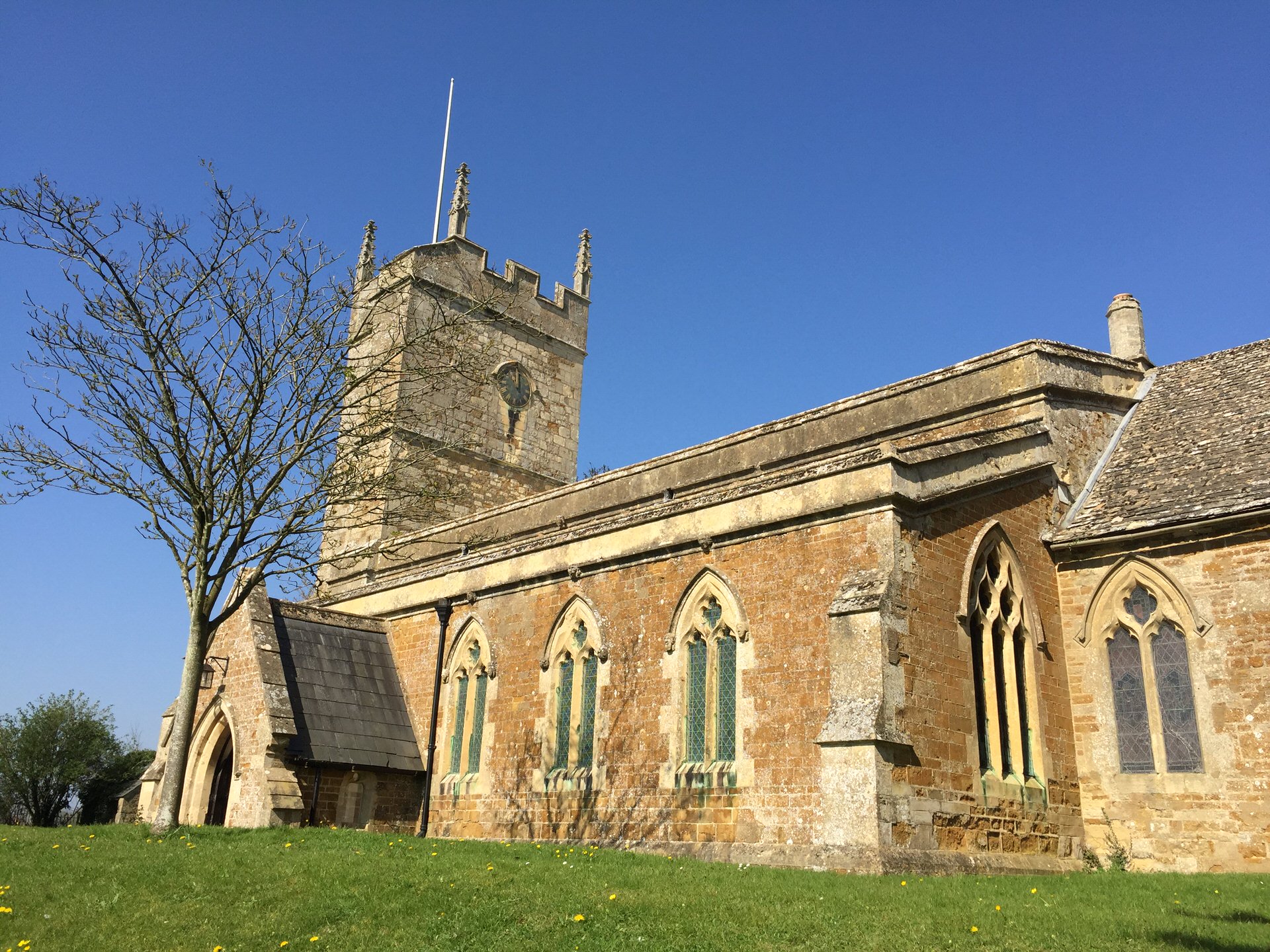
Churchill is easy to underestimate on a quick pass-through, but its parish church tells a more ambitious story: it was built as a two-thirds scale homage to Magdalen College, Oxford, with a hammerbeam roof copied from Christ Church, buttresses modelled on New College, and windows drawn from several other Oxford colleges. The village produced two figures of real historical significance: Warren Hastings, the first Governor-General of India, and William Smith, widely regarded as the father of English geology, born here in 1769 and commemorated by a monolith erected in 1891 using stone from nearby Sarsden Wood.
Bledington
Bledington sits in the Evenlode valley on the Gloucestershire–Oxfordshire boundary, built around a large, unenclosed village green with a stream running through it and ducks and bantams wandering freely — a genuinely classic piece of English village scenery, and the reason many visitors linger longer here than they planned to.
The Oddingtons
Lower and Upper Oddington are adjoining villages that together form a single parish. Lower Oddington’s twelfth-century St Nicholas Church holds what is believed to be the largest surviving “Doom” wall painting in the country — a Last Judgement scene around 32 feet long and 15 feet high, painted around the fourteenth century, whitewashed over at the Reformation, rediscovered in 1914 and carefully conserved from 1969 onward. It remains one of the more remarkable, and least visited, medieval artworks anywhere in the Cotswolds.
Where to Eat and Drink
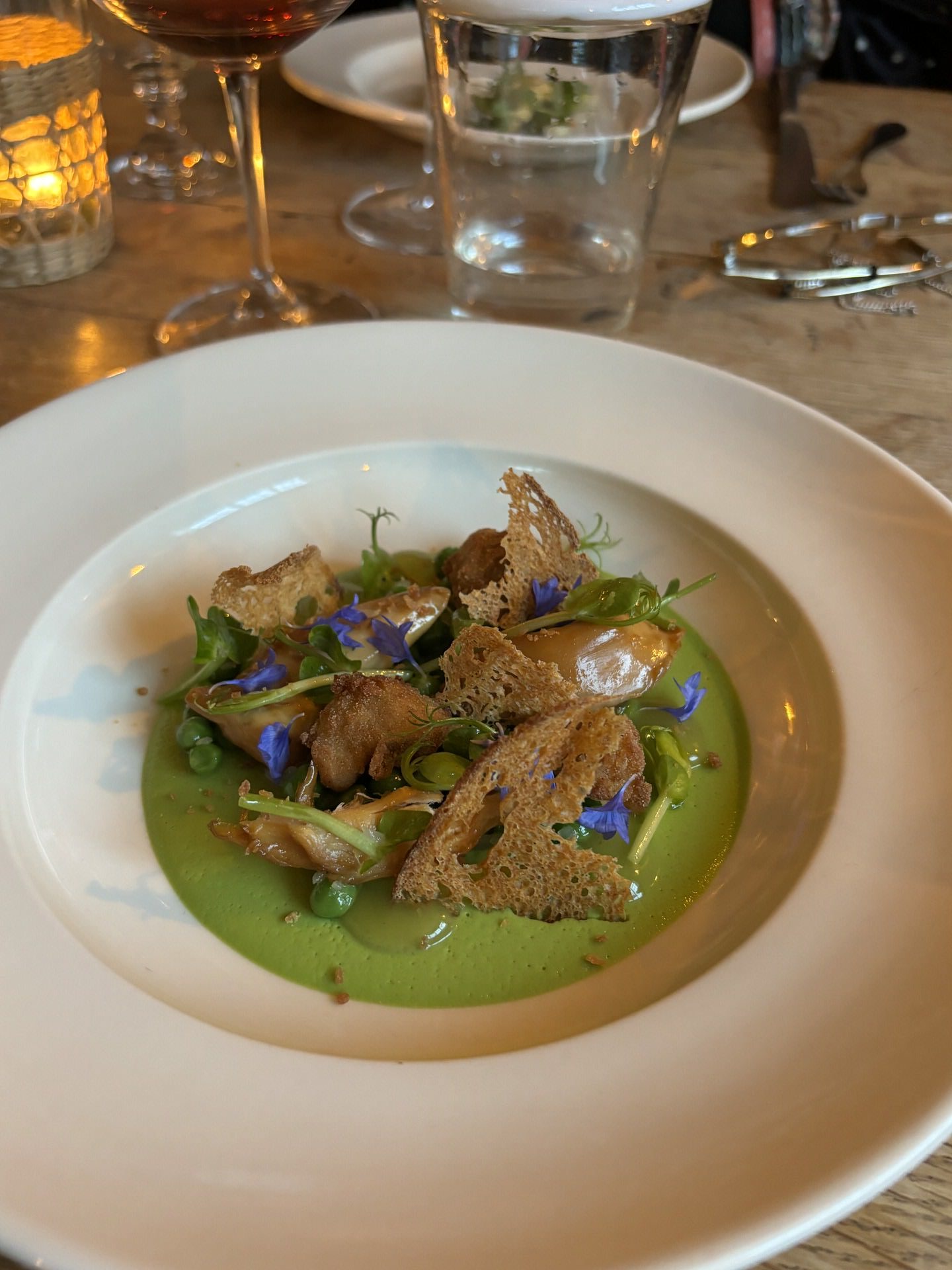
This small cluster of villages punches well above its weight for food and drink, in part thanks to the nearby Daylesford Organic estate.
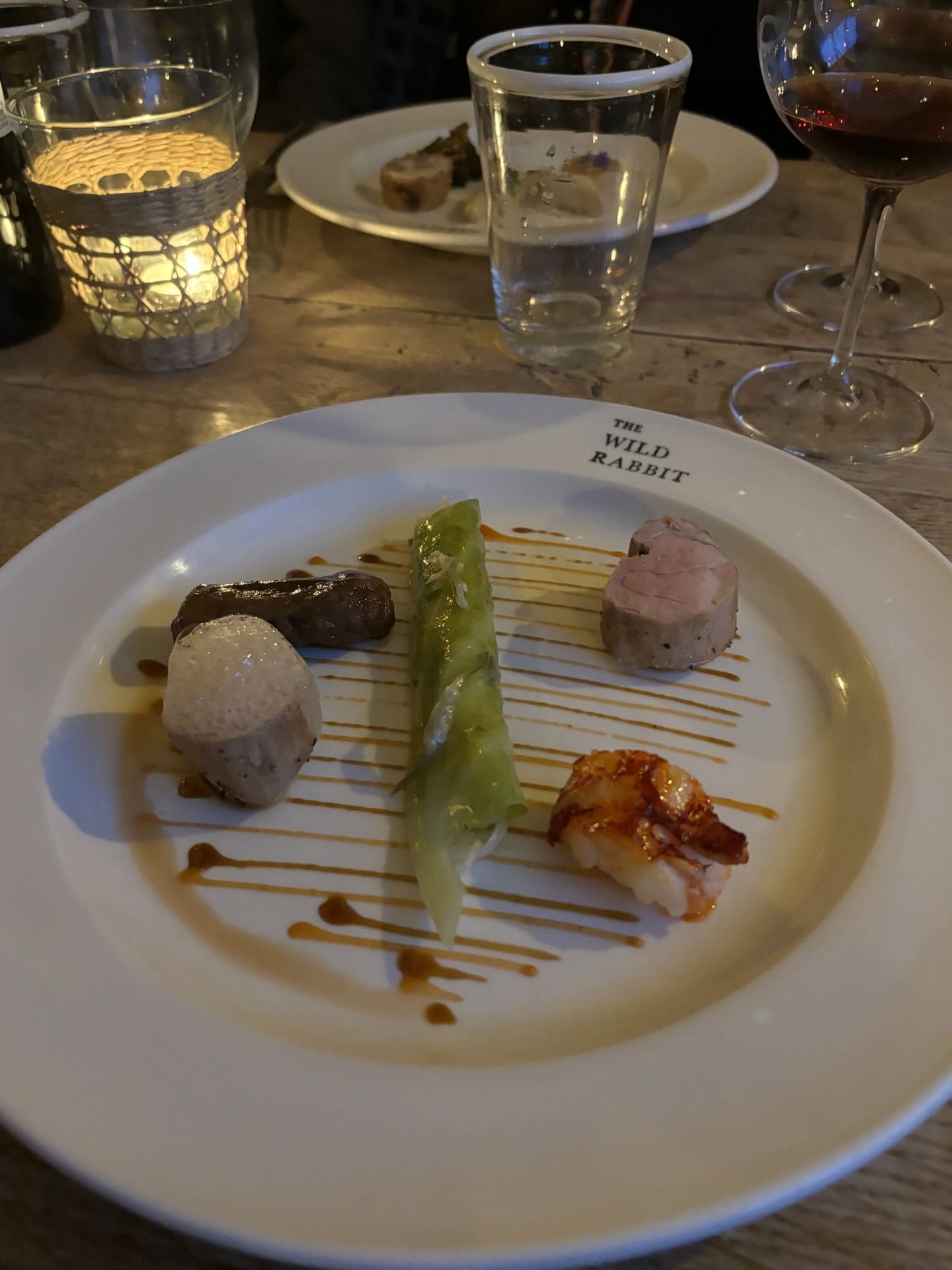
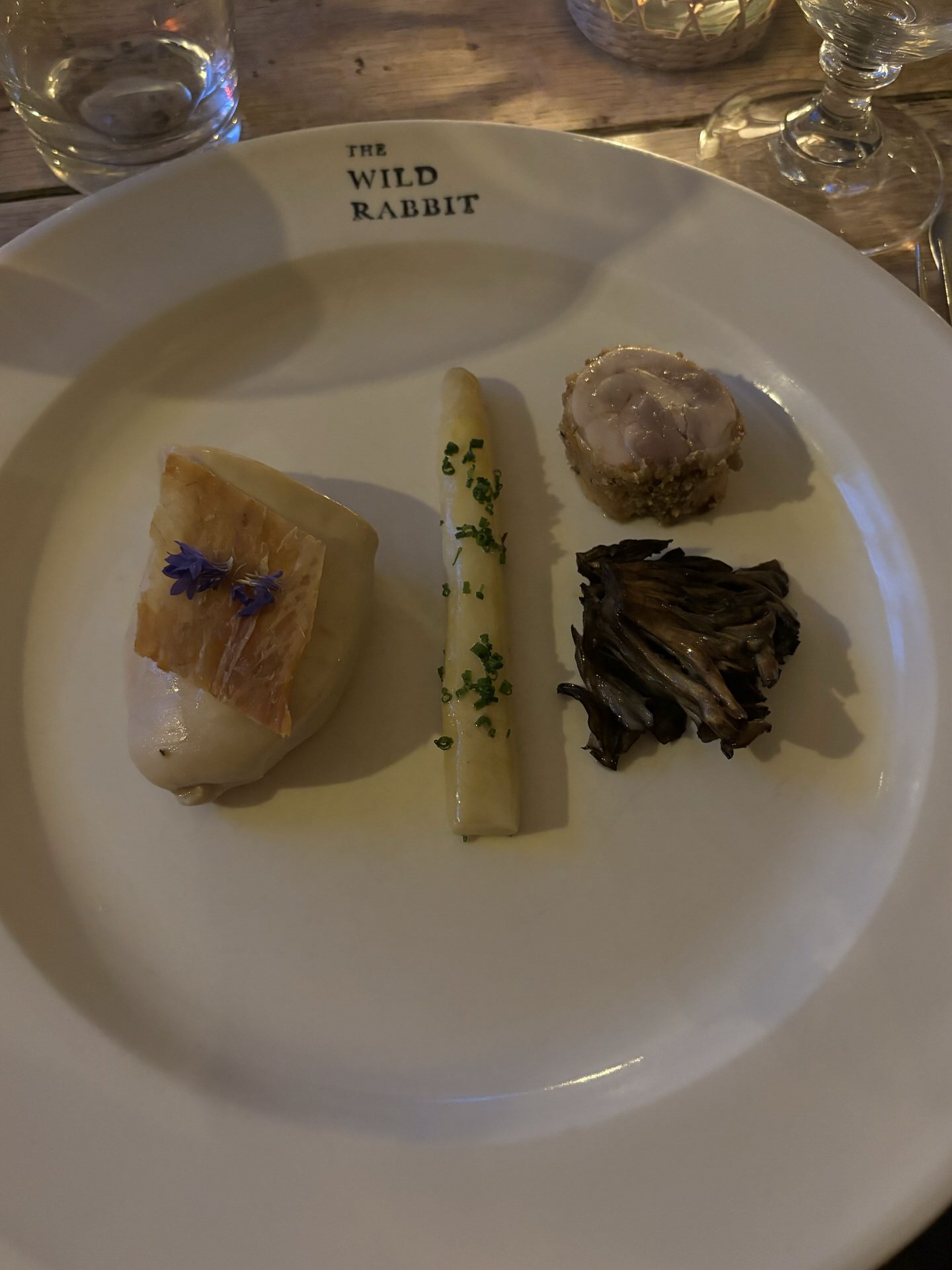
- The Wild Rabbit, on Kingham’s green, is part of the Daylesford estate owned by Lady Bamford, and was named Pub of the Year in the Michelin Eating Out in Pubs Guide. Its twelve bedrooms are named after English countryside creatures, and the kitchen draws on organic produce delivered fresh from the Daylesford farm each morning.
- The Kingham Plough, Kingham’s other well-regarded pub, gives the village a genuinely rare distinction for somewhere this size: two high-quality pubs within walking distance of each other.
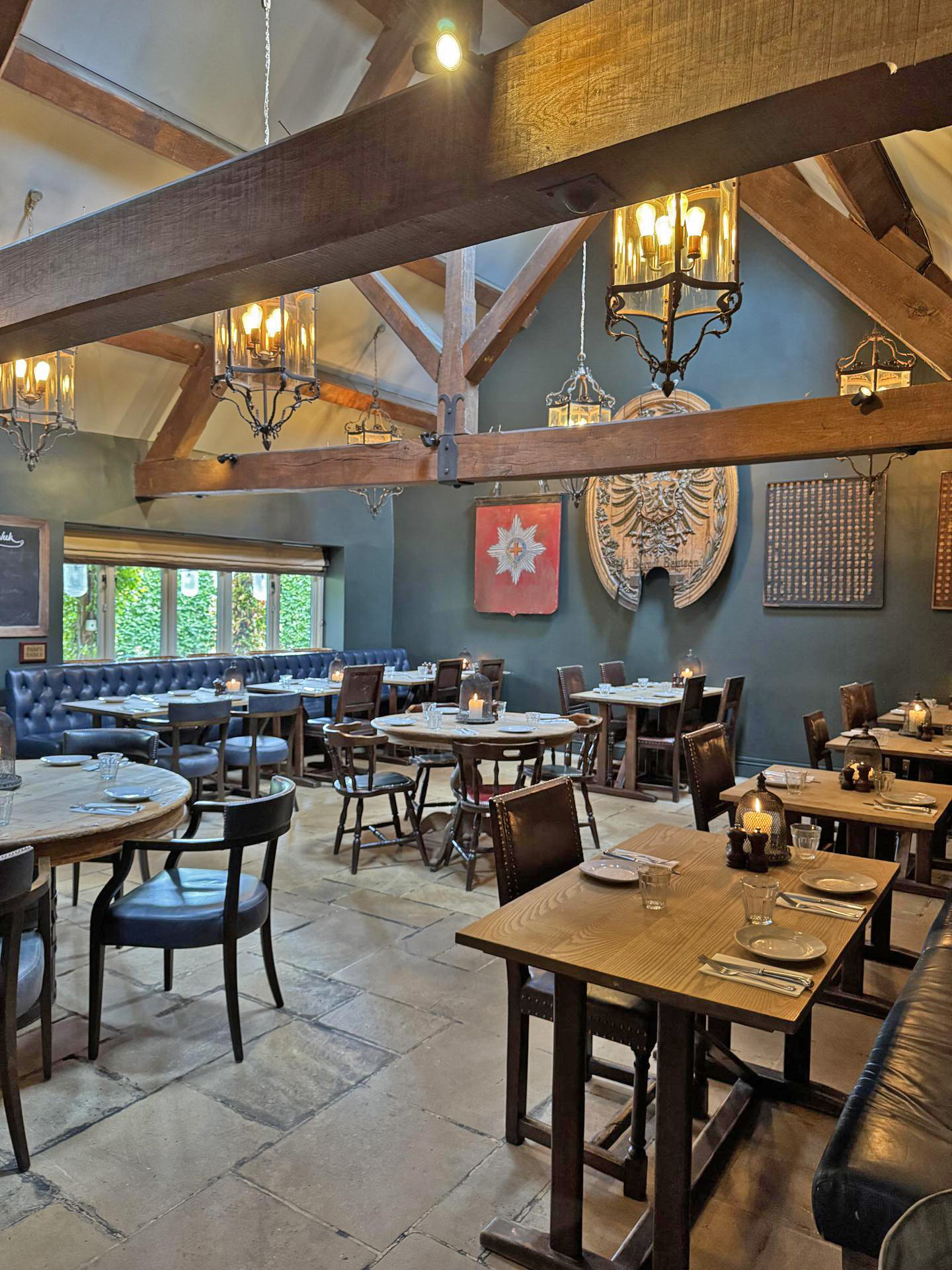
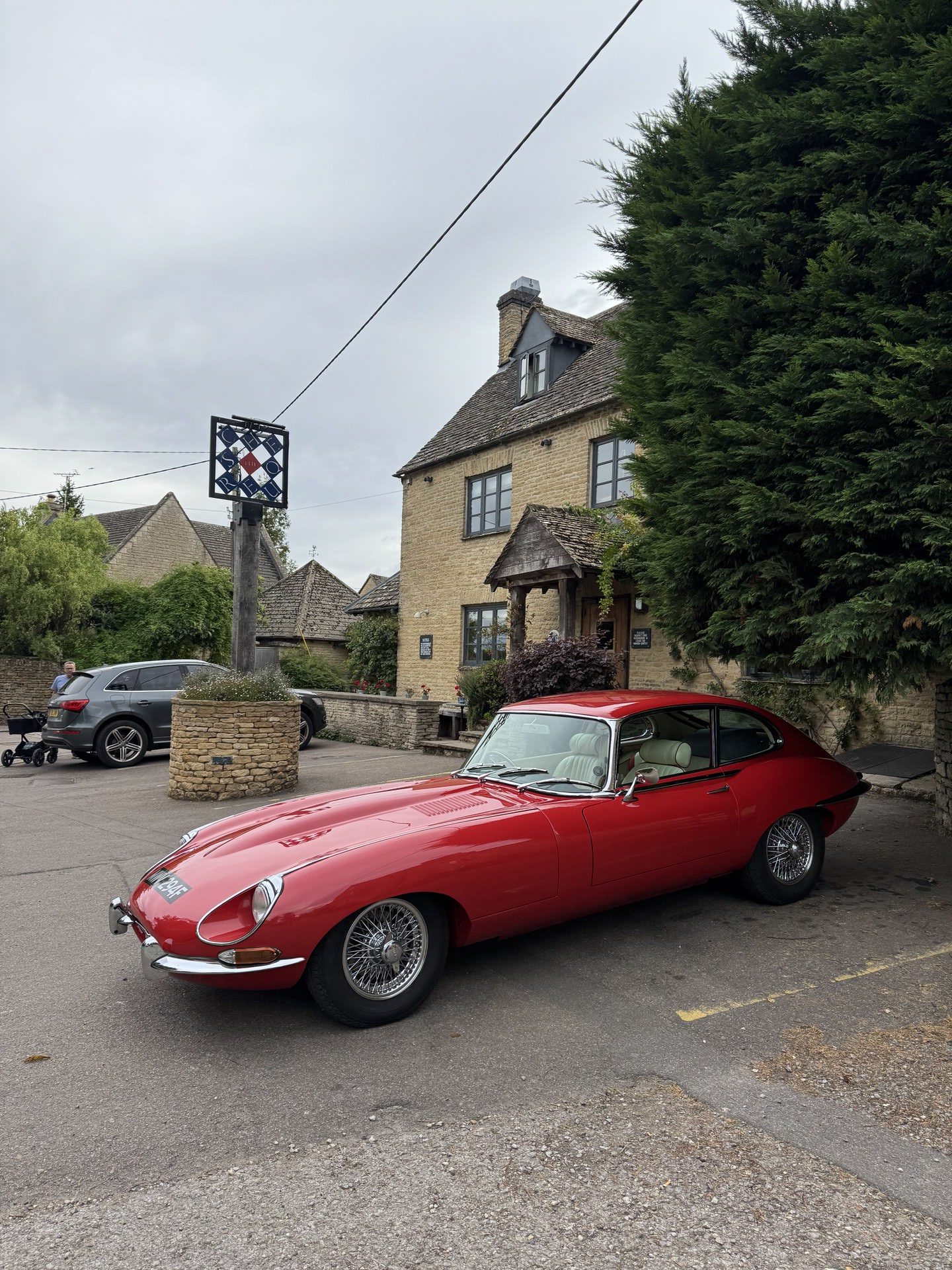
- The Chequers, an eighteenth-century stone pub opposite the church in Churchill, pairs flagstone floors, scrubbed beams and an open fire with a genuinely accomplished kitchen — a twice-baked Cheddar soufflé and steaks from a Josper oven among the highlights — and is well placed for a lunch or supper stop given its proximity to Kingham station and Daylesford.
- The King’s Head Inn, on Bledington’s green, is a beautifully restored sixteenth-century former cider house that has won the Good Pub Guide’s Pub of the Year and Inn of the Year awards in recent years, with a position overlooking the green’s stream and grazing bantams that is hard to beat.
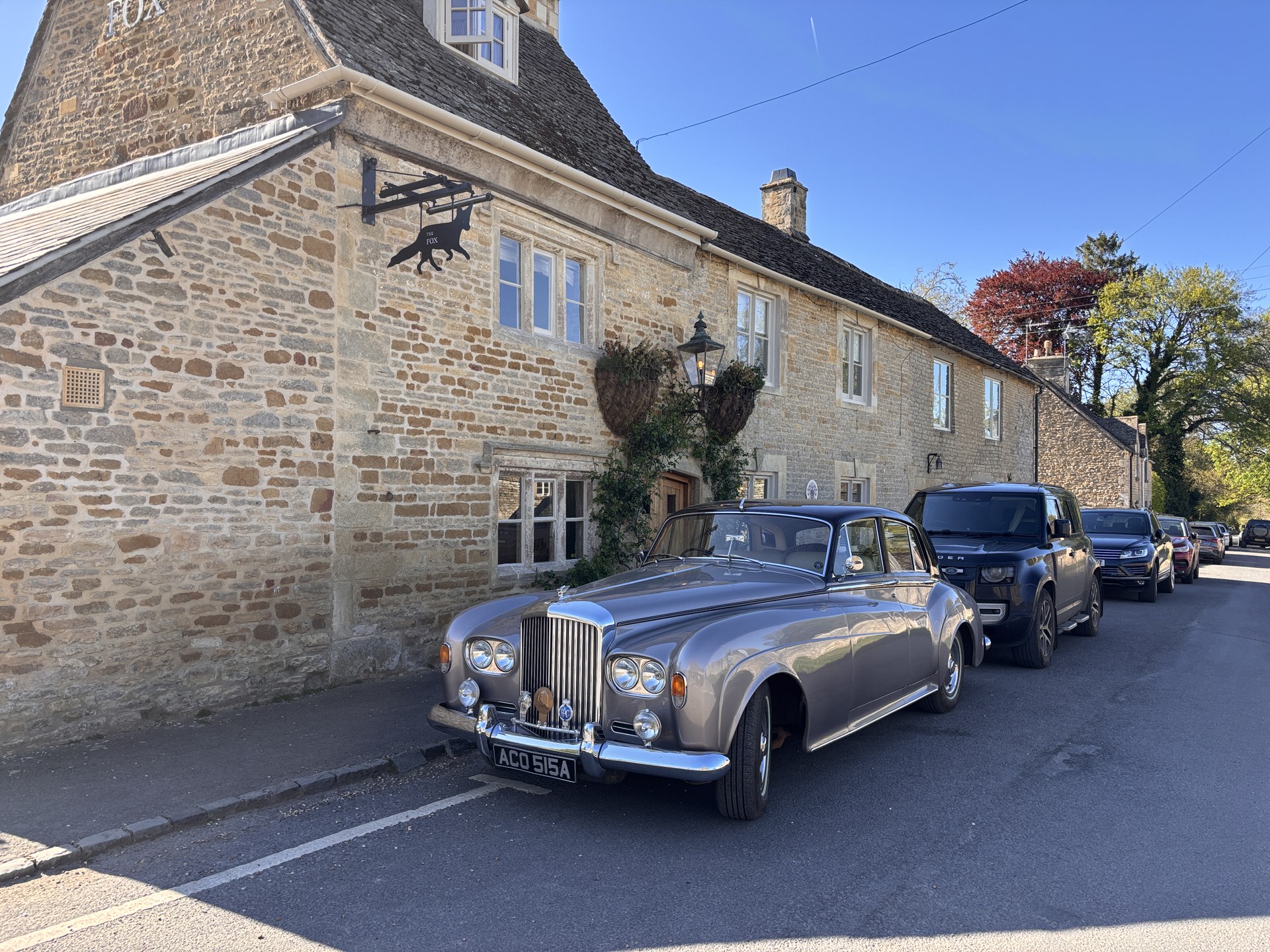
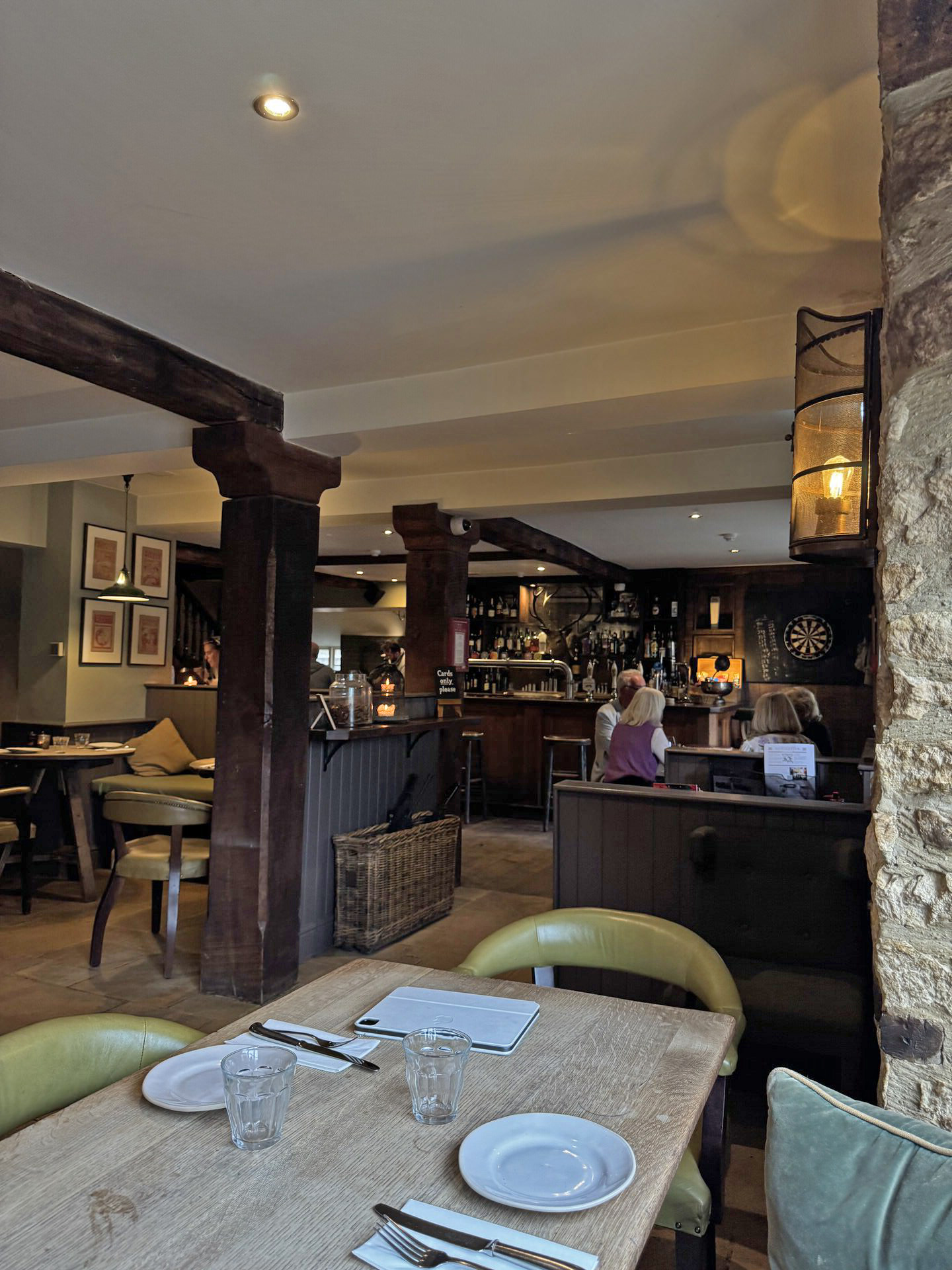
- The Fox, in Lower Oddington, is a sister property to The Wild Rabbit and the Daylesford estate, working from the same organic farms and its own estate at Wootton, in an immaculately refurbished nineteenth-century inn with rooms and a wood-fired oven.
For a wider view of dining across the region, the best country pubs in the Cotswolds and the best restaurants in the Cotswolds help set these four villages’ options in context.