Stow-on-the-Wold is the highest town in the Cotswolds, standing at around 800 feet above sea level on a windswept hilltop where several old roads — including the Roman Fosse Way — converge. That position at a crossroads is, in many ways, the whole story of the town: it made Stow a natural stopping point and trading centre for a thousand years, and today that history sits comfortably alongside one of the best concentrations of antiques dealers, historic inns and genuinely good places to eat anywhere in the Cotswolds. This guide sets out what makes Stow worth building a visit around, from its market square and shopping to where to eat and how to plan a visit.
Stow-on-the-Wold at a Glance
| Location | North Cotswolds, Gloucestershire, at the junction of the Fosse Way and several other old routes |
| Elevation | Around 800 feet (244m) — the highest town in the Cotswolds |
| Distance from Oxford | Around 21 miles; about 40 minutes by car |
| Distance from London | Around 90 miles; roughly 2 hours by car |
| Nearest railway station | Moreton-in-Marsh, about 4.5 miles away, with direct trains to London Paddington (around 1 hour 30 minutes) and Oxford (around 35 minutes) |
| Parking | Free two-hour parking on the Market Square; free longer-stay parking at the Fosseway car park (near Tesco); pay-and-display on Maugersbury Road |
| Best known for | Its market square and stocks, St Edward’s Church and its yew-flanked door, historic coaching inns, and one of the densest concentrations of antiques dealers in the Cotswolds |
Exploring Stow’s Market Square & Antiques Trade
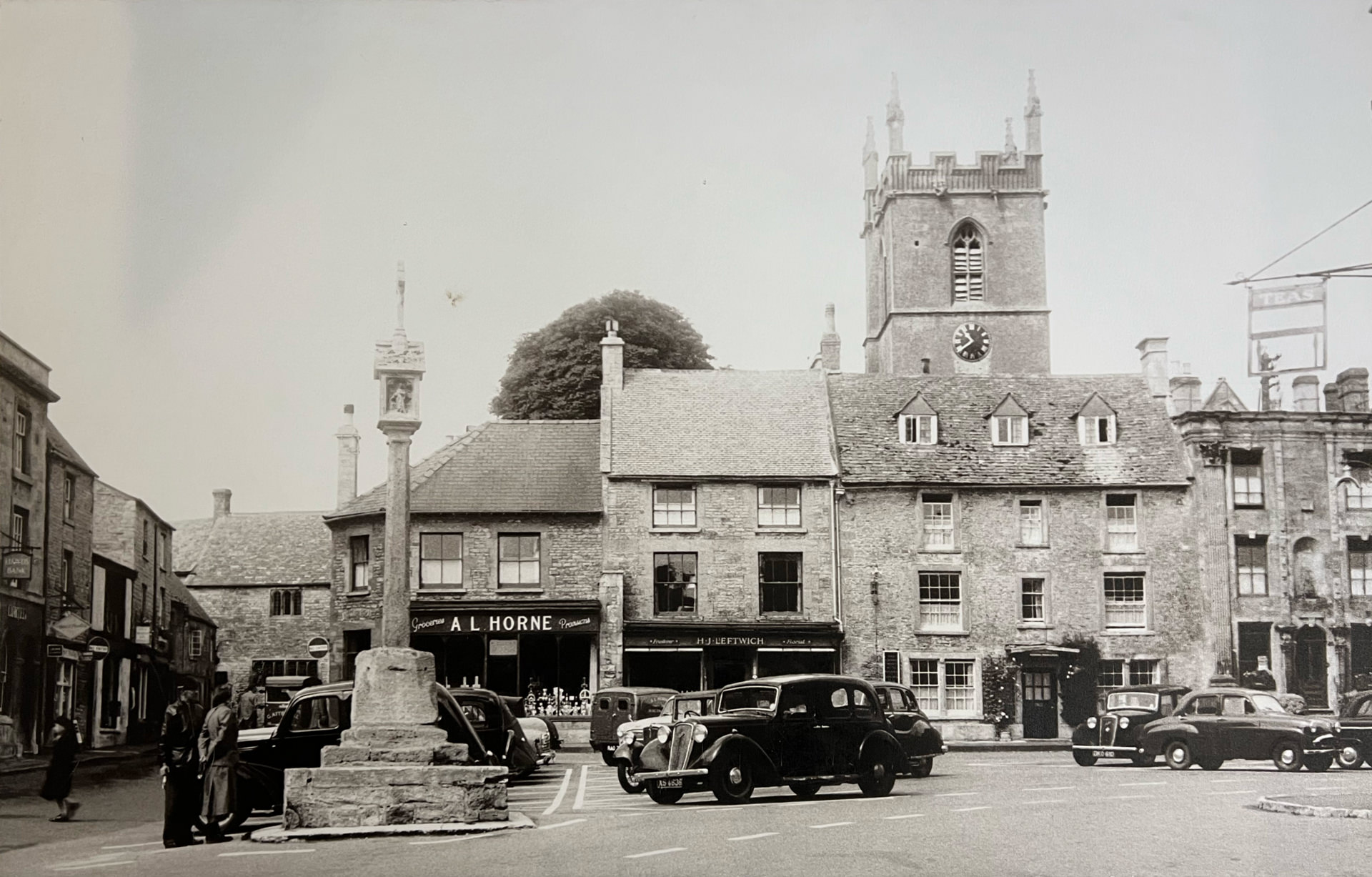
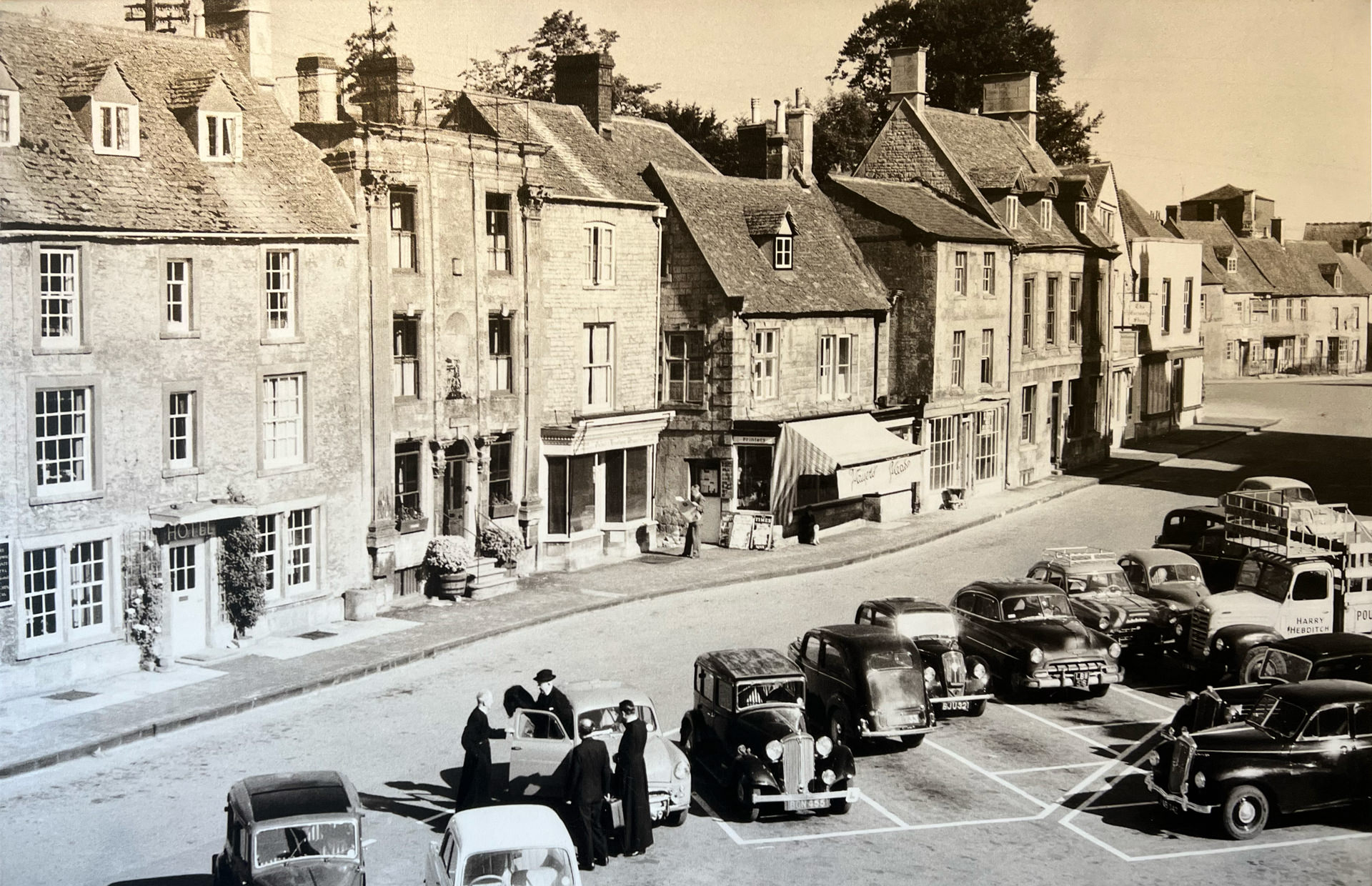
Stow’s Market Square is the obvious place to start any visit: a wide, sloping space still overlooked by handsome stone buildings, with the original penal stocks preserved on the green. Just off the square, St Edward’s Church is the town’s other essential stop, its famous north door — a thirteenth-century entrance flanked by two ancient, gnarled yew trees whose roots and branches now frame the doorway — among the most photographed features in the Cotswolds.
Stow also has one of the highest concentrations of serious antiques dealers anywhere in the region, a trade that has grown up around the town’s long history as a place people pass through and stop to trade. Long-established specialists such as Baggott Church Street — with over forty years dealing in seventeenth-, eighteenth- and early nineteenth-century English furniture, decorative objects and paintings — have shaped Stow’s reputation among interior decorators and collectors, though the firm has recently relocated from its long-time Church Street premises to nearby Huntsman’s Yard on Sheep Street. Stow’s farmers’ market runs on the second Thursday of every month, year-round, from 9am to 1pm, with an additional market on the last Thursday of the month between April and October — a good opportunity to pick up Cotswold cheese, bread and other local produce alongside a wander around the antiques shops.
Where to Eat and Drink in Stow-on-the-Wold
Stow’s dining scene runs from genuine destination cooking to the kind of easy, everyday spots worth knowing about for a market-day lunch.
- The Old Butchers, on Park Street, is Stow’s standout recent addition: a family-run restaurant in a former butcher’s shop, holding a Michelin Plate for grill-focused, seafood-led British cooking. Expect a daily-changing menu built around charcoal grilling and fresh fish — Cornish scallops with nduja butter, Dover sole, and a lobster mac and cheese that has become something of a local favourite — served in a warm, informal dining room and heated terrace.
- Bar Foletta, on Park Street in a building dating to 1480, is a family-run café and bar serving coffee and pastries by day and small plates, wine and cocktails by evening, with recipes drawing on the family’s English, Australian and Italian heritage.
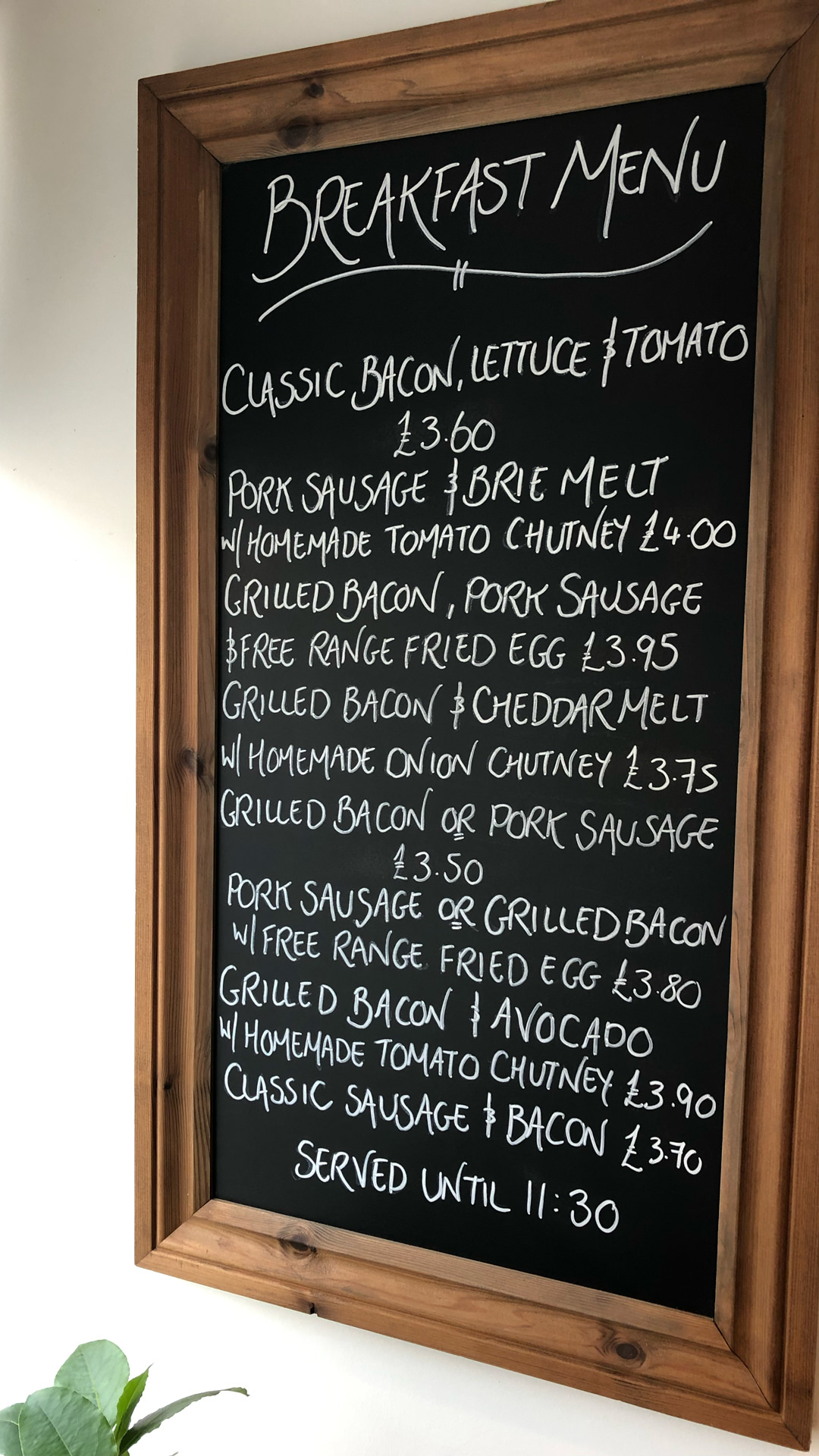
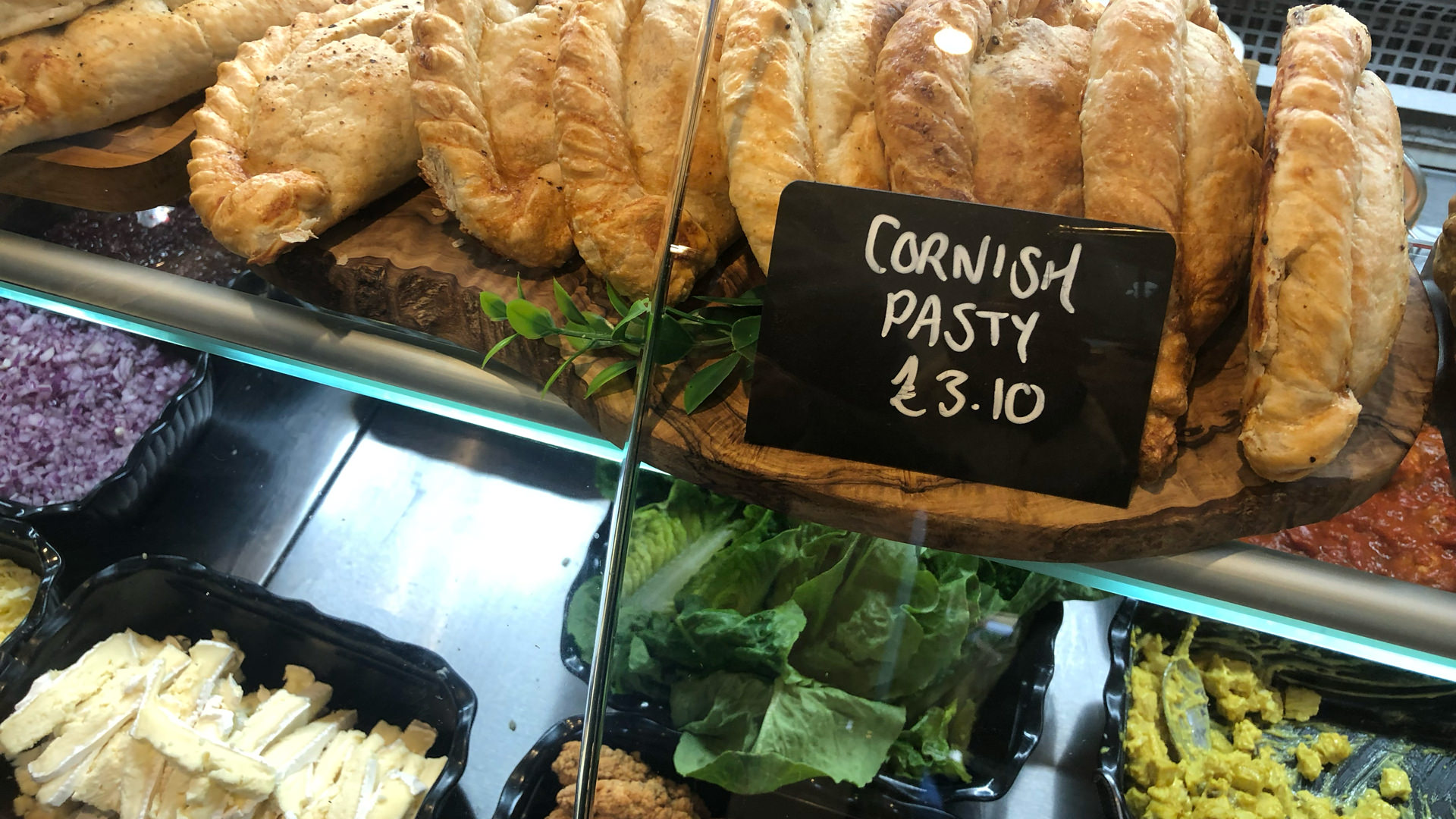
- Cotswold Baguettes, on Church Street, is the place for a proper lunch on the go: a long-standing, locally run sandwich shop known for generously filled baguettes, hot breakfast rolls and homemade cakes, with gluten-free and vegan options and outside catering for events.
- Otis & Belle, at 4 Talbot Court, is an award-winning artisan bakery built around slow-fermented sourdough made with Cotswold regenerative flour, alongside a strong viennoiserie and patisserie counter — named Best Group of Bakeries in the Cotswolds in 2025 and a holder of four Great Taste Awards, and a good stop for breakfast or a pastry alongside a morning around the antiques shops.
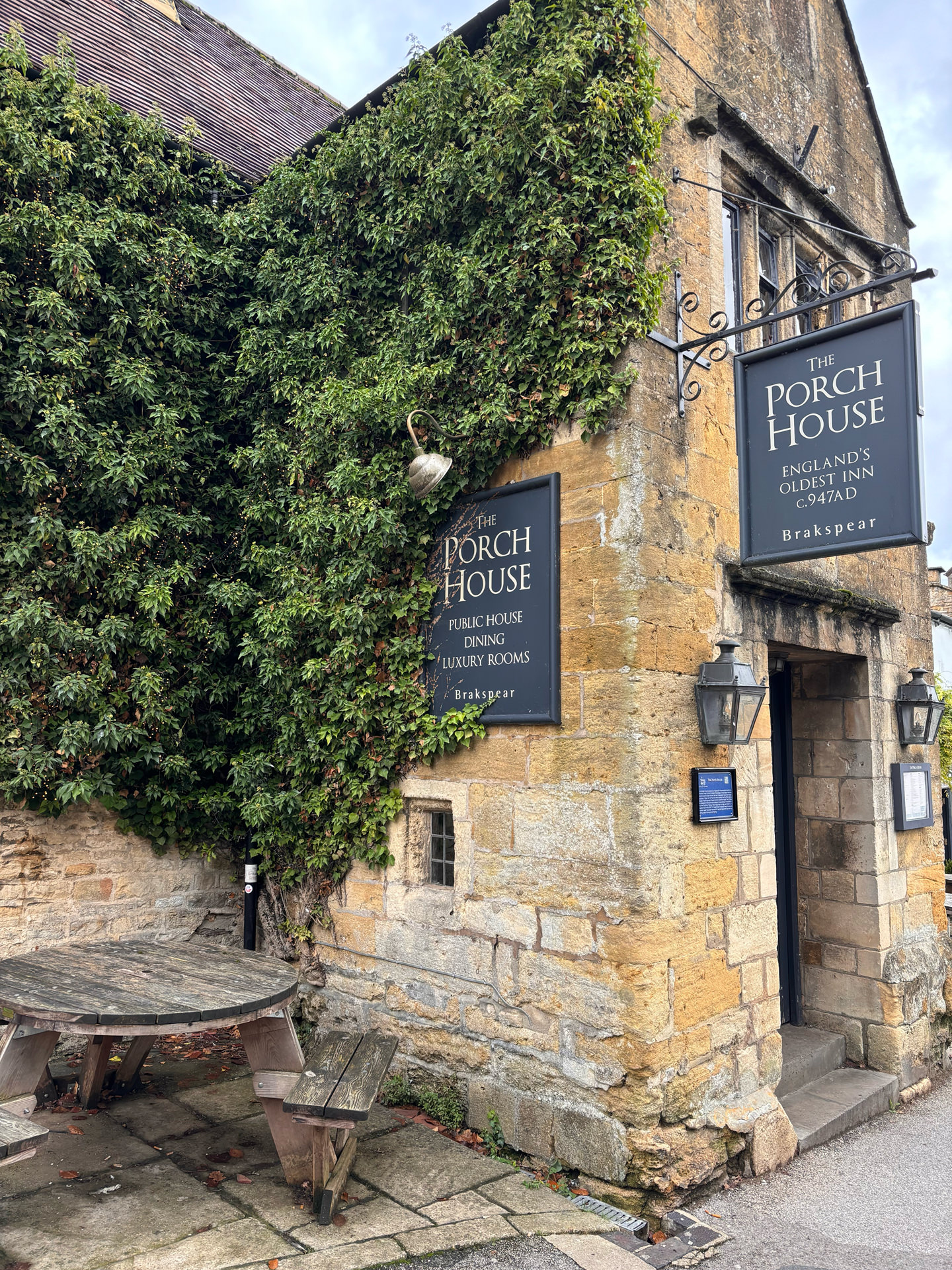
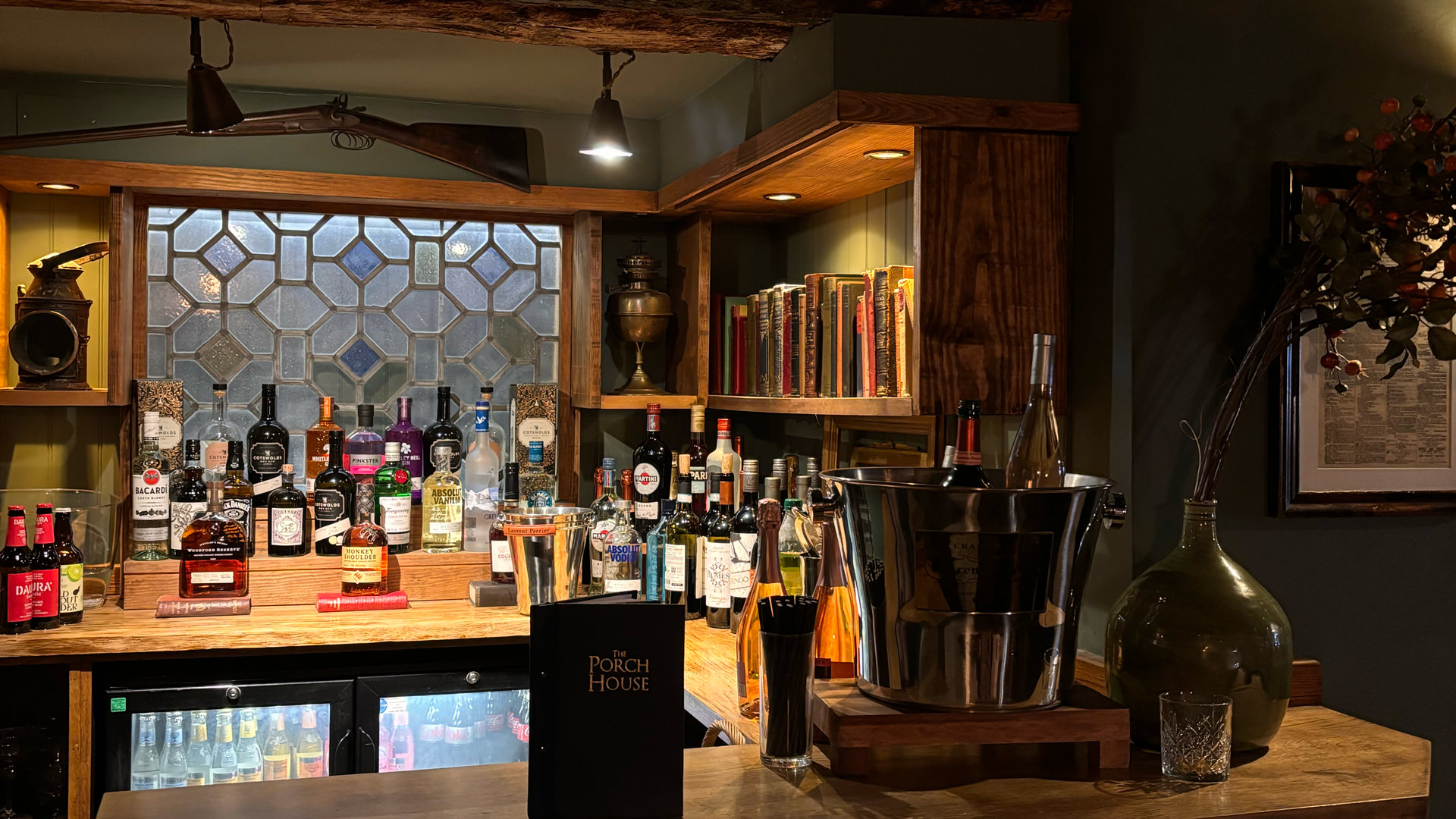
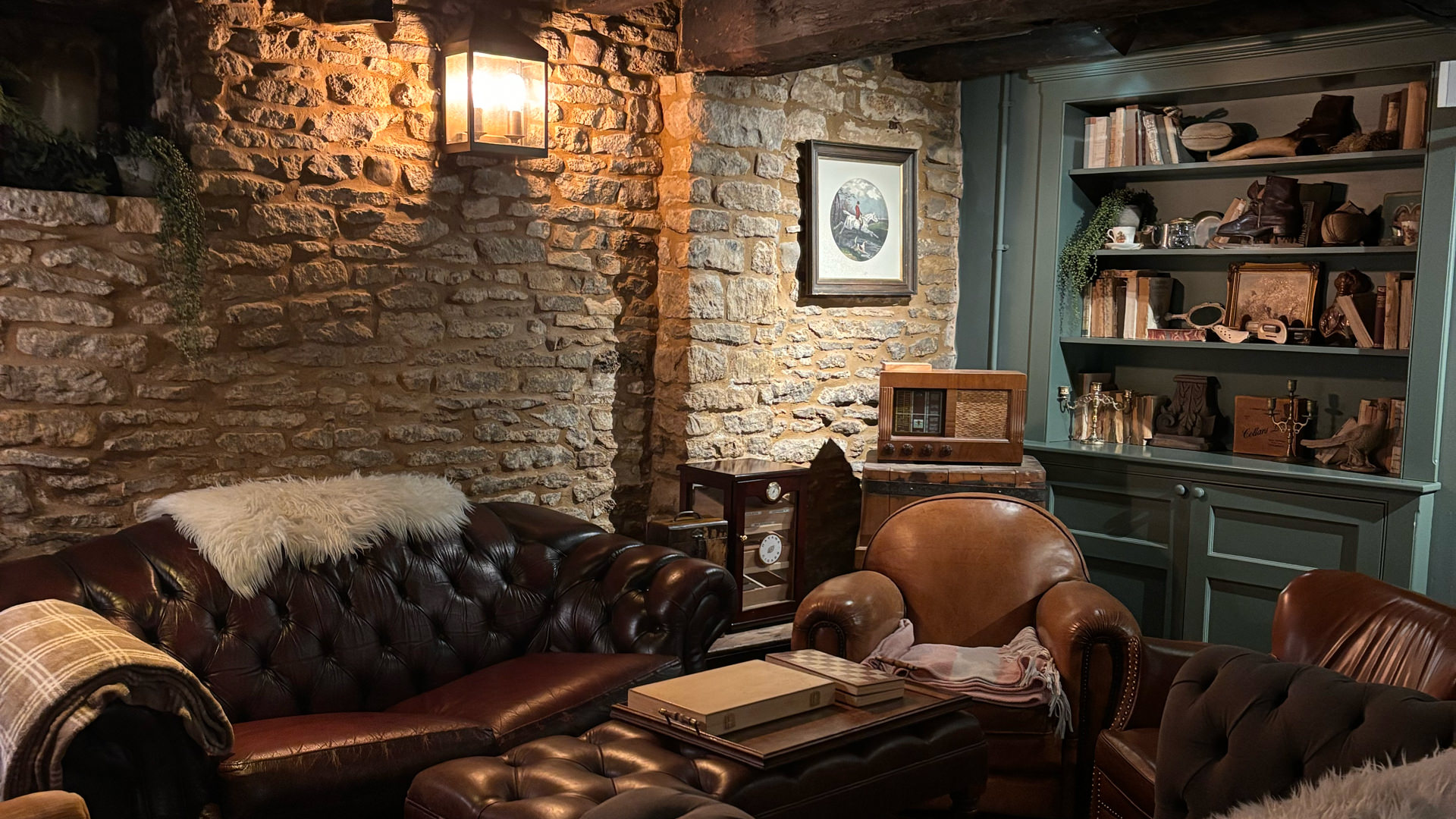
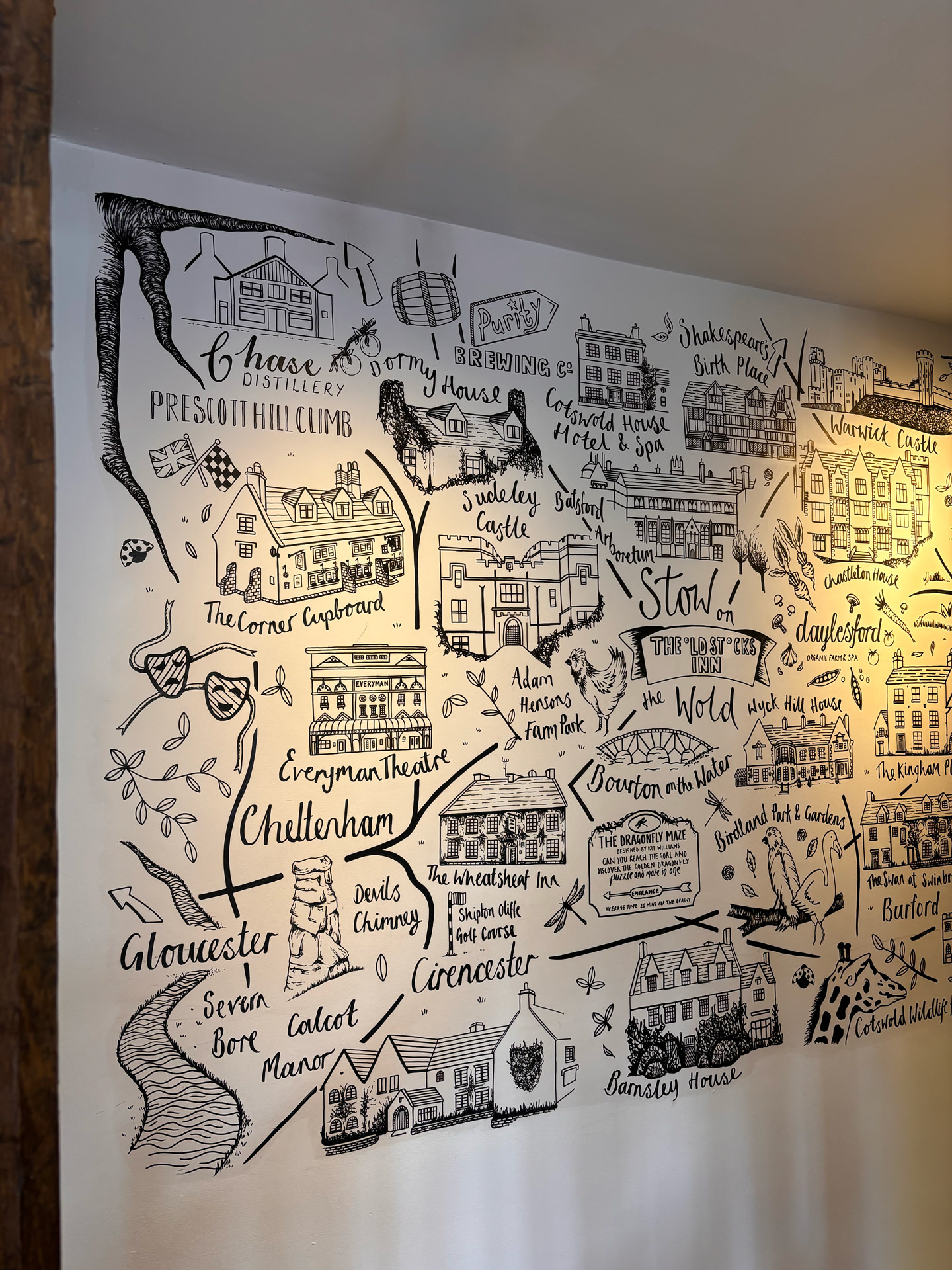
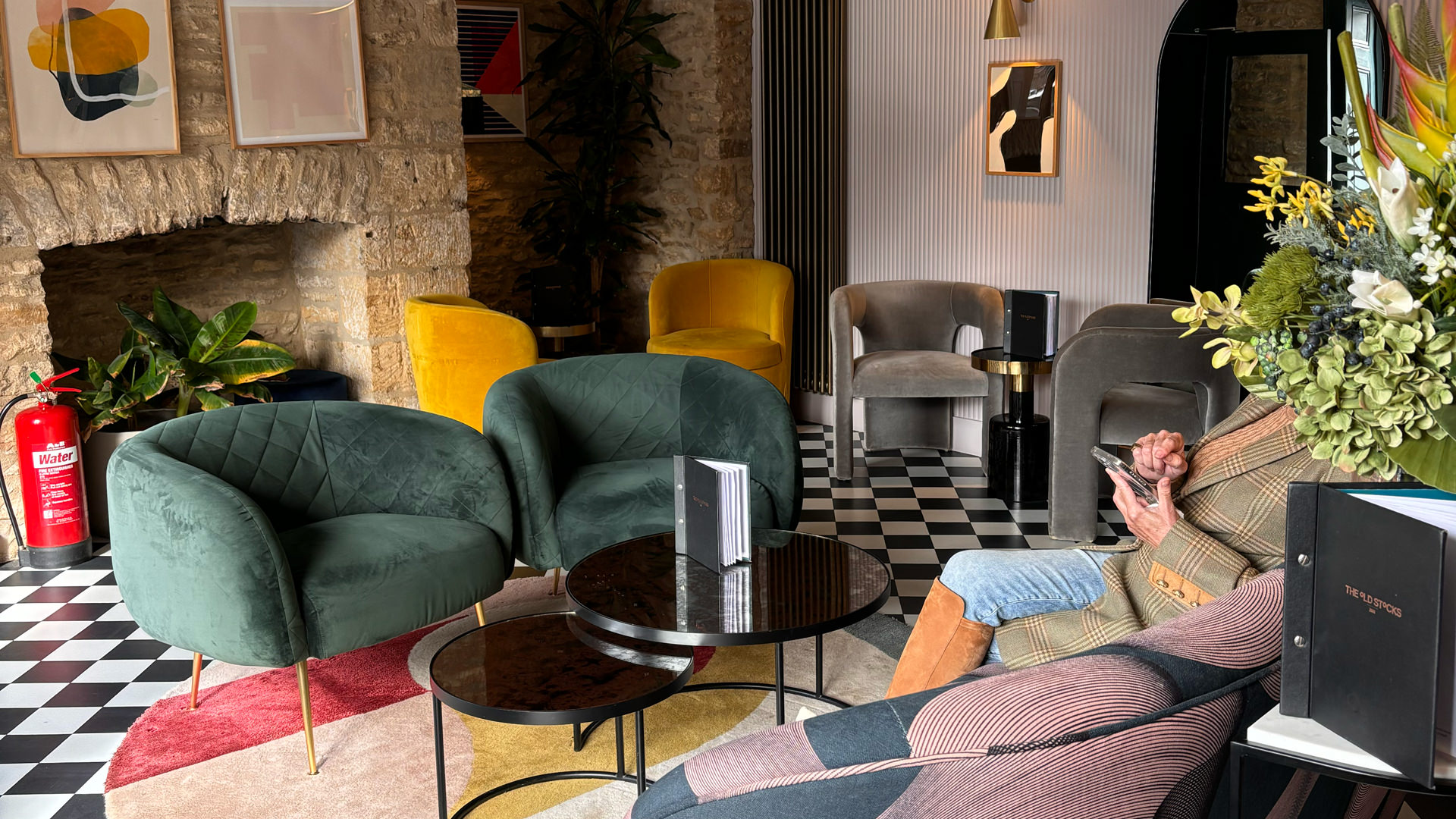
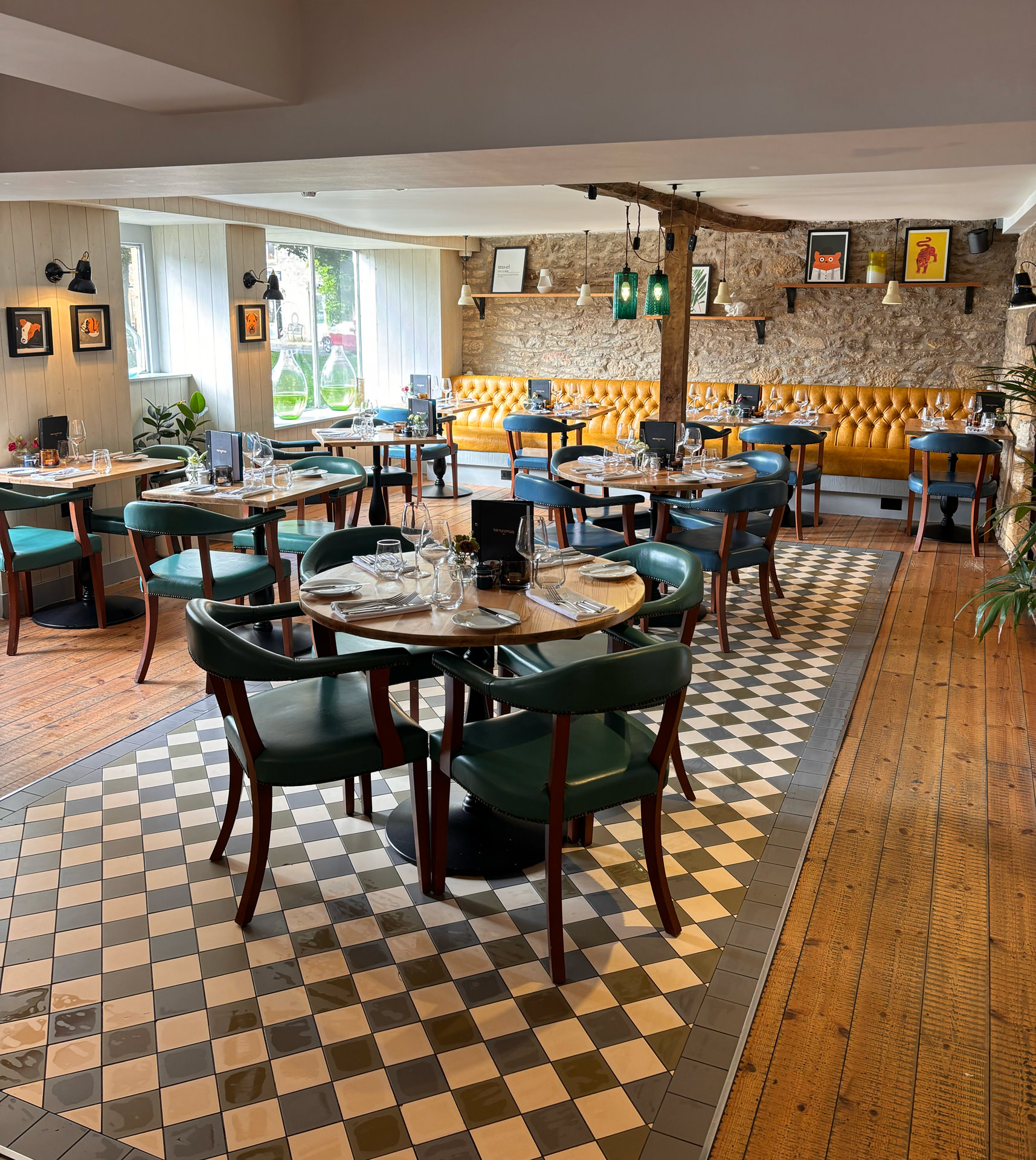
Beyond these, Stow’s market square and the streets around it are ringed with old coaching inns worth planning a meal or a stay around. The Porch House, a Grade II listed building just off the square, markets itself as England’s oldest inn — a claim more folklore than settled fact, since Stow itself is not thought to have developed as a proper settlement until around 1086–1107, but the building is genuinely old, handsome and now an award-winning boutique inn and restaurant. The Old Stocks Inn, a sixteenth-century stone building, looks directly out over the historic stocks it is named after; The Talbot, originally a coaching inn, later served as the town’s corn exchange; and The Kings Arms, also on the square, is said to have hosted King Charles I ahead of the Battle of Naseby in 1645.