Exploring the Town
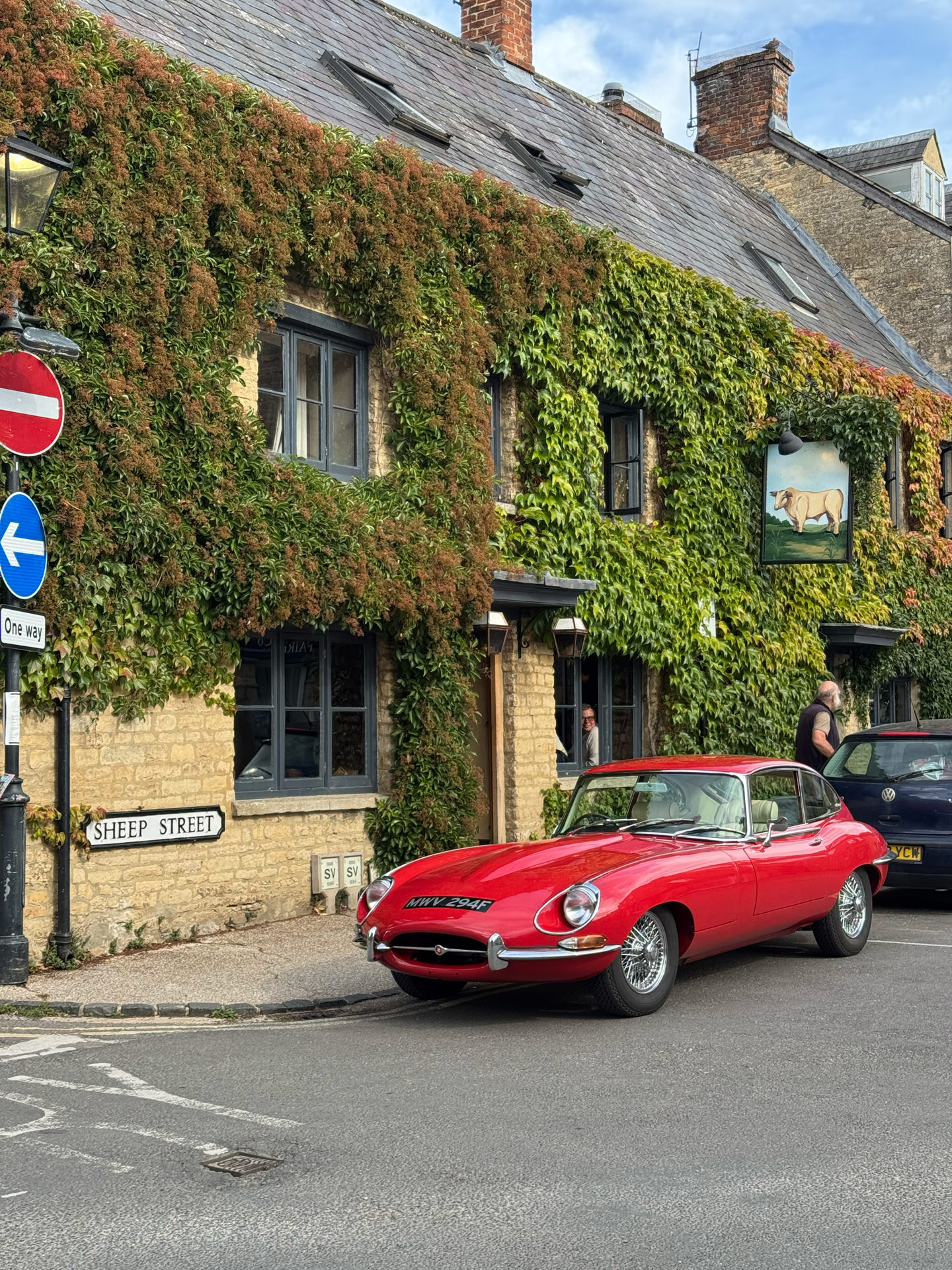
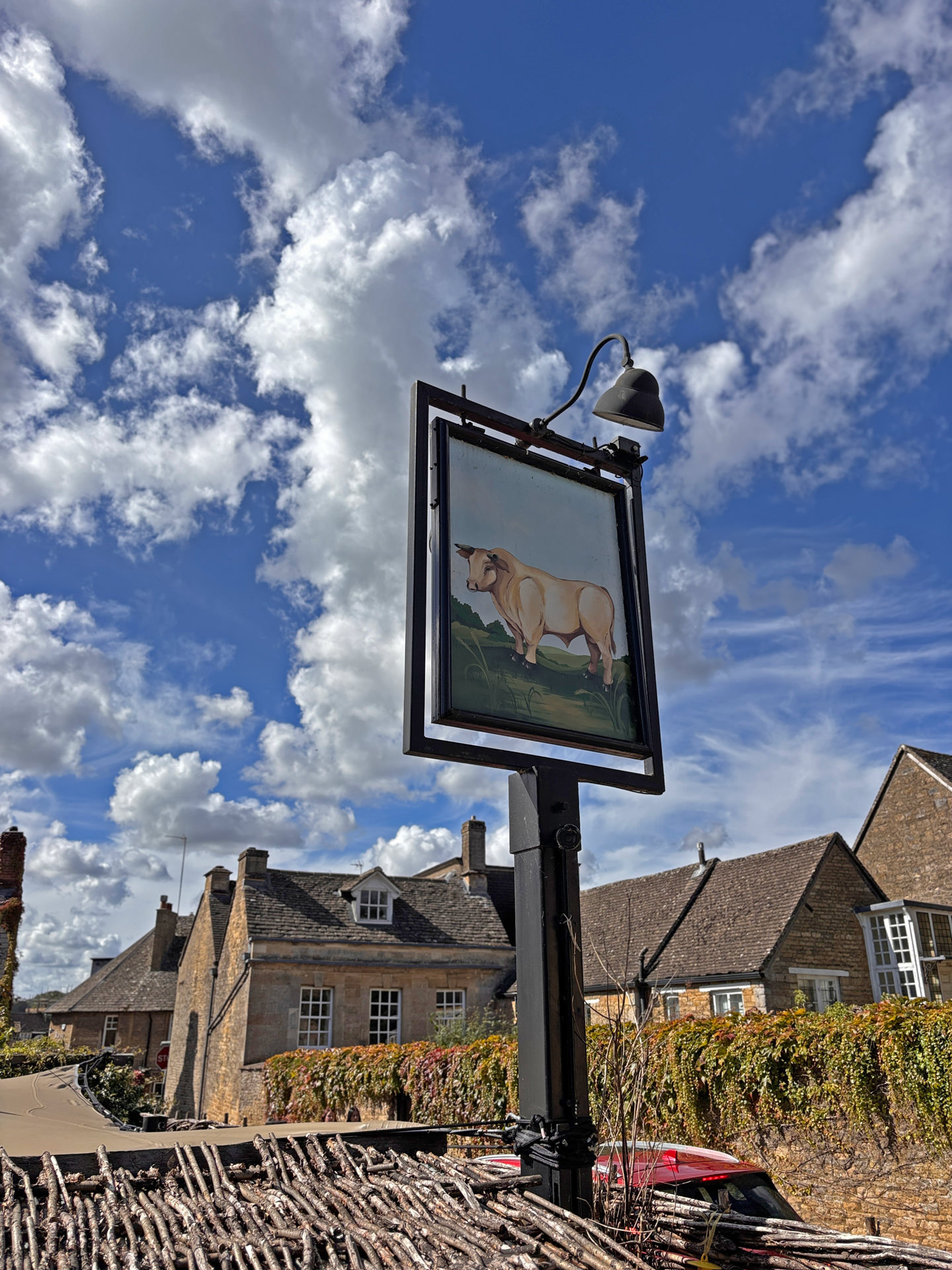
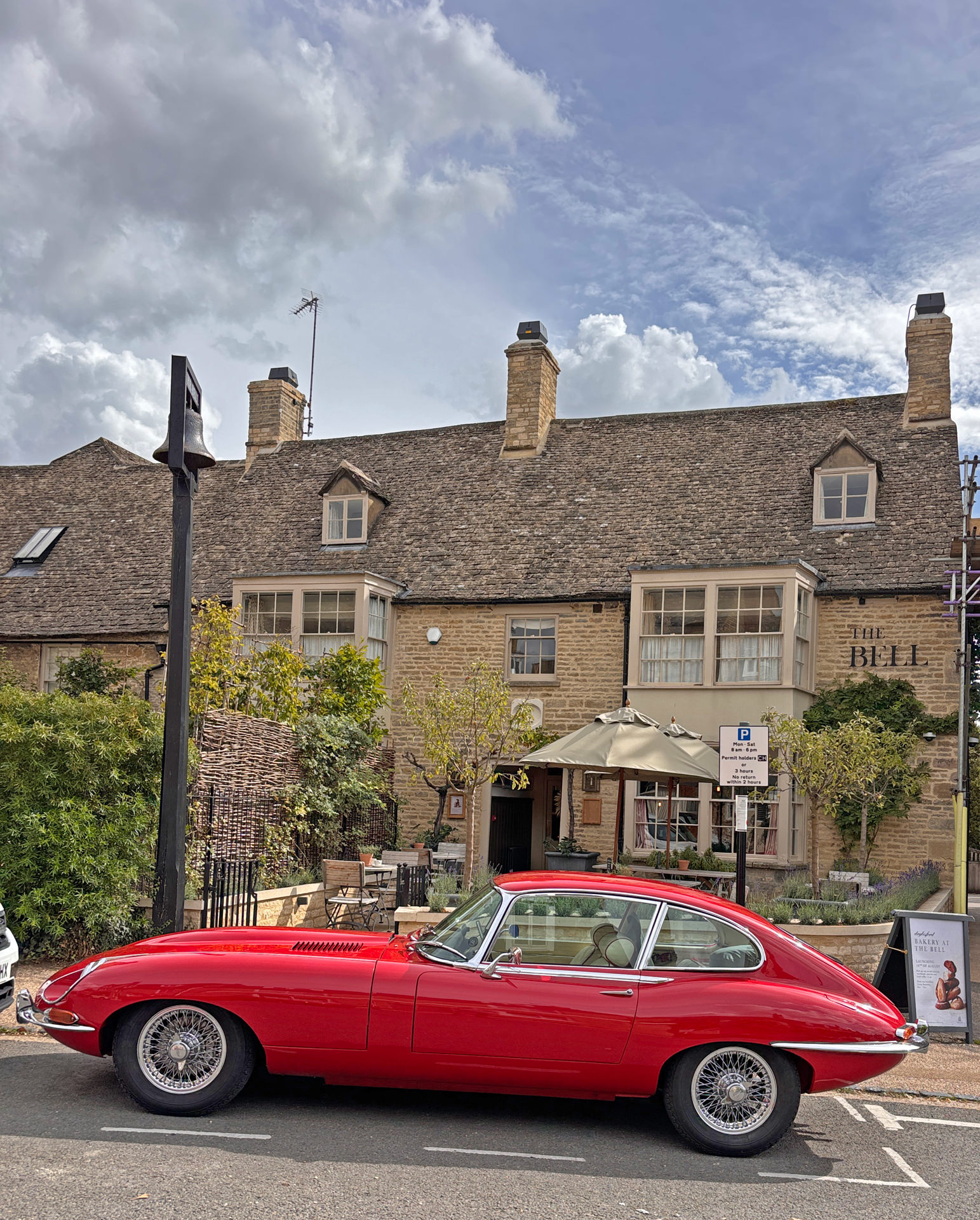
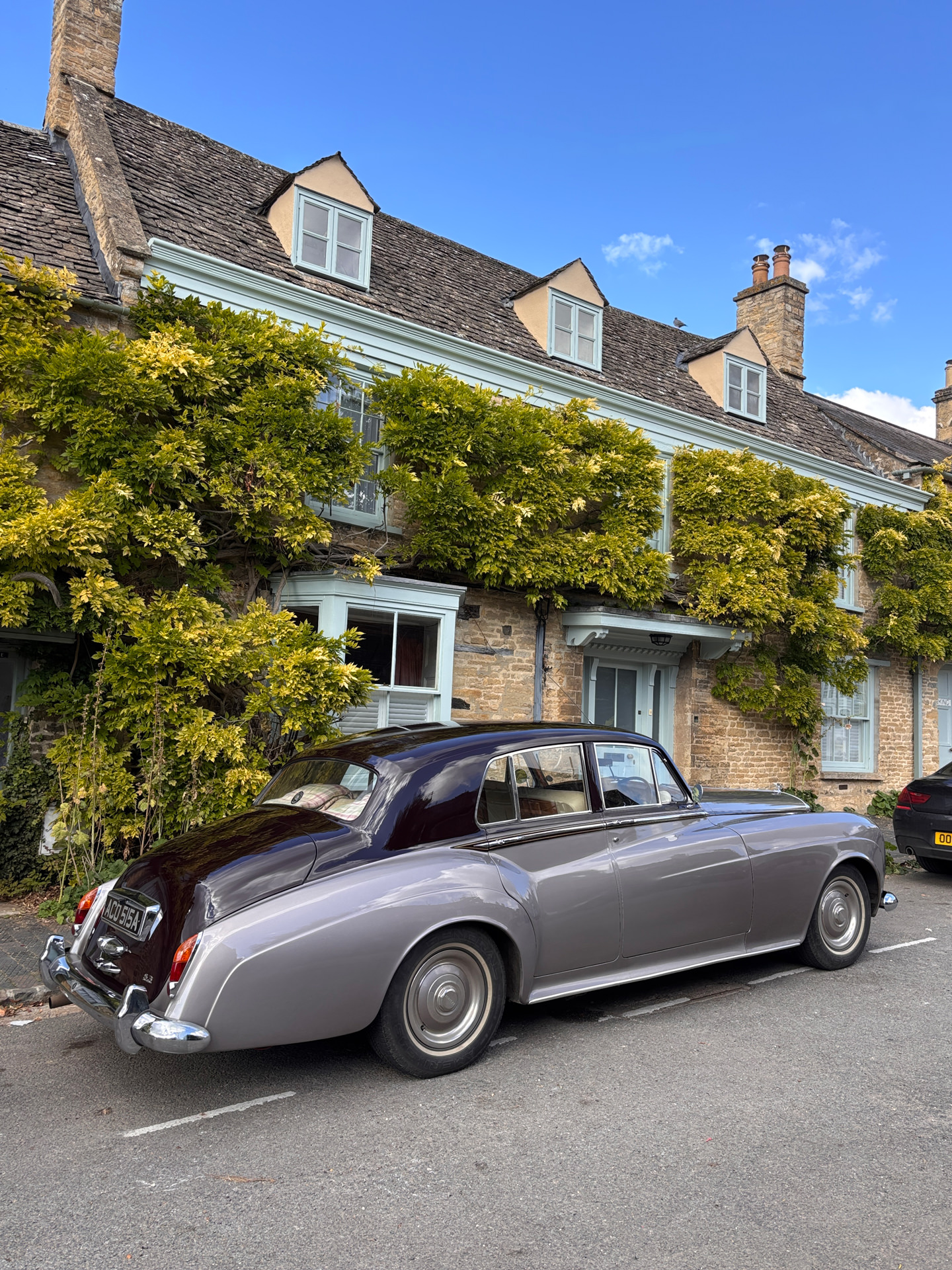
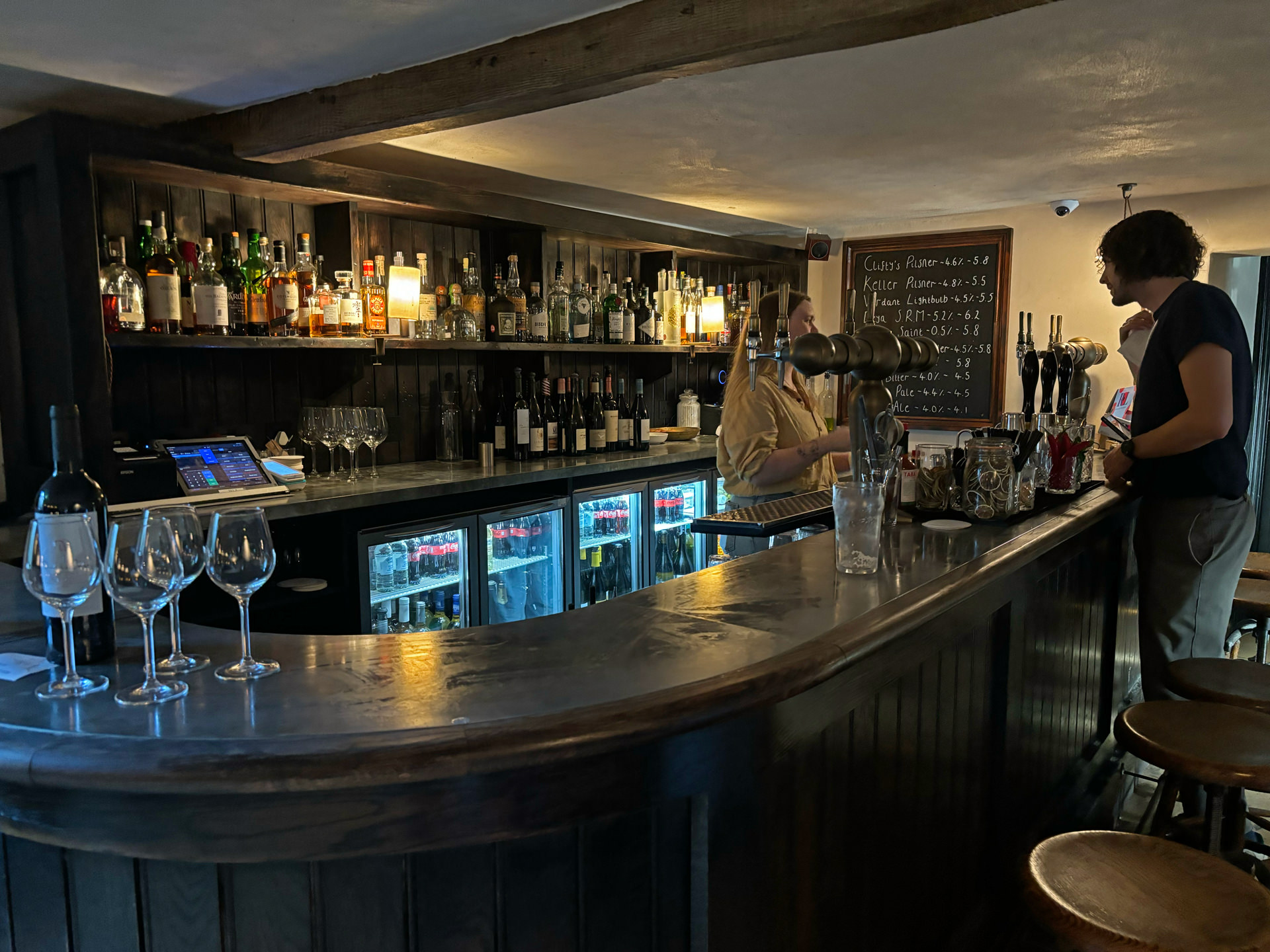
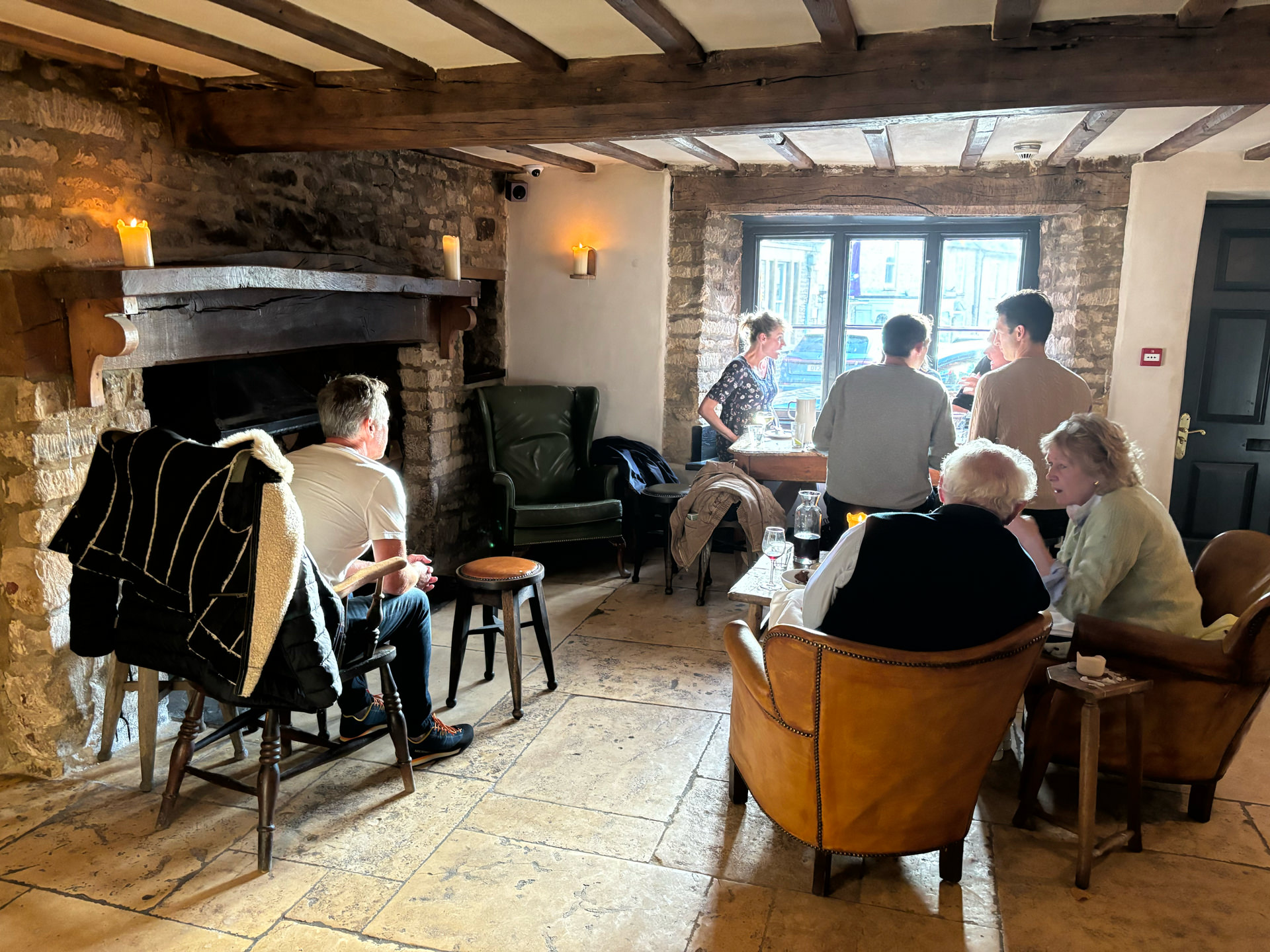
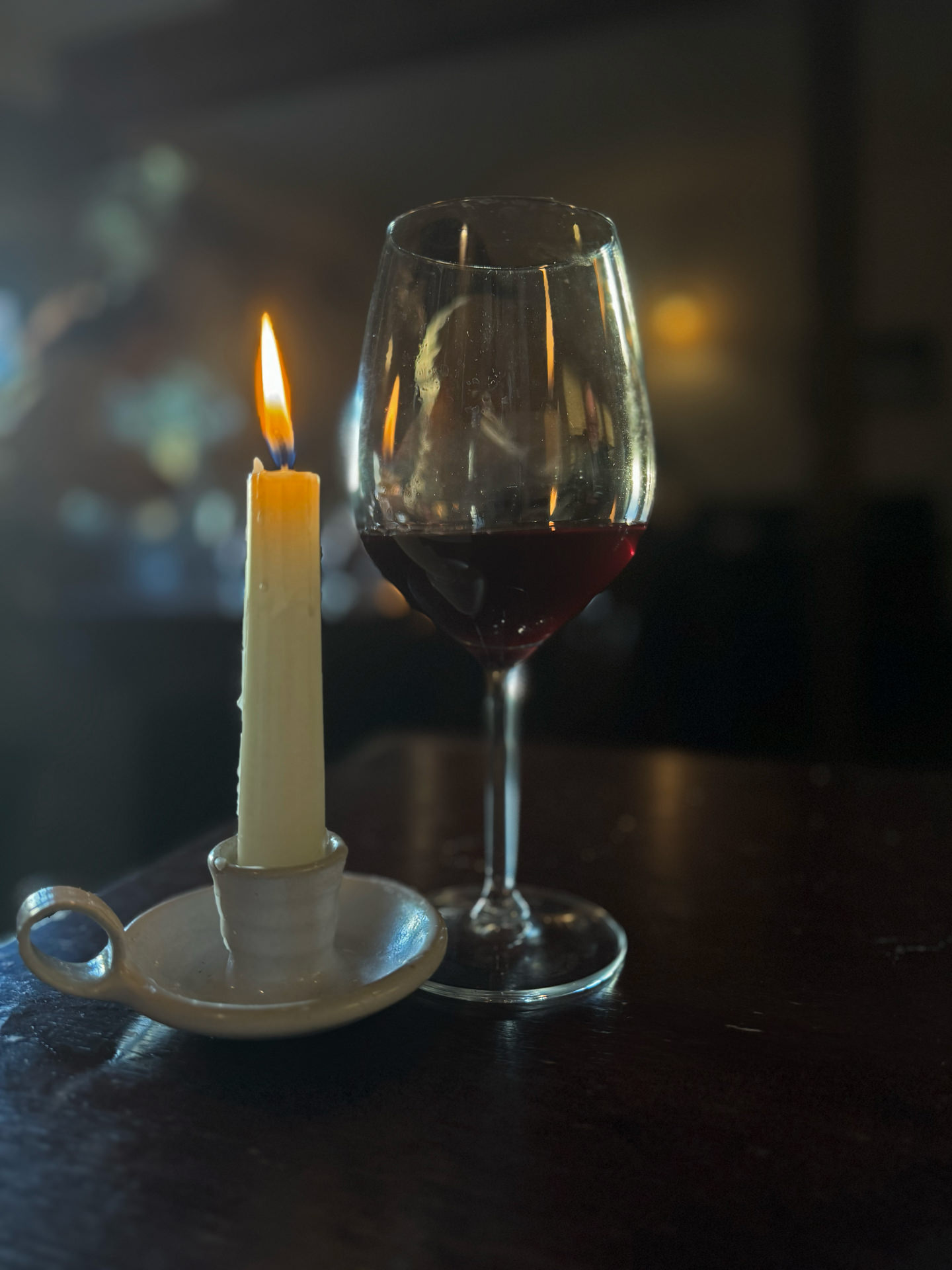
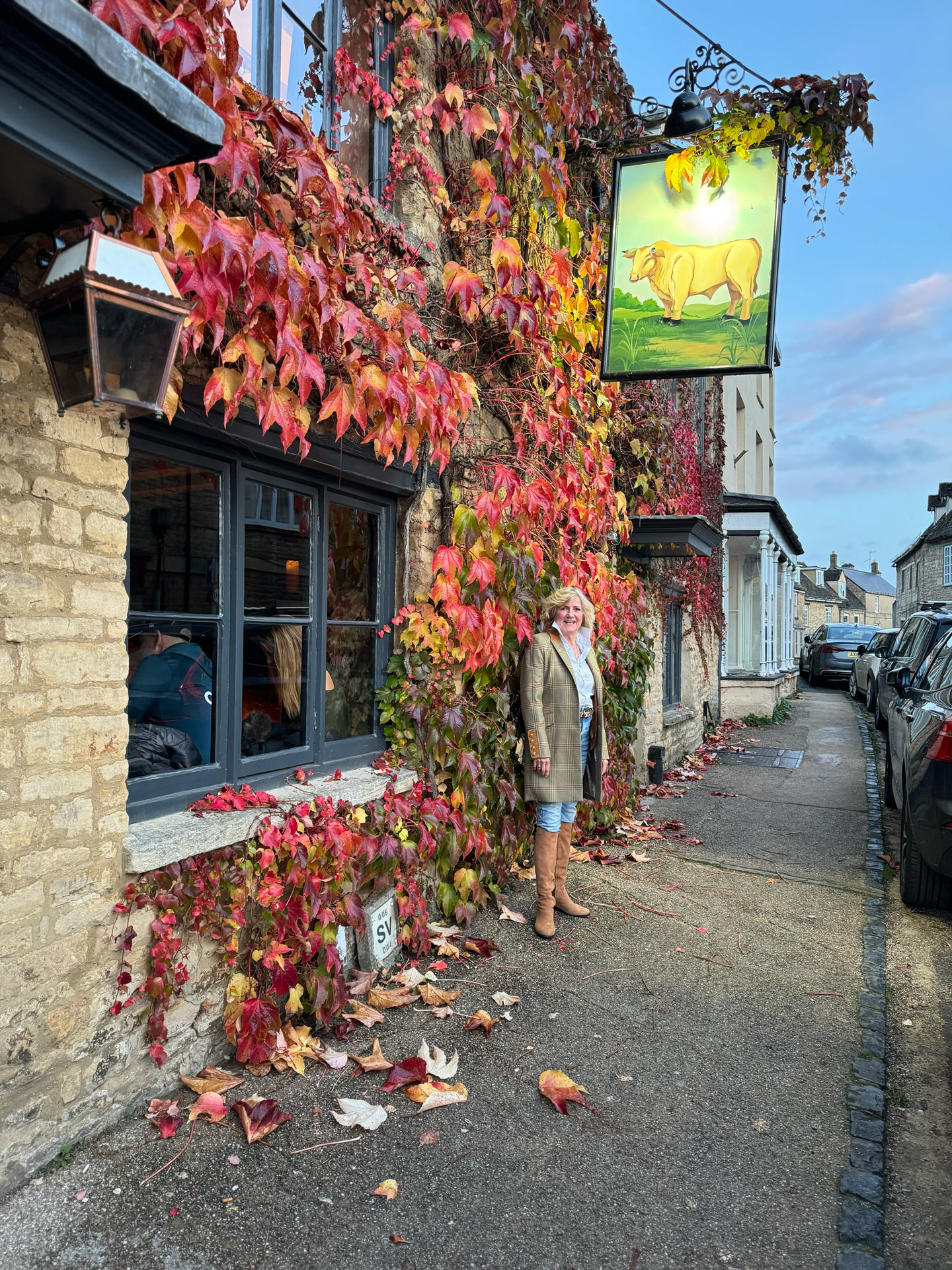
Charlbury’s centre rewards an unhurried walk: a working high street lined with stone buildings from the wool and glove-making eras, a handful of independent shops, and a strong community identity that shows in its two long-standing pubs (below) as much as its church and museum. The River Evenlode runs along the edge of the town, with watermeadows that host one of Charlbury’s more distinctive traditions, the Riverside Festival (see Charlbury’s Calendar, below).
Charlbury’s Calendar
Charlbury’s community calendar is unusually active for its size. The long-running Charlbury Beer Festival is held each summer at Charlbury Cricket Club, with dozens of cask ales and craft beers, live music and the locally beloved Aunt Sally World Championships — a traditional pub game unique to this part of England. In September, the Charlbury Street Fair takes over the town on the third Saturday of the month, a tradition dating back to the 1950s, with a children’s fancy dress parade and live bands running into the evening. In summer, the Charlbury Riverside Festival — a free open-air music festival held on a watermeadow that forms a natural island in the River Evenlode — has run in most years since 1996 and is thought to be the largest free festival of its kind in Oxfordshire.
Planning Your Visit
Charlbury is easily reached by train, with direct Great Western Railway services on the Cotswold Line linking it to both Oxford and London Paddington in around 70 to 90 minutes, and to Moreton-in-Marsh, Worcester and Hereford in the other direction — for guests who prefer not to drive, this makes Charlbury one of the more convenient bases in this part of the Cotswolds. By road, the town sits just off the A44 between Oxford and Evesham; from the M40, leave at Junction 8, follow the A40 around Oxford, then pick up the A44. The town has limited central parking, so travelling by train or arriving with a driver is often the more relaxed option, particularly during the Beer Festival, Street Fair or Wilderness Festival weekends.
Cornbury Park and the Wilderness Festival
On Charlbury’s doorstep lies Cornbury Park, a roughly 5,000-acre estate of farmland and ancient woodland — including a genuine remnant of Wychwood Forest — first recorded in the Domesday Book as a royal demesne forest used for deer hunting. The estate’s deer park has more recently become known as the home of the Wilderness Festival, a summer arts, music and culture event held each August that draws around 25,000 visitors; it took over the site after the earlier Cornbury Music Festival relocated to nearby Great Tew. For walkers, Cornbury Park also carries the only public right of way through this surviving pocket of Wychwood Forest, making it a rewarding target for a longer circular walk from the town.
Walking from Charlbury: Wychwood Forest and the Oxfordshire Way
Charlbury is a designated “Walkers are Welcome” town, and its position in the Evenlode Valley beneath Wychwood Forest makes it a natural base for walking rather than just a stop on the way through. The Oxfordshire Way, a long-distance path running from Bourton-on-the-Water to Henley-on-Thames, passes directly through the town along the Evenlode Valley, and a shorter circular route of a little over four miles uses part of the same waymarked path to the north-west. For a longer outing, the roughly seven-and-a-half-mile Charlbury to Wychwood Forest loop takes in genuine ancient woodland, while an eight-mile route from the old town centre follows the only public right of way into Wychwood Forest within Cornbury Park itself.
Ditchley Park: Churchill’s Secret Wartime Retreat
A few miles from Charlbury, near the village of Spelsbury, stands Ditchley Park, a country house built in 1722 to a design by James Gibbs. Bought in 1933 by Ronald Tree and redecorated by his wife Nancy Lancaster in partnership with Sibyl Colefax, the house is best known for its Second World War history: Winston Churchill used it as a secret weekend retreat on thirteen occasions between 1940 and 1943, when his official residence, Chequers, was judged too exposed to the risk of German attack. Visitors he hosted there included the American presidential envoy Harry Hopkins, during the effort to secure US support before America’s entry into the war. Ditchley was sold in 1949 and later given to the Ditchley Foundation, which still uses the house as a conference centre promoting Anglo-American relations, so it is best appreciated today as a piece of history to know about rather than a routine visitor attraction.
In Short
Charlbury earns its keep as more than a pretty stop on the railway line: a genuine market town with Quaker and glove-making history behind its stone facades, a Brunel station that is a small landmark in its own right, and the deer park and ancient woodland of Cornbury on its doorstep. It suits a relaxed half-day as easily as a full day of walking, and works well both as a first taste of this part of Oxfordshire and as a considered base for exploring the wider Cotswolds.
© Luxury Cotswold Rentals. Images © Luxury Cotswold Rentals, except where copyright remains with the original photographer or creator.