
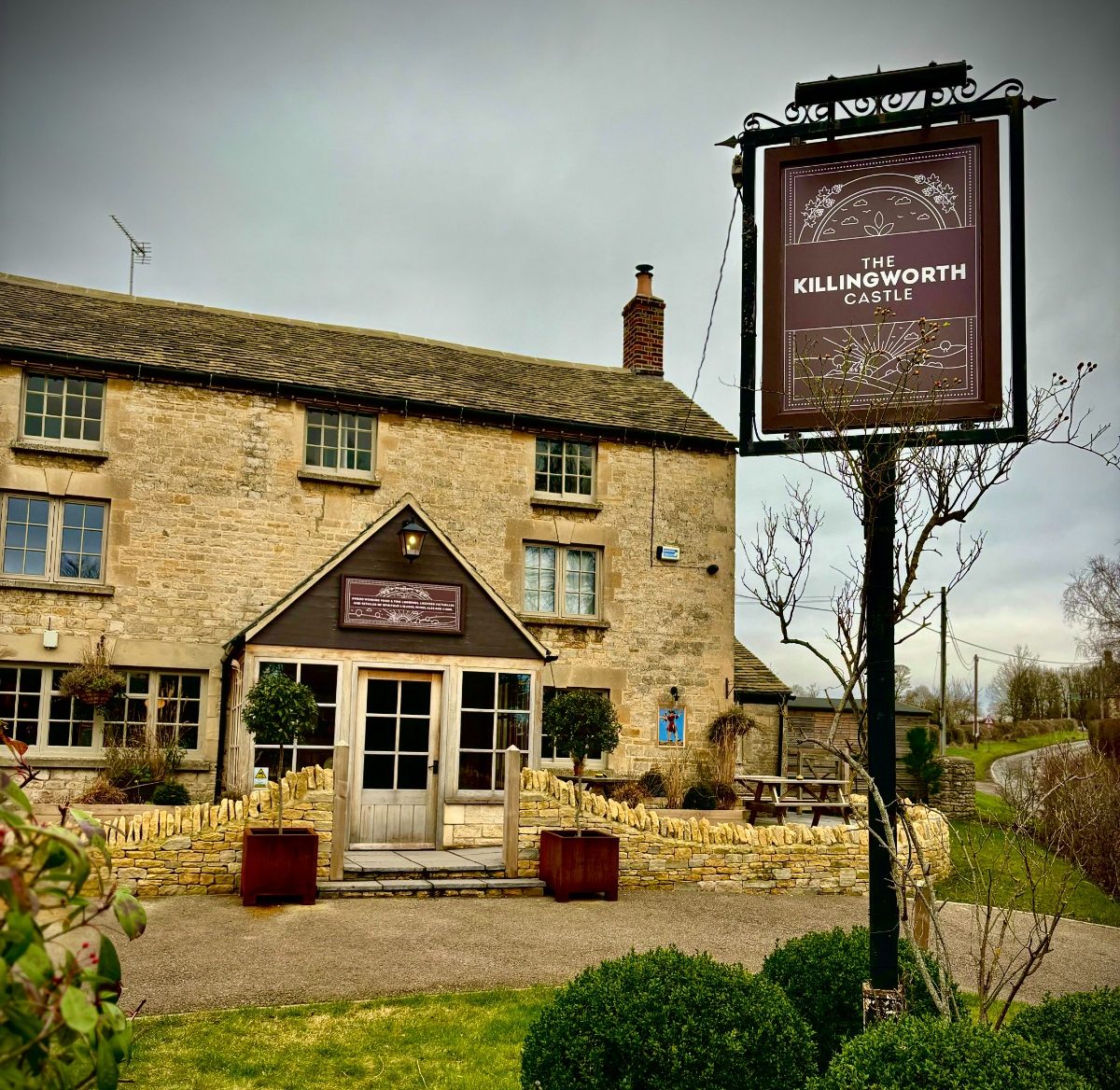
A successful Cotswolds stay begins long before you arrive.
The house matters, of course. A beautiful cottage, manor house, country home or private estate can define the atmosphere of the trip. But the best stays are shaped by more than the property alone. They depend on the right location, the right pace, the right season, the right travel plans and the right balance between exploring the region and enjoying the house itself.
The Cotswolds is not a single village or one fixed type of countryside. It is a wide and varied region of market towns, river valleys, rolling hills, gardens, country pubs, private estates, walking routes, historic houses and quiet lanes. A stay near Broadway will feel different from a stay near Burford, Tetbury, Cirencester, Painswick, Kingham or Woodstock. A romantic weekend has very different needs from a multigenerational summer holiday, a milestone birthday, a family reunion or an extended countryside stay.
This guide explains how to plan a Cotswolds stay properly, from choosing the right area and property type to thinking about transport, food, concierge, itineraries, seasons and longer stays.
Explore our collection of luxury cottages and country houses in the Cotswolds as you begin planning the right setting for your stay.
Start with the Purpose of the Stay
Before choosing a property, it helps to understand the purpose of the trip.
Some guests are planning a romantic escape. Others are bringing children, grandparents and extended family together. Some want a house for a milestone birthday, anniversary or private celebration. Others are visiting from overseas and want a classic English countryside experience as part of a wider trip. Some guests are looking for a short break, while others want to settle into the Cotswolds for two weeks, a month or longer.
The purpose of the stay should guide every decision that follows.
A couple may care most about atmosphere, restaurants, views and privacy. A family may need bedrooms arranged sensibly, a garden, nearby activities and a practical base. A large group may need entertaining space, parking, dining capacity and a house that works well for different generations. An extended stay may need comfort, storage, work space, reliable access to shops, good transport planning and a location that feels liveable, not just picturesque.
The Cotswolds can suit all of these stays, but not every property or location will suit every guest.
The first question is not simply, “Which is the prettiest house?”
It is, “What kind of stay are we trying to create?”
Choose the Right Part of the Cotswolds
The Cotswolds is larger and more varied than many visitors expect. Choosing the right area can make the difference between a stay that feels effortless and one that involves too much driving.
For first-time visitors, the North and Central Cotswolds are often attractive because they place many of the best-known villages, market towns, pubs, gardens and viewpoints within relatively easy reach. Areas around Stow-on-the-Wold, Broadway, Chipping Campden, Kingham, Burford and the surrounding villages offer a classic Cotswolds experience.
For guests who want a slightly quieter, more understated stay, the South Cotswolds can be especially rewarding. Tetbury, Painswick, Minchinhampton, Nailsworth, Stroud and nearby valleys offer gardens, arboretums, commons, market towns and a more local rhythm.
For guests combining the Cotswolds with Oxford, Blenheim Palace, London or Heathrow, the Oxfordshire side of the Cotswolds can be practical and elegant. Woodstock, the Wychwoods, Great Tew, Chipping Norton and surrounding villages can work well for those who want good access without sacrificing countryside character.
For families or longer stays, areas near Cirencester, Burford, the Coln Valley, Fairford and Cotswold Water Park can offer a useful mix of beauty, amenities, outdoor space and day-trip variety.
Rather than trying to stay “in the middle of everything”, choose the area that best matches your priorities:
- Classic villages and first-time Cotswolds appeal
- Food, pubs and relaxed countryside
- Gardens, arboretums and southern landscapes
- Family activities and lakes
- Oxfordshire access and heritage
- Walking, views and hilltop countryside
- Peace, privacy and a slower pace
The right base should make the trip feel easier, not simply look attractive on a map.
Decide What Type of Property You Need
The Cotswolds offers many different types of private stays, from intimate cottages to large country houses and estates. Choosing the right type of property is one of the most important planning decisions.
A romantic cottage may be perfect for two guests who want privacy, character and a beautiful setting. A larger family house may suit school holidays, grandparents, children and relaxed meals together. A manor house or country house may be better for milestone birthdays, anniversaries, celebrations and multigenerational gatherings. A private estate may be ideal for guests seeking greater privacy, grounds, space and a more complete countryside experience.
Think carefully about how the house will actually be used.
Will everyone eat together? Do you need a dining room that seats the whole group comfortably? Will children need a playroom, garden or pool? Will grandparents need ground-floor bedrooms or easier access? Will guests want separate sitting areas? Do you need office space for a longer stay? Will you be hosting a private chef? Is the kitchen suitable for entertaining? Is outdoor dining important? Do you want to be in a village, or would you prefer open countryside?
The best property is not always the largest or most dramatic. It is the one that supports the way your group wants to spend time.
For longer stays, practical details become even more important. Storage, laundry, workspace, nearby shops, comfortable living areas, parking and everyday convenience matter more over two weeks or two months than they might over a weekend.
Browse our Cotswolds property collection to compare cottages, country houses, manor houses and larger private homes across the region.
Think Carefully About Length of Stay
The Cotswolds can work beautifully for a weekend, but it also rewards longer stays.
A two-night stay can be enough for a romantic break, a special dinner, a short walking weekend or a first taste of the region. The key is not to overplan. Choose one strong base, one or two nearby places to explore and leave time to enjoy the house.
A three-night or long weekend stay allows a more relaxed rhythm. You might include a market town, a village walk, a garden, a pub lunch and a private dinner without the trip feeling rushed.
A five-night or week-long stay gives you time to experience the Cotswolds properly. You can explore different villages, enjoy the property, take a few slower days, book a private chef, visit gardens, walk, shop, and enjoy local restaurants without trying to do everything at once.
A two-week stay changes the experience again. The Cotswolds becomes less of a trip and more of a temporary home. You can settle into local routines, revisit favourite pubs, discover quieter villages, spend proper time in the garden, entertain friends and explore different areas at a natural pace.
For guests staying a month or longer, the property and location need to work day to day. The stay may include remote working, family time, school holidays, visiting friends, regular housekeeping, private chefs, local shopping, personal trainers, wellness treatments, drivers, childcare or a more residential style of planning.
A longer Cotswolds stay should never feel like a stretched-out weekend. It should feel like a private countryside lifestyle, carefully supported.
Plan the Pace, Not Just the Places
One of the most common mistakes when planning a Cotswolds stay is trying to see too much.
The region is full of beautiful places, but it is not best experienced as a checklist. Moving quickly between villages, gardens, pubs and viewpoints can make the trip feel fragmented. The Cotswolds is more rewarding when the pace is slower.
A well-planned day might include one main outing, one good meal and time back at the house. That may sound simple, but it is often the most satisfying rhythm.
For example:
- A morning walk near Broadway followed by lunch and an afternoon at the property
- A visit to Hidcote or Kiftsgate, then a slow evening in the garden
- A riverside walk through the Slaughters followed by a private dinner
- A family day at Cotswold Water Park, then a relaxed barbecue or chef-prepared meal
- A morning in Burford or Stow-on-the-Wold, then time by the fire in winter
- A quiet day at the house between more active days out
The best itineraries allow space. This is especially important for international guests, families and larger groups. People may be adjusting to travel, different time zones, children’s routines, weather changes or mixed energy levels.
A private Cotswolds house gives you the freedom to slow down. Use that freedom.
Consider the Season
The season will shape your stay more than you may expect.
Spring is excellent for gardens, blossom, fresh countryside, village walks and quieter weekends. It suits couples, garden lovers and guests who want beauty without peak summer busyness.
Summer is ideal for family holidays, outdoor dining, riverside walks, long evenings, garden parties and larger group stays. It is also one of the busiest times in famous villages, so planning matters.
Autumn is one of the most atmospheric seasons in the Cotswolds. It is strong for walking, arboretums, woodland colour, food-led weekends, cosy pubs and country-house stays.
Winter is quieter, more intimate and particularly well suited to private houses. Fireside dinners, Christmas gatherings, New Year stays, short countryside walks and slow weekends can all work beautifully.
The right property can change with the season. In summer, gardens, terraces, pools and outdoor dining may be priorities. In winter, sitting rooms, fireplaces, dining space and a cosy atmosphere may matter more. In spring and autumn, you may want the best of both: access to nature, but interiors that still feel warm and inviting.
For extended stays, seasonality becomes even more important. A two-month summer stay may be built around gardens, family time and outdoor living. A longer autumn or winter stay may need stronger indoor spaces, excellent local amenities and a location that remains practical even when the weather is less predictable.
Plan Transport Before You Arrive
Transport is one of the most important practical considerations in the Cotswolds.
The region is rural, and while some towns have train access, many of the most beautiful villages, houses, pubs and viewpoints are easiest to reach by car. This does not mean every guest needs to drive themselves, but it does mean transport should be considered early.
For UK guests, driving is often the simplest option, especially for families, dogs, luggage and food shopping.
For guests arriving from London, Oxford, Bath, Heathrow or other airports, the best option may be a private transfer, hire car, chauffeur arrangement or a combination of train and driver.
For international guests, especially those not used to driving on the left or navigating narrow country lanes, a private driver or arranged transport can make the stay feel much more relaxed.
For longer stays, transport planning becomes more practical. You may want a hire car for everyday flexibility, plus occasional drivers for dinners, airport collections, events or day trips. You may also want to think about grocery access, local taxi availability, parking at the house and how easily guests can come and go independently.
The key is to match transport to the style of stay:
- A romantic weekend may only need a transfer and a few local bookings
- A family holiday may benefit from a car
- A celebration group may need coordinated arrivals and evening transport
- A longer stay may require a more flexible transport plan
- Overseas guests may prefer support rather than self-driving throughout
The Cotswolds feels effortless when transport is planned in advance.
Build Food and Dining Into the Stay
Food is central to many Cotswolds stays.
The region is known for country pubs, farm shops, restaurants, local produce, private chefs, long lunches and relaxed entertaining. For guests staying in a private house, dining can become one of the defining parts of the experience.
Before you arrive, think about how you want to eat.
Do you want to cook for yourselves? Would you like a fully stocked kitchen on arrival? Are you planning a special dinner? Would a private chef make the stay feel easier? Do you need pub reservations for a large group? Are there children, dietary requirements or different preferences within the party?
For short stays, it is usually worth booking key meals in advance. Popular pubs and restaurants can fill quickly, especially at weekends and during peak seasons.
For week-long and extended stays, a more flexible dining plan works better. You may want a mixture of pub lunches, private chef dinners, relaxed meals at the house, local produce, farm shop visits and a few restaurant bookings.
For celebration stays, food should be planned around the occasion. A private dinner, drinks in the garden, a birthday lunch, a relaxed Sunday meal or a chef-prepared family supper can often be more memorable than trying to take a large group out every evening.
Our Cotswolds concierge service can help with private chefs, restaurant guidance, local experiences and tailored arrangements.
Think About Who Is Travelling
Different guests need different types of planning.
Couples
Couples often want atmosphere, privacy, restaurants, walks, gardens and a beautiful setting. A smaller cottage, village base or peaceful countryside property can work well, depending on the mood of the trip.
Families
Families need ease. Bedrooms, bathrooms, garden space, kitchen layout, nearby activities, travel times and practical amenities all matter. The best family stays avoid overplanning and allow children time at the house.
Multigenerational groups
Multigenerational stays need balance. Some guests may want long walks, while others prefer gardens, shopping, reading or relaxing. Choose a house with enough space, comfortable shared areas and activities nearby for different energy levels.
Celebration groups
Milestone birthdays, anniversaries, reunions and private gatherings need careful thought. Dining space, entertaining areas, parking, noise considerations, catering, transport and the overall flow of the house become especially important.
International guests
International visitors may need more practical context: where to fly into, whether to drive, how far villages are from one another, how to combine the Cotswolds with London or Oxford, and how to plan without rushing.
Extended-stay guests
Guests staying for two weeks, a month or longer need the property to function as a home. Comfort, housekeeping, laundry, workspace, local shops, reliable transport, storage and a liveable location become essential.
Planning well means considering the people first, then choosing the property and itinerary around them.
Decide Whether You Want a Village, Market Town or Countryside Base
Where the property sits will shape the whole stay.
A village base can be charming, atmospheric and convenient if you want walks, pubs or local life nearby. It suits guests who enjoy stepping out into a beautiful setting and being close to the character of the Cotswolds.
A market town base offers more amenities, shops, restaurants and practical access. Burford, Stow-on-the-Wold, Chipping Campden, Cirencester, Tetbury, Woodstock and Winchcombe all offer different versions of this.
A countryside base offers privacy, views, gardens and space. This can be ideal for families, larger groups, celebrations and guests who want the house itself to feel like the main event.
There is no single best option. The right choice depends on how you want each day to feel.
If you want to walk to pubs and shops, look close to a village or market town.
If you want privacy, grounds and a stronger sense of escape, choose countryside.
If you are staying longer, consider whether you will want easy access to shops, fitness, cafés, restaurants and day-to-day amenities.
If you are hosting a celebration, think about how guests will arrive, where they will park, how meals will work and whether the setting suits the occasion.
The best Cotswolds base is not necessarily the most famous. It is the one that makes your stay feel natural.
Use Concierge to Make the Stay Feel Effortless
Concierge should not be seen as an optional extra only for elaborate requests. Used well, it can make a Cotswolds stay smoother, more personal and more memorable.
For a short stay, concierge might help with restaurant bookings, arrival provisions, transport and one special experience.
For a family holiday, it might support childcare, activities, private chefs, food deliveries, local recommendations, riding, cycling, wellness or rainy-day ideas.
For a celebration, it might include chefs, florists, drinks, entertainment, transport, table styling, cakes, spa treatments, photography or a carefully planned itinerary.
For an extended stay, it may become more practical: housekeeping, regular food planning, personal training, wellness treatments, ongoing transport, local services and recommendations that help the house feel like home.
For international guests, concierge can be particularly valuable because it reduces uncertainty. Rather than trying to research everything from abroad, guests can rely on local knowledge to shape the stay around the right places, timings and experiences.
The best concierge support is not about filling every day. It is about making the important parts work beautifully.
Plan for Time at the House
One of the biggest advantages of booking a private Cotswolds property is that the house is part of the experience.
This sounds obvious, but many guests still plan as though the property is simply a place to sleep. In reality, the best private-house stays leave time to enjoy the house properly.
That may mean breakfast in the garden, a long lunch at the dining table, children playing outside, drinks by the fire, a film night, a private chef dinner, a slow morning after a celebration or a day where nobody needs to go anywhere.
For larger houses and estates, this is even more important. If the property has gardens, views, games rooms, pools, terraces, outdoor dining, beautiful interiors or generous entertaining space, the itinerary should allow guests to enjoy them.
For longer stays, the house becomes the anchor. It should support daily life as well as special moments. Guests may settle into routines, host friends, work remotely, cook, rest, explore and return to favourite local places.
A successful Cotswolds stay is not measured by how many villages you visit. It is measured by how well the house, landscape and itinerary work together.
How to Plan a Weekend Cotswolds Stay
For a weekend stay, simplicity is key.
Choose a property in an area that gives you enough nearby interest without requiring long drives. Plan one strong meal, one scenic walk or village visit, and one relaxed period at the house.
A weekend might include:
- Friday arrival and a relaxed dinner
- Saturday morning walk or market town visit
- Saturday lunch in a country pub
- Afternoon at the house
- Private dinner or restaurant booking
- Sunday slow breakfast and short local outing before departure
Avoid trying to see the whole region in two nights. A weekend should feel restorative, not rushed.
How to Plan a Week-Long Cotswolds Stay
A week gives you time to enjoy the region properly.
You can divide the stay between village exploring, gardens, walks, food, family activities and time at the house. Build in lighter days between more active ones, especially for families and larger groups.
A week might include:
- One classic village day
- One garden or arboretum visit
- One walking or nature-led day
- One market town and shopping day
- One private chef evening
- One family activity or special experience
- One quiet day at the house
This rhythm gives variety without turning the stay into a schedule.
How to Plan a Two-Week or Extended Cotswolds Stay
A longer stay should feel more relaxed and more lived-in.
Rather than planning every day in advance, create a loose structure. Book key meals, special experiences and any must-do activities, but leave space for local discoveries, slow mornings and changes in weather.
For a two-week stay, you might explore the Cotswolds in sections: North Cotswolds villages, Oxfordshire estates, the Coln Valley, South Cotswolds gardens, market towns, riverside places and quieter countryside.
For a month or two, the focus shifts towards quality of life. The right property needs to feel comfortable for daily living. Local shops, restaurants, work areas, outdoor space, housekeeping, transport and reliable support become more important.
An extended stay might include:
- Regular housekeeping
- A private chef once or twice a week
- Grocery deliveries or stocked provisions
- A local fitness or wellness routine
- A few planned day trips
- Restaurant bookings for key evenings
- Time for guests to visit
- Quiet days with no formal plans
The aim is to create a private Cotswolds base that feels effortless over time.
Common Planning Mistakes to Avoid
The most common mistake is overplanning.
The Cotswolds looks compact on a map, but rural roads, parking, village layouts and group logistics can make days feel longer than expected. Trying to visit too many places in one day can reduce the quality of the experience.
Another mistake is choosing a property only by appearance. A house may be beautiful, but the layout, location, access, bedrooms, dining space and practical details matter just as much.
Guests also sometimes underestimate the importance of restaurant bookings, especially for weekends, school holidays and larger parties.
Transport can be another issue. If you are not driving, or if some guests are arriving separately, plan carefully.
For international visitors, the biggest mistake is often treating the Cotswolds as a quick stop between London and somewhere else. It can be visited briefly, but it is much better experienced as a proper stay.
For extended stays, the key mistake is failing to think about daily life. A two-month stay needs more than charm. It needs comfort, convenience and support.
Questions to Ask Before Booking
Before choosing your Cotswolds property, ask:
- What is the main purpose of the stay?
- How many guests are travelling?
- Are there children, older guests or accessibility needs?
- How many bedrooms and bathrooms are genuinely required?
- Do we want to be in a village, market town or open countryside?
- How much driving are we comfortable with?
- Are we planning to cook, eat out or use a private chef?
- Do we need outdoor dining, gardens, a pool or entertaining space?
- Is the property suitable for the season?
- Will the stay be a weekend, week, two weeks or longer?
- Do we need workspace or longer-stay practicalities?
- What experiences would make the trip feel special?
- What should be arranged before arrival?
The clearer these answers are, the easier it becomes to choose the right house.
Planning Your Stay with Luxury Cotswold Rentals
Luxury Cotswold Rentals brings together exceptional private homes, detailed local knowledge and a highly personal concierge service to help guests experience the Cotswolds in a way that feels tailored rather than generic.
Whether you are planning a romantic weekend, a family holiday, a milestone celebration, a multigenerational gathering, an international trip or an extended countryside stay, the right guidance can help shape the experience from the beginning.
That may mean choosing the best area, selecting the right property, planning transport, arranging a private chef, booking restaurants, suggesting local experiences, preparing the house for arrival or helping you understand how to make the most of the region without overcomplicating the trip.
Explore our Cotswolds concierge service or browse our luxury Cotswolds properties to begin planning your stay.
Our View: The Best Cotswolds Stays Are Carefully Chosen, Not Overplanned
The most memorable Cotswolds stays usually have a simple structure.
A beautiful house. The right location. A considered pace. A few excellent meals. Some time outside. Local knowledge. Space to gather. Space to rest. Enough planning to make things easy, but not so much that the stay feels rigid.
For short breaks, that means choosing well and resisting the urge to do too much.
For week-long holidays, it means balancing outings with time at the property.
For extended stays, it means creating a home-like rhythm supported by comfort, service and practical planning.
The Cotswolds rewards guests who slow down. The right private house allows you to do exactly that.
Conclusion
Planning a luxury Cotswolds stay is about bringing together property, place, people and pace.
The right house should suit the purpose of the trip, whether that is a romantic weekend, family holiday, celebration, multigenerational gathering, international visit or extended stay. The right location should make the region feel accessible without forcing too much travel. The right itinerary should include enough structure to feel thoughtful, but enough space to enjoy the house and countryside properly.
The Cotswolds offers villages, market towns, gardens, rivers, walking routes, country pubs, private estates and peaceful landscapes. But the best way to experience it is not by rushing through everything. It is by choosing the right base and allowing the stay to unfold naturally.
Explore our collection of luxury cottages, manor houses and private country homes across the Cotswolds and begin planning a stay shaped around the people, season, occasion and countryside experience that matter most to you.