Animals and Highlights
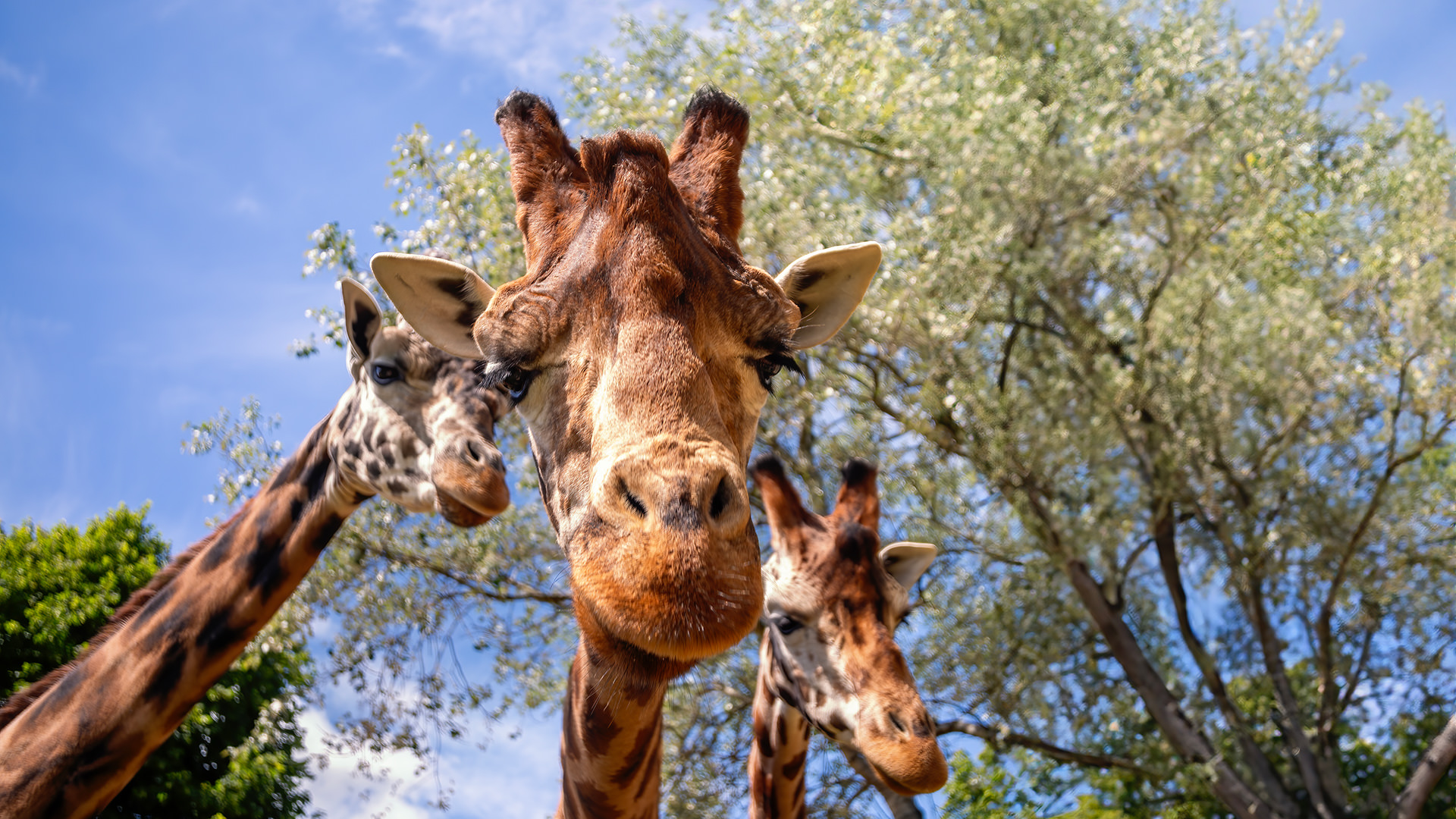
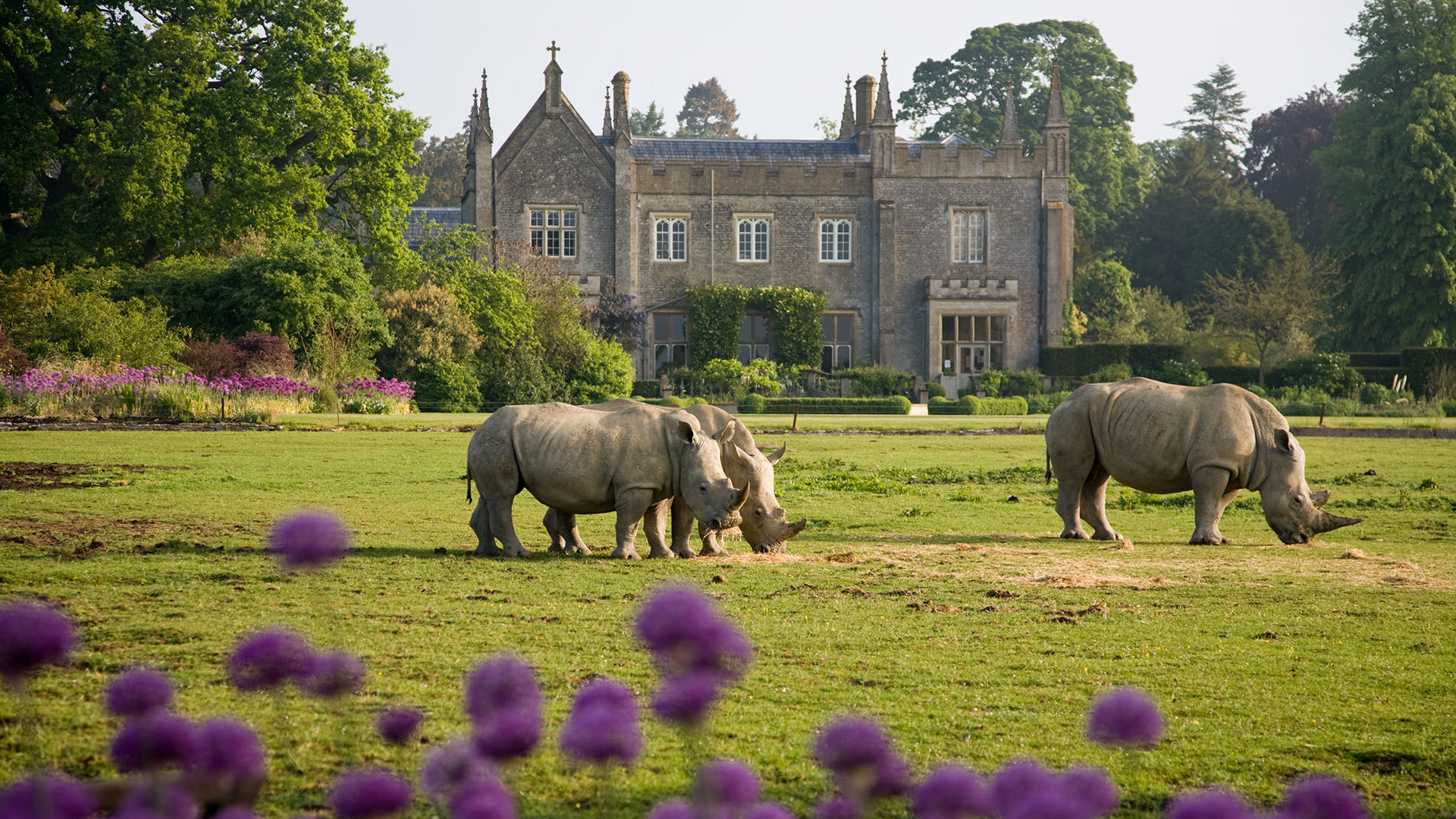
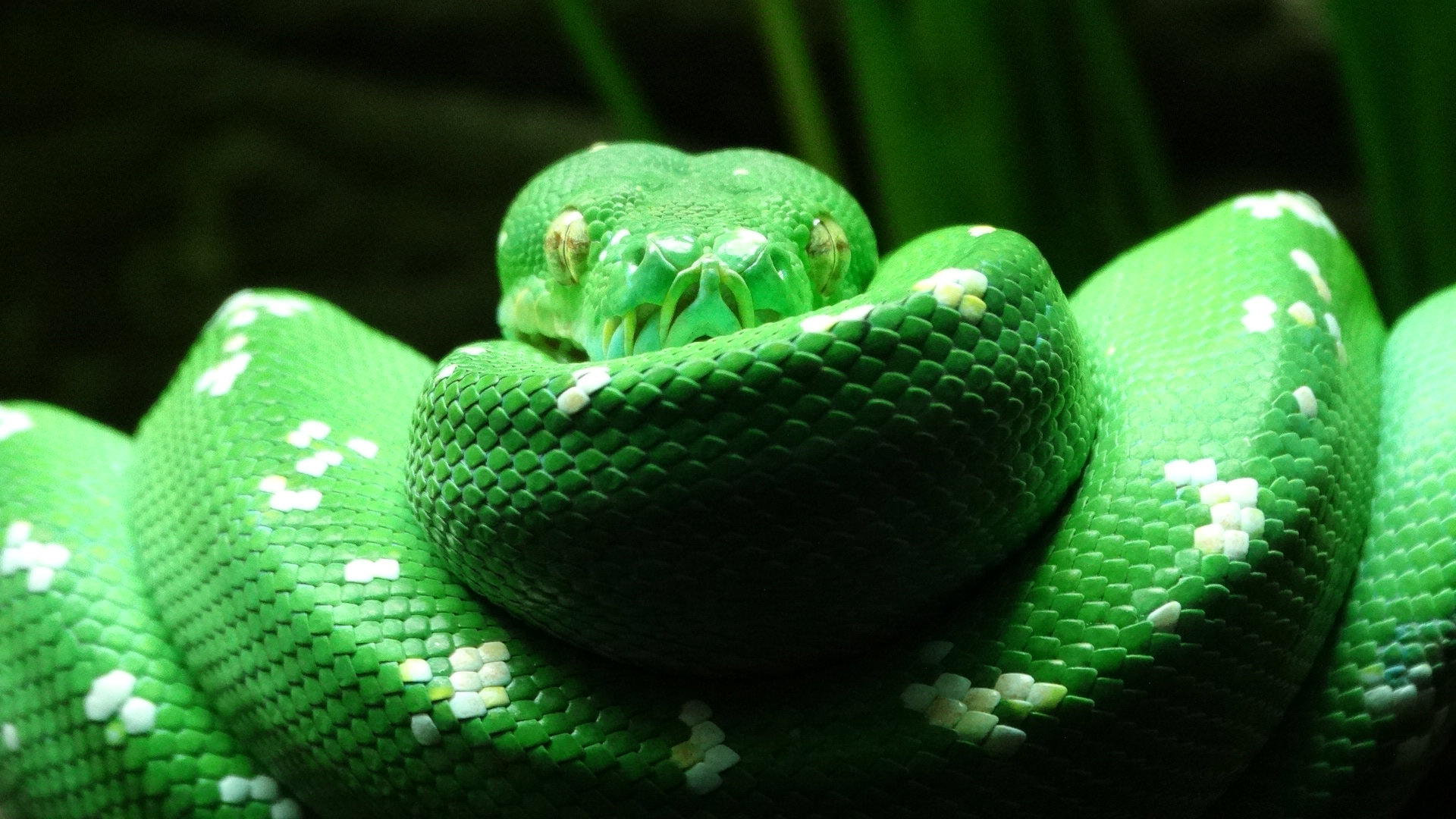
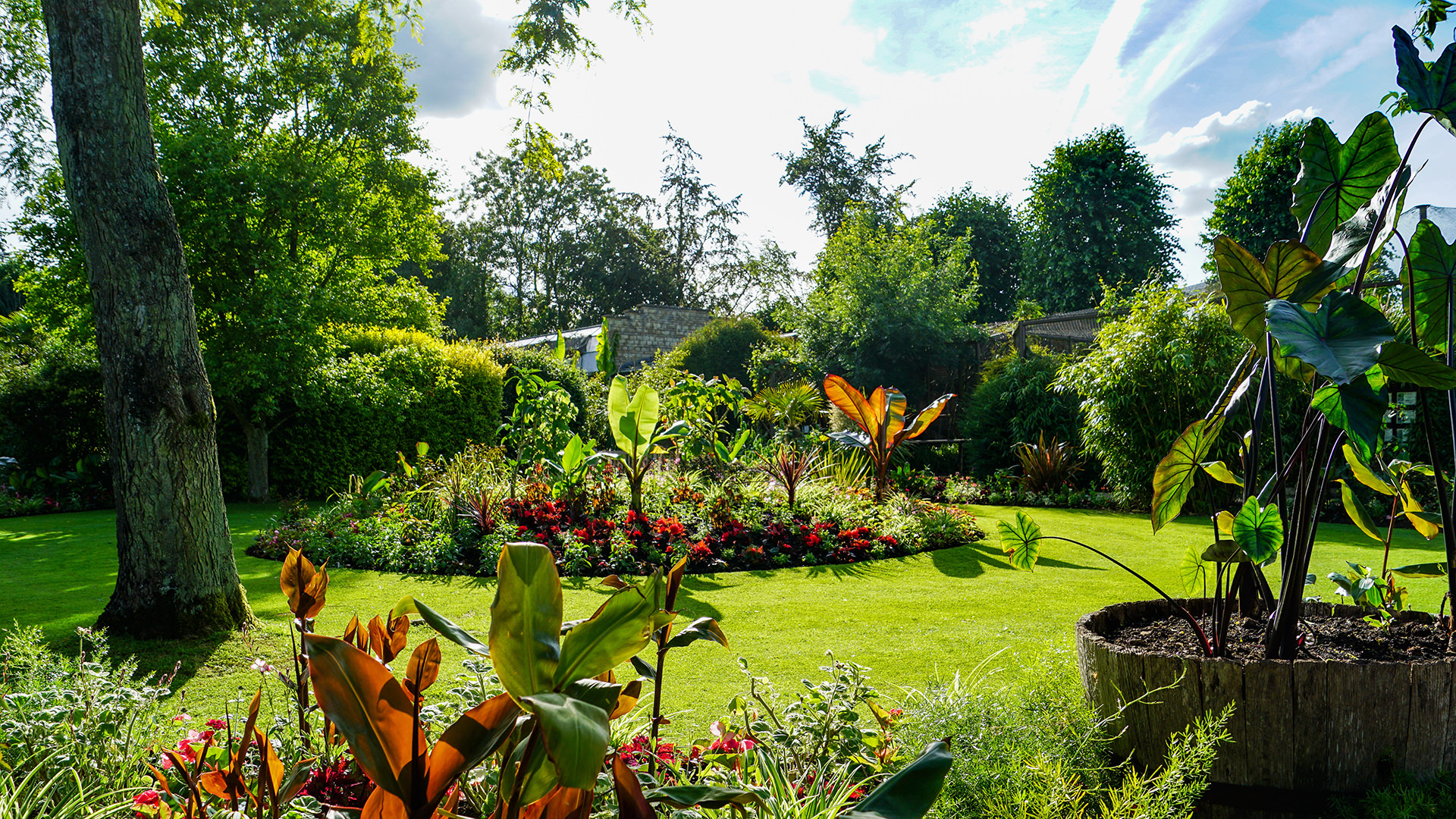
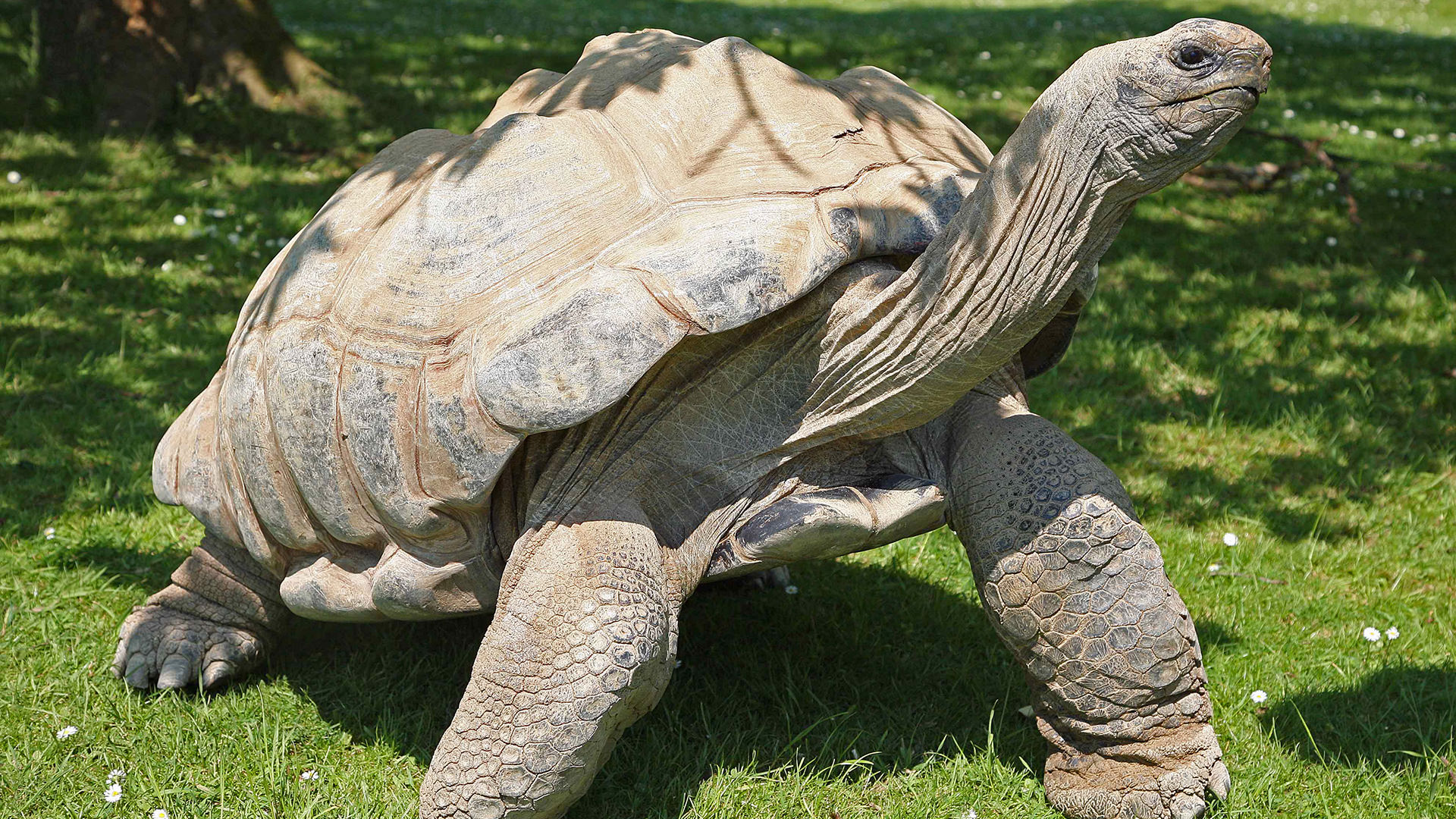
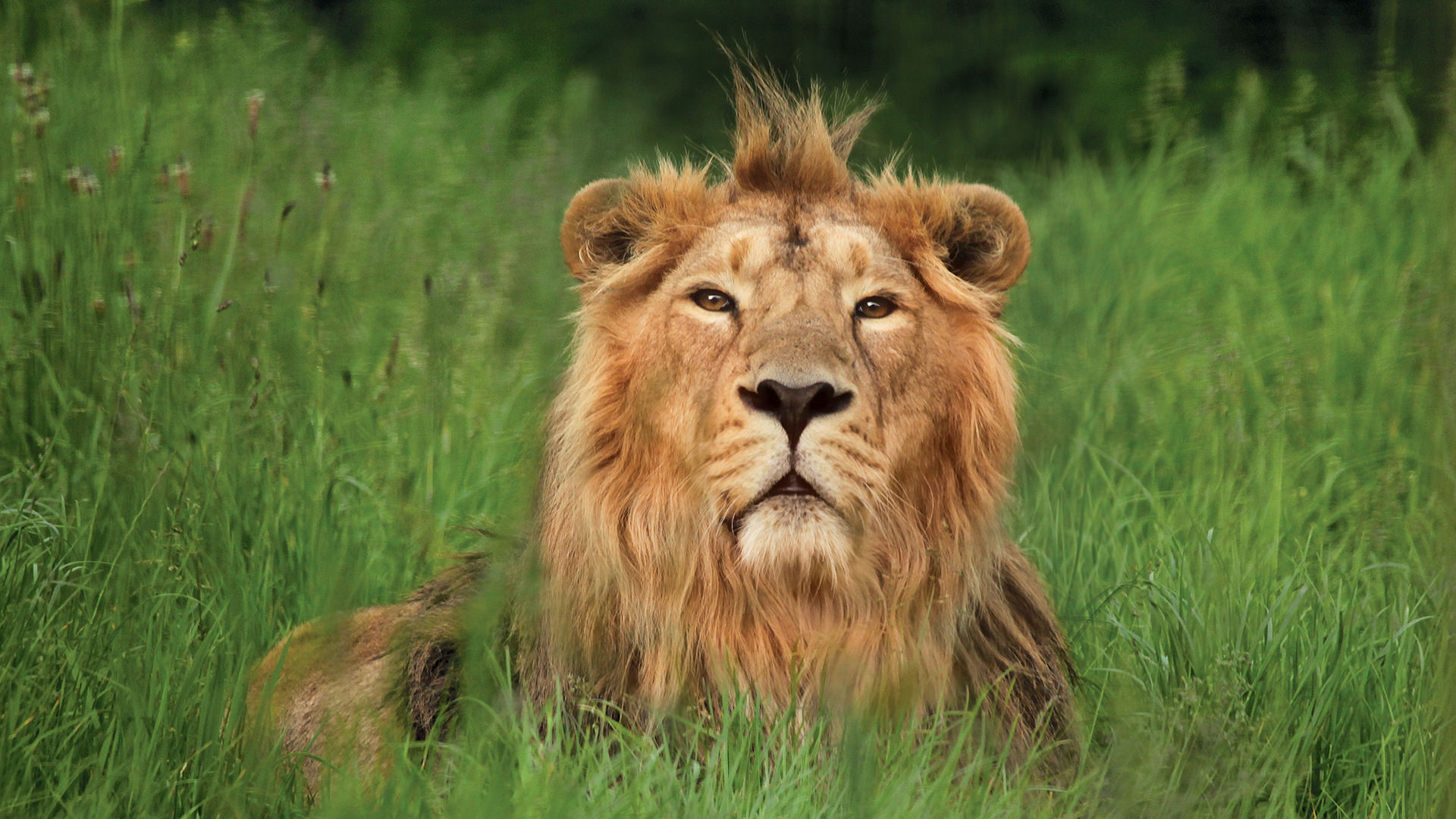
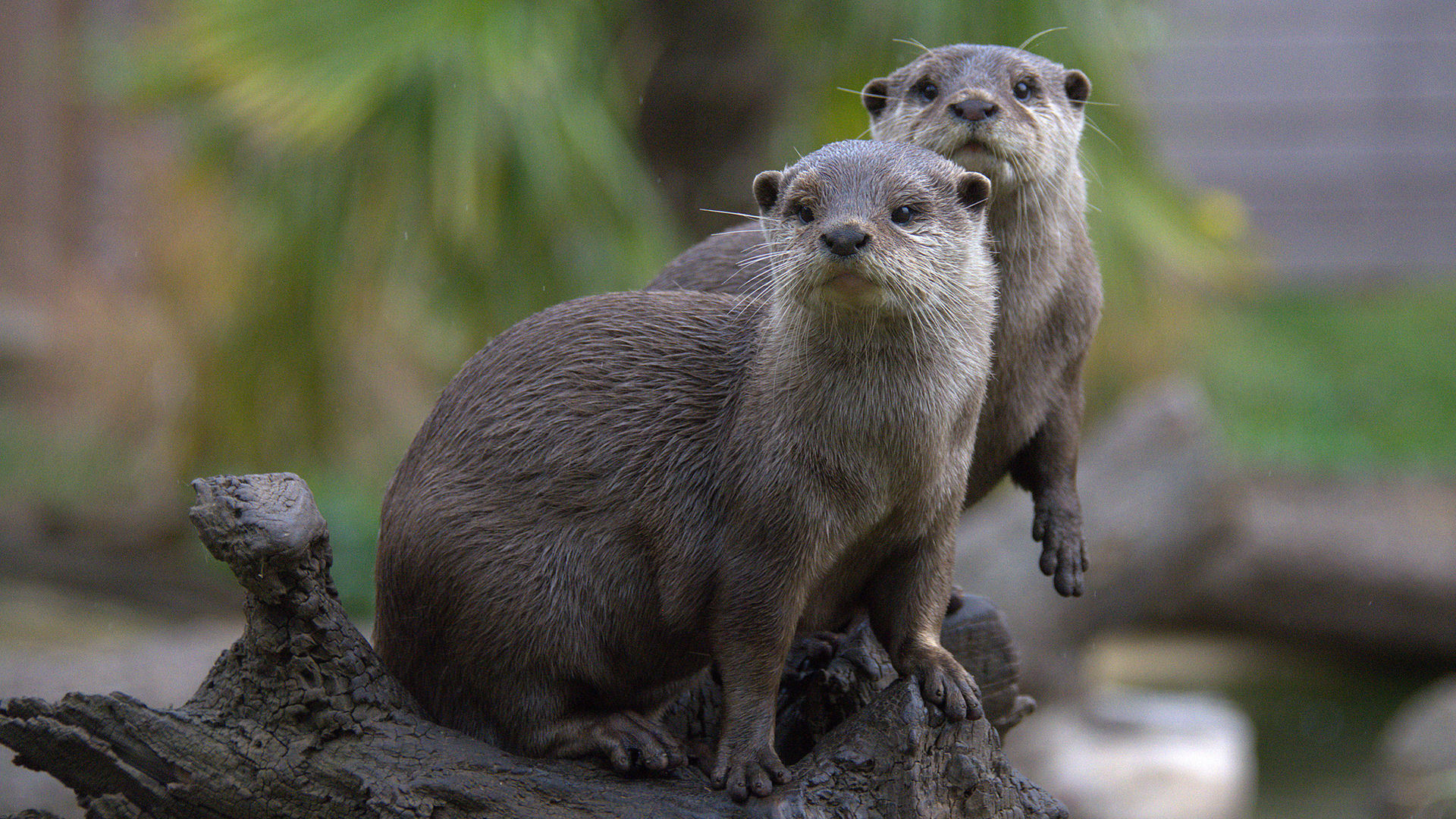
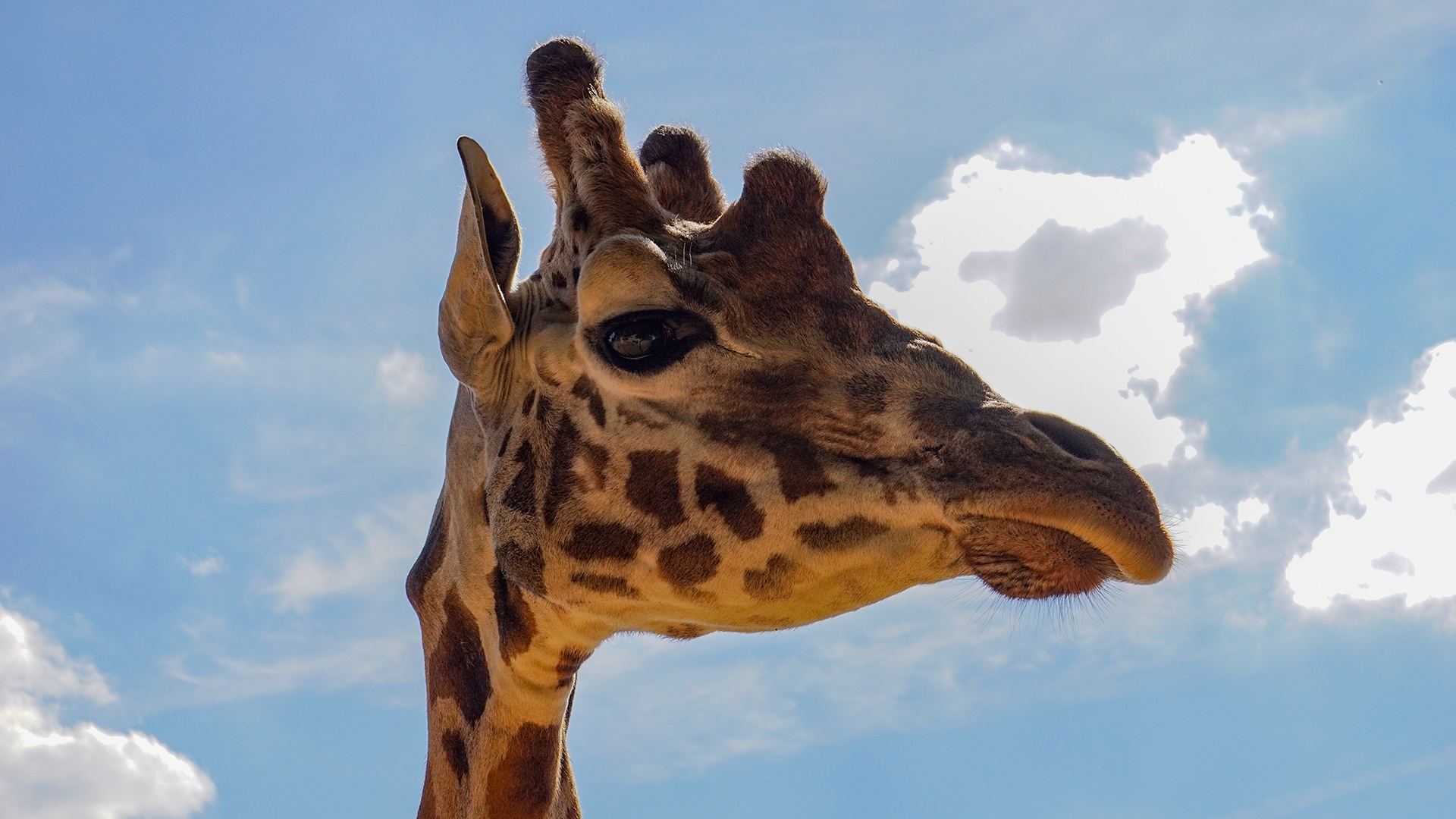
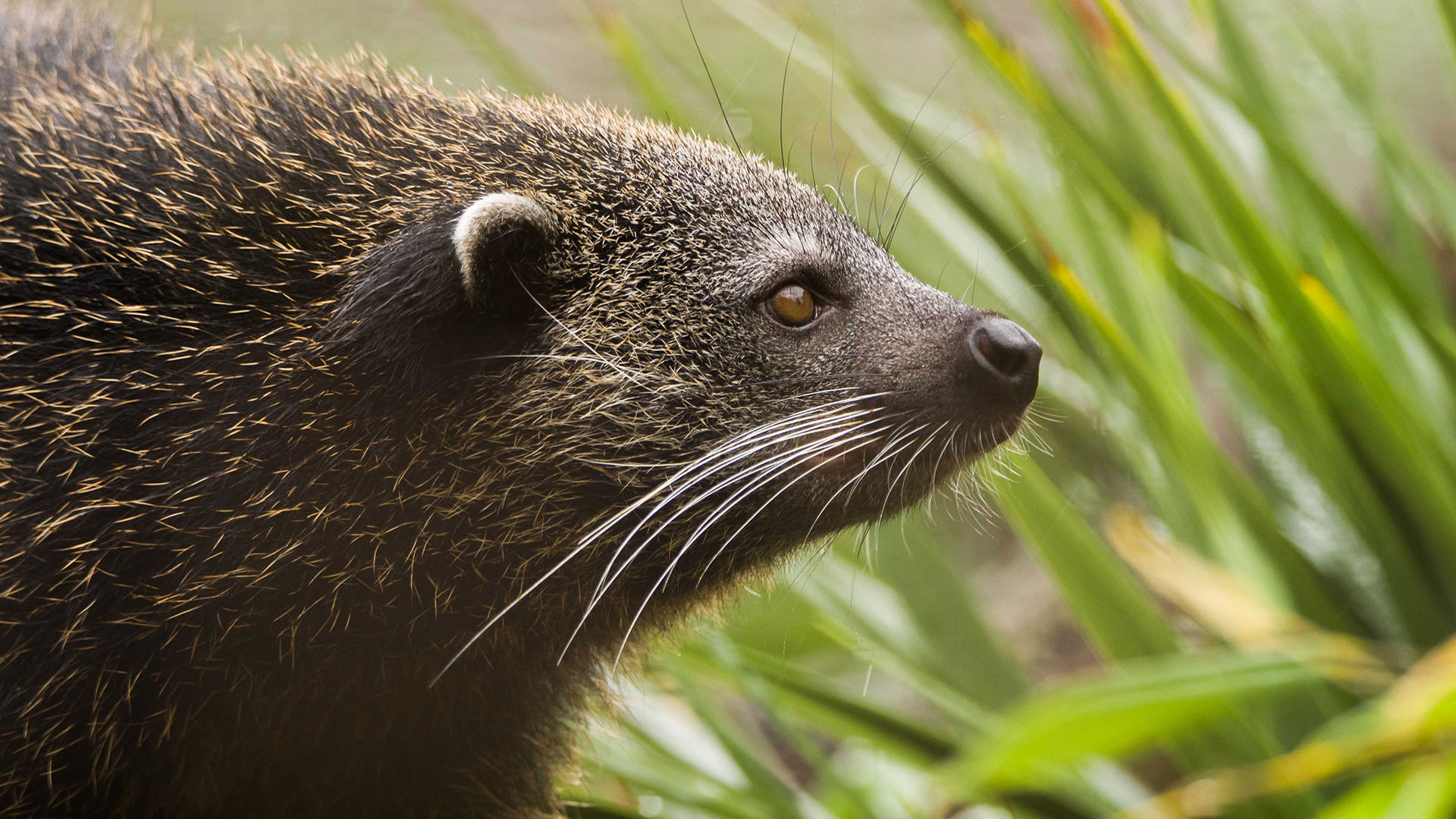
The Park’s collection spans everything from rhinos, giraffes and zebras — viewable from the picnic lawns — to some of the rarest and smallest species in captivity anywhere in the country. Highlights include a walk-through “Madagascar” exhibit where ring-tailed lemurs and crowned sifaka move freely among visitors; a walled garden with meerkats, yellow mongooses and small primates including pygmy marmosets; Aldabra giant tortoises; Asiatic lions and clouded leopards; and the Tropical House, where free-roaming sloths and birds share a glasshouse setting. The Reptile House, Bat House and Invertebrate House round out one of the most interesting collections of its kind in the country, taking in everything from black mambas and reticulated pythons to Seba’s short-tailed bats and leaf-cutter ants.
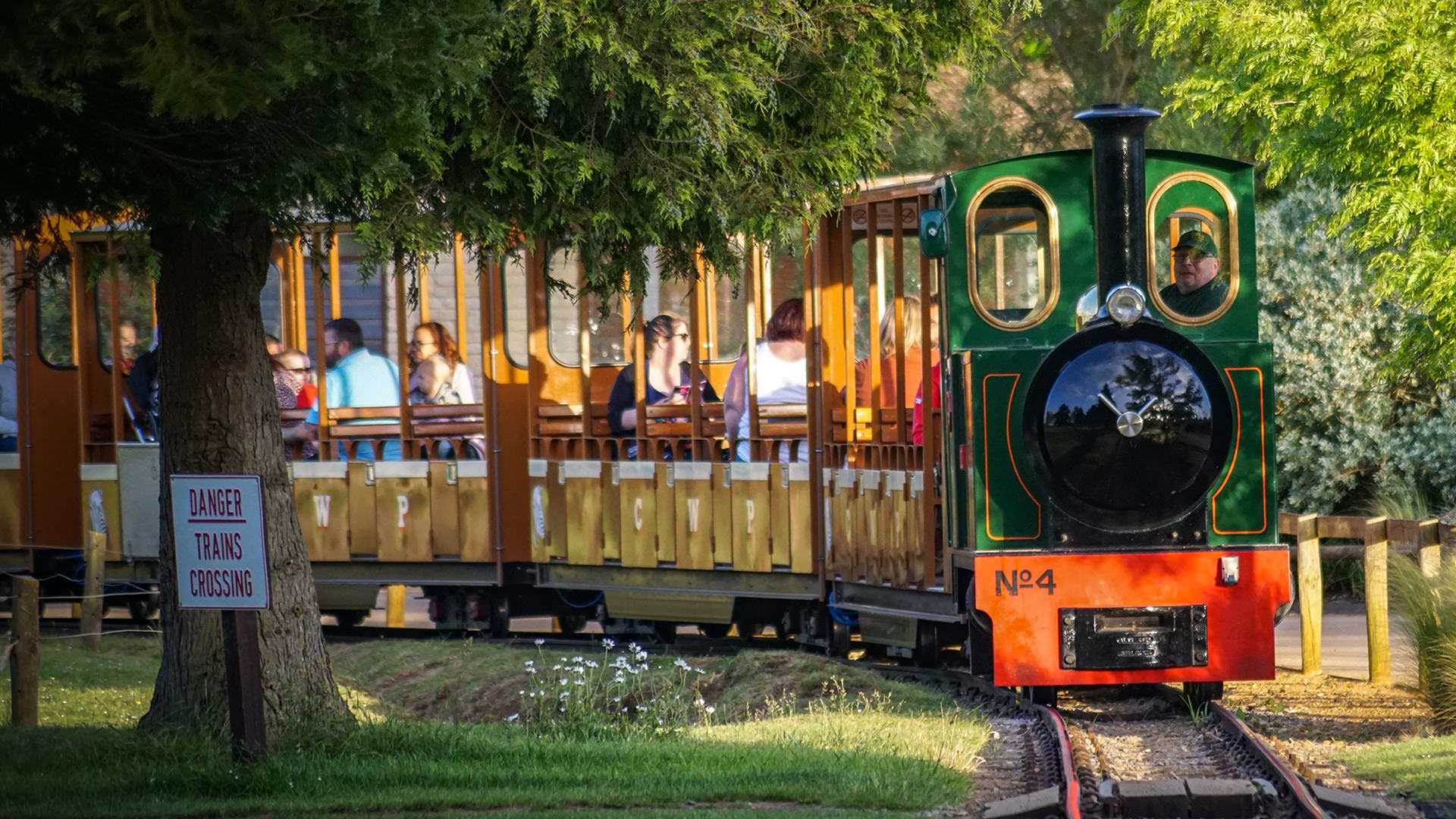
For a change of pace, the seasonal narrow-gauge railway — a 2ft-gauge line first opened in 1975 by zoologist Desmond Morris — runs a horseshoe-shaped circuit from April to October, past the Manor House and giant tortoise enclosure, for a small additional charge on top of admission.
Don’t miss the newly refurbished adventure playground, Skymaze, with its interconnecting treehouses, jungle bridges and slides, climbing to a bird’s-eye view of the Park over 20 feet high.
Conservation and Breeding Programmes
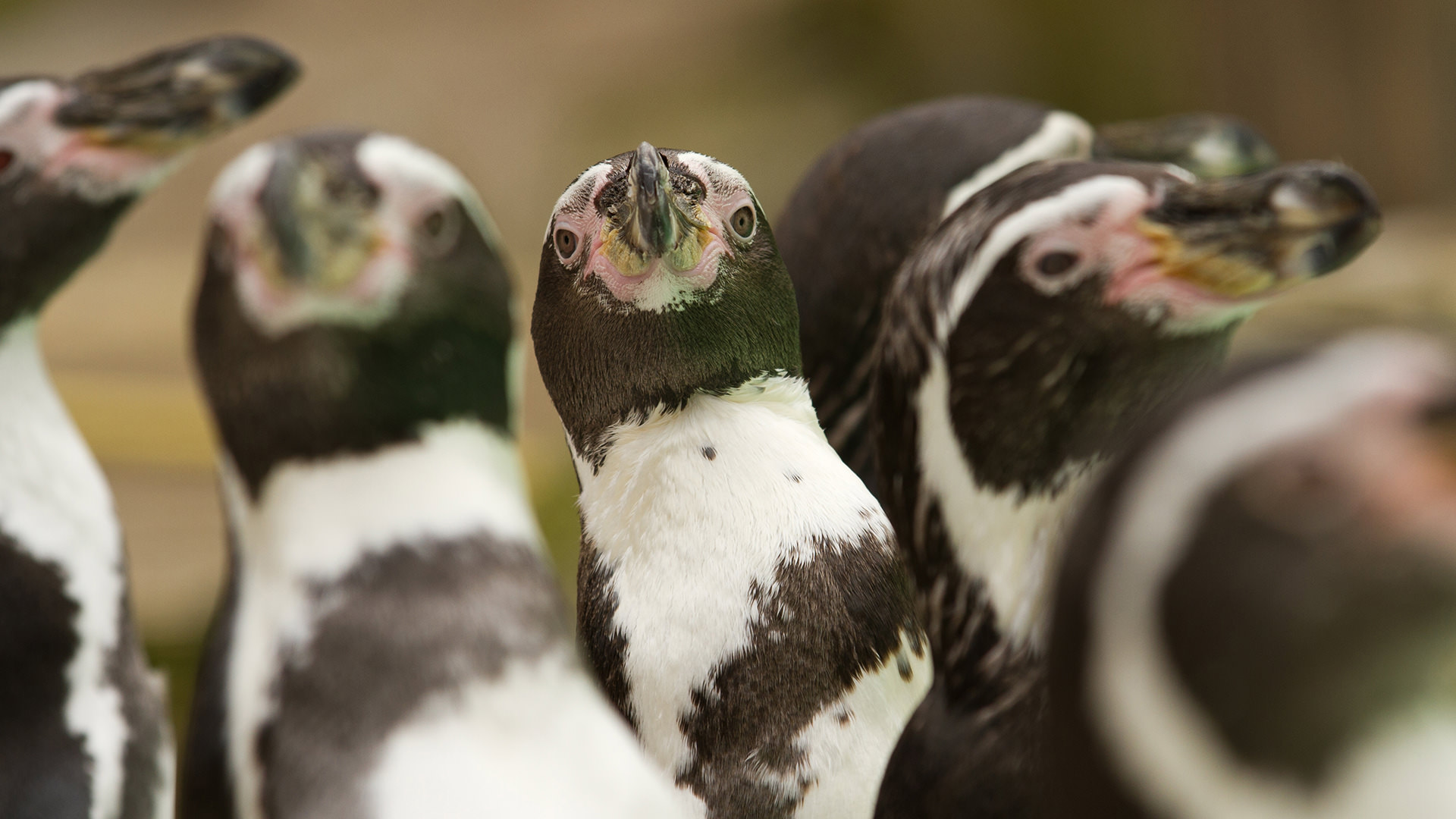
Cotswold Wildlife Park is committed to its various breeding programmes. It was the first collection in the UK to successfully breed wolverines (2015), Morelet’s crocodiles (2009), Chinese crocodile lizards (2017) and one of the rarest lemurs on earth, the crowned sifaka (2017). The collection is home to many endangered species, including Humboldt penguins, wolverines, red pandas, cotton-top tamarins and Asiatic lions, and its Reptile House remains one of the most interesting in the country.
In April 2026, the consumer body Which? named Cotswold Wildlife Park the highest-rated safari attraction in England, with 81% of surveyed visitors placing it top nationally, citing its visitor experience, value for money, conservation commitment and transparent pricing.
A Genuinely Dog-Friendly Day Out
We are proud to be the only large zoological collection in the UK to welcome dogs. Cotswold Wildlife Park has been a dog-friendly attraction since it first opened in 1970. It has won the Kennel Club’s “Be Dog Friendly” award for two years running, and The Telegraph named it as one of Britain’s 25 best dog-friendly days out — a genuinely rare combination for a collection of this scale, and reason enough on its own for many of our guests to choose it over alternatives further afield.
Food, Picnics and Facilities
As well as the Park’s Oak Tree Restaurant and seasonal kiosks, visitors who wish to can bring their own picnics and enjoy them on one of the spacious lawns which overlook the enclosures for rhinos, zebras and giraffes. A gift shop sits just off the main car park, and parking throughout the Park is free, with re-entry to your car permitted during your visit.
Accessibility
The Park has installed a Changing Places toilet near the gift shop, opposite the disabled car parking — the first Changing Places facility at a major attraction in Oxfordshire.
There is easy wheelchair and pushchair access to all enclosures, onto the narrow-gauge railway and to the gift shop and restaurant. Any windows in the enclosures have been designed to be viewable from a wheelchair, and there are ramps to access the Giraffe House, the Wolverine enclosure and the Lake area.
Planning Your Visit
Cotswold Wildlife Park sits two miles south of Burford on the A361, roughly 20 miles west of Oxford and 22 miles east of Cheltenham — an easy addition to a day that also takes in Burford’s High Street. Public transport links are limited, so this is very much a self-drive day out: the nearest railway station, Charlbury, is around 11 miles away with no direct bus or taxi rank, and the nearest bus stop is on Burford High Street itself. Booking e-tickets online in advance is recommended, particularly through the summer months, both for a better price than paying at the gate and to guarantee entry on a busy day.
Where to Stay Nearby
Cotswold Wildlife Park’s position just south of Burford puts it within easy reach of several of our collections, including the Kingham Cottages Collection and the villages of the Windrush and Coln valleys. For a fuller sense of what is available nearby, our full portfolio of Cotswold properties can be filtered by location.
However you choose to base yourselves, our concierge team can help build a family day around the Park into a wider stay, whether that means timing a visit around the narrow-gauge railway’s summer opening hours or simply making sure the dog is packed alongside the picnic.
In Short
Cotswold Wildlife Park earns its place among the Cotswolds’ best family days out on scale alone — 1,500 animals, 250 species and 160 acres of garden — but it is the detail that keeps guests coming back: a genuinely rare welcome for dogs, a serious conservation and breeding record, and an accessibility standard, including Oxfordshire’s first Changing Places toilet at a major attraction, that few UK zoos can match.
If you are planning a stay nearby, enquire with our team and we will help you build a visit to Cotswold Wildlife Park around the right property for your group.
© Luxury Cotswold Rentals. Images © Luxury Cotswold Rentals, except where copyright remains with the original photographer or creator.