
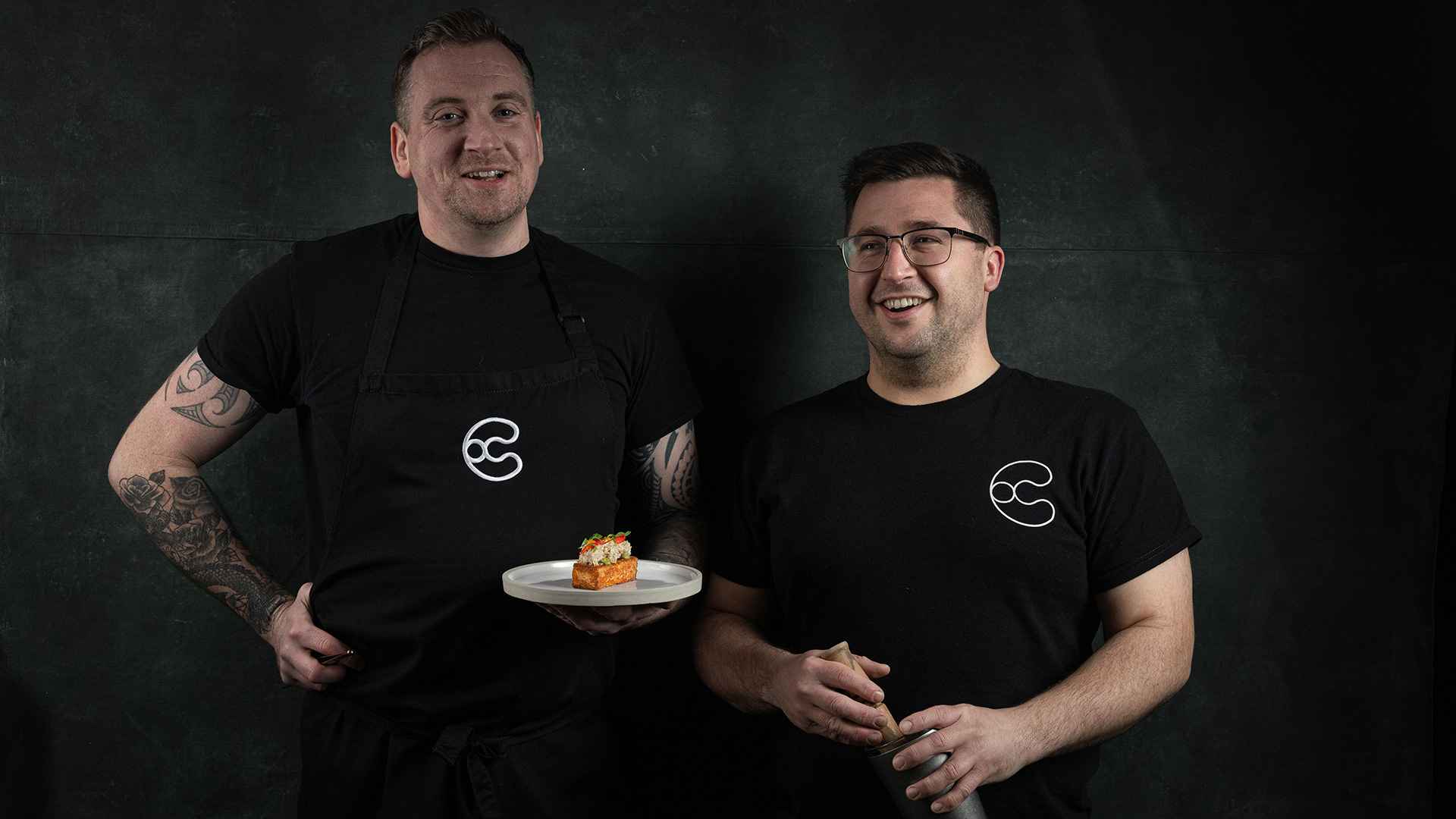
One of the greatest pleasures of staying in a private Cotswolds house is the freedom to dine beautifully without leaving the property.
A private chef dinner can turn a country house into the setting for a memorable evening. A relaxed arrival supper can make the first night feel effortless. A garden lunch can become the highlight of a summer weekend. A Sunday roast cooked at the house can bring the whole family together without the need to travel. A private dining experience can make a birthday, anniversary, reunion or festive stay feel more personal than any restaurant booking.
The Cotswolds is particularly well suited to private dining because the setting is already part of the experience. A stone cottage kitchen, a manor house dining room, a garden terrace, a fireside sitting room or a private estate with space for the whole group can all become part of the meal.
For many guests, especially those staying in larger houses, private dining is not just a convenience. It is one of the most valuable parts of the stay.
This guide explains how to plan private chefs and dining at your Cotswolds house, including arrival meals, celebration dinners, family food, longer-stay catering, seasonal menus, local produce, transport considerations and when private dining may be better than going out.
Explore our collection of luxury cottages and country houses in the Cotswolds as you consider the right property for a food-led private stay.
Why Private Dining Works So Well in the Cotswolds
Private dining works beautifully in the Cotswolds because it brings together three things the region does especially well: beautiful houses, local food and a slower countryside pace.
When you book a private house, you are not simply booking somewhere to sleep. You are choosing a setting. The kitchen, dining room, garden, terrace, views, fireplaces and shared spaces all shape the way the stay feels.
A private chef allows those spaces to be used properly.
Instead of travelling out for every special meal, guests can enjoy the house itself. Children can eat earlier. Older guests do not need to travel at night. Larger groups can stay together. Couples can have a private dinner in a romantic setting. Celebration groups can create an evening that feels completely personal.
Private dining is especially useful for:
- Arrival suppers
- Romantic dinners
- Birthday celebrations
- Anniversaries
- Family reunions
- Multigenerational stays
- Christmas and New Year
- Garden lunches
- Sunday roasts
- Barbecues
- Corporate retreats
- Wellness stays
- International guests
- Longer stays
- Guests who want restaurant-quality food with privacy
The best private dining does not feel like a restaurant has been awkwardly brought into a house. It feels as though the meal belongs naturally to the property.
Private Chef or Restaurant: Which Is Better?
The Cotswolds has excellent restaurants and country pubs, but private dining can be the better choice in many situations.
A restaurant may be ideal for a romantic dinner, a long lunch, a fine dining experience or a food-led day out. But a private chef may be better when the house itself should be the centre of the occasion.
Private dining may be the better choice if:
- The group is large
- Children are involved
- Guests want privacy
- The property has a beautiful dining room or garden
- Transport would be complicated
- The meal is for a celebration
- Guests have specific dietary requirements
- Older relatives would prefer not to travel
- The group wants to relax without time pressure
- The stay is short and every evening matters
- Guests are arriving after a long journey
- The occasion should feel personal rather than public
A restaurant gives you atmosphere outside the house. A private chef allows the house to become the atmosphere.
For many Cotswolds stays, the best plan includes both: one or two restaurant or pub meals, balanced with one or more private dining experiences at the property.
The Best Private Dining Experiences at a Glance
For the first night, consider a relaxed arrival supper or grazing table.
For a special occasion, plan a private chef dinner in the dining room or garden.
For families, consider children’s tea followed by an adult dinner later in the evening.
For summer stays, plan a garden lunch, barbecue, terrace supper or picnic-style meal.
For winter stays, choose a fireside dinner, Sunday roast, festive menu or candlelit dining-room meal.
For longer stays, consider regular chef support, batch-cooked meals, weekly dinners, stocked provisions and flexible family food.
For international guests, a private chef can create a refined introduction to Cotswolds food, local produce and English country-house dining without the stress of rural travel.
Arrival Suppers: The Easiest Way to Start Well
The first evening of a Cotswolds stay is often underestimated.
Guests may have travelled from London, Heathrow, elsewhere in the UK or overseas. They may be arriving with children, luggage, dogs, shopping, tired family members or a large group. By the time everyone reaches the house, the last thing they may want is to drive out again for dinner.
An arrival supper can change the whole tone of the stay.
It does not need to be elaborate. In many cases, the best first-night meal is generous, comforting and easy: a prepared supper, a relaxed family-style meal, a grazing board, a seasonal salad, good bread, local cheese, a warming dish in winter or something light and fresh in summer.
An arrival supper is especially useful for:
- Late arrivals
- International guests
- Families with young children
- Large groups
- Weekend stays
- Celebration weekends
- Properties in rural locations
- Guests who want to settle in immediately
A good first night should feel calm. Bags are put down, drinks are poured, the kitchen smells welcoming and nobody needs to think too hard.
For short stays, this can be one of the most important meals of the trip.
Private Chef Dinners for Special Occasions
A private chef dinner can make a special occasion feel intimate and memorable.
Birthdays, anniversaries, engagements, reunions, family milestones and festive gatherings often work beautifully at the house because the setting is personal. Guests are not sharing a dining room with strangers, watching the clock between courses or managing transport after the meal.
The evening can be shaped around the group.
It might be:
- A formal multi-course dinner
- A relaxed sharing menu
- A seasonal tasting menu
- A family-style feast
- A garden dinner
- A candlelit winter meal
- A birthday dinner
- An anniversary supper
- A private Sunday roast
- A festive Christmas or New Year meal
- A dinner with matched wines or cocktails
- A celebratory lunch rather than dinner
For larger houses, manor houses and estates, the dining room can often become one of the great pleasures of the stay. A beautifully laid table, flowers, candles, local produce and a chef-led meal can make the property feel fully alive.
For celebrations, plan early. Consider menus, dietary requirements, children, timing, drinks, table layout, flowers, cake, service and clearing away.
The best private chef dinners feel effortless because the work has been done before the evening begins.
Dining for Families
Families often benefit enormously from private dining.
Eating out with children can be lovely, but it can also be tiring. Timings, menus, travel, tiredness and restaurant behaviour can all make meals more complicated than expected. At the house, everything can be adjusted.
Children can eat earlier. Adults can dine later. Meals can be simpler. Snacks can be available. Babies and toddlers can stay in their routine. Teenagers can have food that suits them. Parents can relax properly.
Family private dining might include:
- Children’s tea
- Early suppers
- Easy breakfasts
- Packed lunches
- Garden picnics
- Barbecues
- Sunday roasts
- Family-style sharing meals
- Fresh pasta or simple dishes
- Private chef dinners for adults
- Batch-cooked meals for later in the stay
- Dietary-specific meals
- Birthday cakes or celebration food
For multigenerational stays, private dining is particularly useful. Grandparents, parents and children can all enjoy the same house without needing every meal to suit everyone at the same time.
A good family food plan should make the stay feel relaxed, not over-catered. The aim is ease.
Dining for Couples
Private dining can be one of the most romantic parts of a Cotswolds stay.
A couple may not need a full formal chef experience every night. Often, one beautifully planned meal is enough: dinner by the fire, supper in a cottage kitchen, drinks in the garden, a private anniversary meal or a relaxed seasonal lunch at the property.
A couple’s private dining experience might include:
- A romantic dinner for two
- Breakfast delivered or prepared at the house
- A picnic made with local produce
- A cheeseboard and wine by the fire
- A private chef anniversary dinner
- A garden lunch
- A relaxed Sunday supper
- A simple arrival meal after travel
For couples, private dining is strongest when it feels personal rather than theatrical. The menu should suit the mood of the stay, the season and the property.
A romantic restaurant can be wonderful, but a private dinner in a beautiful Cotswolds house can feel even more memorable because it belongs only to the two of you.
Dining for Larger Groups
Larger groups are often where private dining becomes most valuable.
Moving twelve, sixteen or twenty guests to a restaurant can be complicated. Transport, seating, menu choices, children, older guests, dietary requirements and timings all need careful coordination. A restaurant may still work, especially for lunch, but the main evening meal may be much better at the house.
Private dining for larger groups can be shaped around:
- Group size
- Dining-room capacity
- Kitchen facilities
- Service style
- Children’s timings
- Dietary needs
- Drinks
- Speeches or celebrations
- Table plan
- Flowers and styling
- Clearing and washing up
- Breakfast the next morning
For larger celebrations, consider whether the meal should be formal or relaxed. A seated dinner is not always the best choice. Depending on the house and group, a sharing feast, barbecue, buffet, garden lunch or relaxed supper may work better.
The property matters. Some houses are perfect for intimate dinners. Others can support larger catered meals more comfortably. Choosing the right house is part of planning the food experience.
Private Dining for Celebrations
A private Cotswolds house is a natural setting for celebrations.
The privacy, space and atmosphere of the property can make a meal feel much more personal than a restaurant. Guests can arrive earlier, children can move around more easily, speeches can happen naturally, and the evening can continue without needing to leave.
Private dining works especially well for:
- Milestone birthdays
- Anniversaries
- Engagements
- Family reunions
- Small weddings or pre-wedding gatherings where appropriate
- Christmas
- New Year
- Retirement celebrations
- Corporate retreats
- Wellness weekends
- Friends’ reunions
A celebration dining plan might include:
- Welcome drinks
- Canapés
- Private chef dinner
- Birthday cake
- Flowers
- Table styling
- Children’s meals
- Wine or cocktails
- Late-night snacks
- Breakfast or brunch the next morning
- Sunday roast before departure
The strongest celebration meals are planned around both the occasion and the house. A grand dining room may suit a formal dinner. A summer terrace may suit a relaxed garden lunch. A family kitchen may suit a warm, informal meal.
For celebration stays, food is not just a detail. It is often the heart of the weekend.
Seasonal Private Dining in the Cotswolds
The best private dining should reflect the season.
The Cotswolds changes beautifully throughout the year, and food should change with it.
Spring
Spring suits lighter menus, fresh vegetables, garden lunches, lamb, herbs, asparagus when in season, soft desserts and meals that feel bright after winter.
Summer
Summer is ideal for barbecues, terrace dining, salads, berries, picnics, chilled drinks, garden lunches, outdoor celebrations and relaxed sharing menus.
Autumn
Autumn is one of the best seasons for private chef dining. Richer menus, game where appropriate, apples, pears, mushrooms, root vegetables, Sunday roasts, fireside suppers and candlelit dinners all feel naturally suited to the region.
Winter
Winter suits hearty cooking, festive menus, private Christmas dinners, New Year meals, slow-cooked dishes, roasts, soups, puddings, fireside drinks and formal dining-room evenings.
A good chef will help shape the menu around the season, the house and the group.
For private-house guests, seasonal dining can make the stay feel deeply connected to the countryside outside.
Local Produce and Private Chefs
One of the advantages of private dining in the Cotswolds is access to excellent local produce.
Farm shops, butchers, cheesemongers, bakeries, growers, fishmongers, smokery suppliers and local drinks producers can all help shape a meal. A chef may bring ingredients directly, work with preferred suppliers or use produce sourced close to the property.
Local produce can be used for:
- Breakfasts
- Grazing boards
- Canapés
- Garden lunches
- Sunday roasts
- Barbecues
- Celebration dinners
- Children’s meals
- Picnics
- Cheese courses
- Desserts
- Hampers
- Longer-stay provisions
The point is not to force a “local” label onto every dish. It is to let the food feel naturally connected to the region.
A meal made with good ingredients, served in a beautiful Cotswolds house, can be more powerful than an overcomplicated menu.
Private Dining for International Guests
For international guests, private dining can make a Cotswolds stay feel much smoother.
Guests travelling from the United States or further afield may arrive tired, unfamiliar with rural roads, unsure about local shops or uncertain about restaurant timings. A stocked kitchen, arrival supper or private chef dinner can remove stress immediately.
Private dining also gives international guests a clear sense of English countryside hospitality.
A private chef might create:
- A classic Sunday roast
- Seasonal British menu
- Garden lunch
- Afternoon tea-style spread
- Local cheese and produce board
- Family-style supper
- Celebration dinner
- Breakfast or brunch
- Festive meal
- Dinner using Cotswolds ingredients
For overseas guests, private dining can be especially helpful on the first and last nights. The first night should feel easy after travel. The last night can become a memorable farewell meal at the house.
It is also useful when guests are not comfortable driving at night or arranging rural taxis.
Private Dining for Longer Stays
For two-week, one-month or longer Cotswolds stays, private dining becomes less about one special evening and more about rhythm.
Guests staying longer may not want a chef every day, but regular support can make the house feel much easier to live in.
Longer-stay private dining might include:
- Weekly chef dinners
- Prepared meals in the fridge
- Breakfast support
- Family suppers
- Children’s meals
- Batch cooking
- Weekend guest meals
- Barbecue planning
- Shopping and provisions
- Dietary-specific cooking
- Celebration meals during the stay
- Lighter lunches
- Occasional formal dinners
- Flexible support around work or school routines
For extended stays, the aim is not constant formality. It is comfort.
A chef may help the house function beautifully, especially for families, international visitors, guests working remotely, multigenerational groups or people using the Cotswolds as a longer countryside base.
The best longer-stay food plans combine privacy, flexibility and practical ease.
Breakfasts, Brunches and Informal Meals
Private dining does not have to mean dinner.
Breakfast and brunch can be just as valuable, particularly during family stays, celebrations and longer visits.
A chef-prepared breakfast, delivered breakfast hamper or stocked kitchen can make mornings feel much easier. For larger groups, breakfast is often one of the most logistically awkward meals. Having it planned properly can make the whole day run more smoothly.
Options might include:
- Fresh pastries
- Fruit and yoghurt
- Eggs
- Local bacon or sausages
- Smoked fish
- Granola
- Fresh bread
- Coffee and tea
- Brunch dishes
- Children’s breakfasts
- Healthy breakfast options
- Celebration brunch
- Morning-after breakfast following a party
For weekend celebrations, a brunch the morning after the main dinner can be one of the most appreciated parts of the stay.
For longer stays, breakfast provisions may matter more than any special meal because they shape every day.
Garden Lunches, Barbecues and Outdoor Dining
In spring and summer, outdoor dining can be one of the great joys of a Cotswolds house.
A garden lunch, barbecue, terrace dinner or picnic-style meal allows guests to enjoy the property properly. This is especially valuable when the house has beautiful gardens, a pool, outdoor seating, countryside views or space for children to play.
Outdoor private dining might include:
- Garden lunch
- Barbecue
- Sharing platters
- Picnic-style feast
- Drinks reception
- Poolside lunch
- Terrace supper
- Afternoon tea outside
- Family buffet
- Summer celebration meal
Outdoor dining should still be planned carefully. Weather, shade, seating, table layout, service, lighting and kitchen access all matter.
For British weather, it is sensible to have a backup plan. A beautiful garden lunch is wonderful, but the house should also work if the meal needs to move indoors.
Sunday Roasts at the House
A Sunday roast at the house can be a perfect Cotswolds meal.
It gives guests the comfort and familiarity of a classic English Sunday lunch without needing to travel, book a pub table or coordinate a large group around a fixed sitting time.
A private Sunday roast works especially well for:
- Families
- Multigenerational groups
- Winter stays
- Celebration weekends
- International guests
- Christmas and New Year periods
- Houses with strong dining rooms
- Guests who want a slow departure day
For short stays, a Sunday roast before departure can be difficult if checkout is early. But for longer weekends, week-long stays or flexible departures, it can be ideal.
A Sunday roast at the house also allows for a more relaxed afternoon afterwards: a walk, a fire, board games, garden time or simply staying together without rushing.
Dietary Requirements and Menu Planning
Private dining can be especially helpful when guests have dietary requirements.
Restaurants can accommodate many needs, but a private chef can plan the whole meal around the group from the beginning. This can make dining easier for guests who are vegetarian, vegan, gluten-free, dairy-free, pescatarian, coeliac, halal, have allergies or simply have strong preferences.
Good planning should include:
- Allergies
- Intolerances
- Religious dietary requirements
- Children’s preferences
- Vegetarian and vegan guests
- Gluten-free or coeliac requirements
- Pregnancy considerations
- Health or wellness preferences
- Alcohol-free options
- Strong dislikes
- Menu style and formality
Dietary requirements should be discussed clearly in advance, not on the day.
For larger groups, it may be useful to gather everyone’s requirements before menus are finalised. This makes the experience smoother for guests and chef alike.
What a Private Chef Needs to Know
To plan properly, a private chef or concierge team will usually need practical details.
These may include:
- Number of guests
- Number of adults and children
- Date and time
- Property name and location
- Kitchen facilities
- Dining space
- Preferred style of meal
- Budget expectations
- Dietary requirements
- Children’s timings
- Whether service staff are needed
- Whether drinks are included
- Whether tableware is available
- Whether the meal is indoors or outdoors
- Whether there is a celebration cake
- Whether clearing and washing up are included
- Whether the chef needs access before guests arrive
The more accurate the information, the better the experience.
A private chef dinner should feel effortless to guests, but that ease comes from clear planning behind the scenes.
Choosing the Right Property for Private Dining
Not every property suits every kind of private dining.
Some cottages are perfect for intimate meals but not suitable for large catered dinners. Some manor houses have beautiful dining rooms but may require careful planning for service. Some country houses are ideal for family-style meals. Some estates can support larger celebrations, outdoor dining or multiple meals across a long stay.
When choosing a property, consider:
- Kitchen size
- Dining-room capacity
- Outdoor dining space
- Parking and access for suppliers
- Fridge and storage space
- Tableware and glassware
- Children’s facilities
- Garden or terrace layout
- Whether the property suits formal or relaxed meals
- Whether private dining is permitted
- Whether additional staff may be needed
- Whether the house works in the relevant season
A property that looks beautiful in photographs may not automatically be the best setting for a large private dinner. The practical details matter.
Browse our luxury Cotswolds properties to find a house that suits the kind of dining experience you want.
Staff, Service and Clearing Away
One of the most important parts of private dining is service.
For a simple supper, a chef alone may be enough. For a larger or more formal dinner, service staff may be needed to help with drinks, plating, clearing, washing up and keeping the evening flowing.
This is especially relevant for:
- Larger groups
- Formal dinners
- Celebration meals
- Multi-course menus
- Drinks receptions
- Outdoor dining
- Christmas or New Year meals
- Properties with larger dining rooms
- Guests who want a restaurant-style experience
Clearing away should also be discussed in advance. Guests should know whether the kitchen will be left clean, whether washing up is included and whether any leftover food will be stored.
The best private dining experiences end as well as they begin. Guests should be able to leave the table and continue the evening without worrying about the kitchen.
Drinks, Wine and Cocktails
Drinks are a major part of private dining planning.
Depending on the occasion, guests may want wine, Champagne, cocktails, local beer, cider, English sparkling wine, non-alcoholic drinks, soft drinks, children’s drinks or paired wines.
A drinks plan might include:
- Welcome drinks
- Wine with dinner
- Champagne for a toast
- Cocktails before the meal
- Local beer or cider
- Alcohol-free options
- Soft drinks
- Sparkling water
- After-dinner drinks
- Tea and coffee
- Drinks for children
- Fridge stocking for the wider stay
For larger groups, quantities should be planned carefully.
For tastings or alcohol-led experiences, transport is important if guests leave the property. One advantage of private dining at the house is that guests can enjoy drinks without needing to travel afterwards.
Private Dining by Type of Stay
Different stays need different dining plans.
Romantic Weekend
A romantic weekend might include arrival provisions, one long pub lunch, one private chef dinner and breakfast at the property.
Family Holiday
A family holiday might include stocked groceries, easy suppers, children’s teas, a barbecue, one private chef dinner and a few relaxed pub lunches.
Celebration Weekend
A celebration weekend might include welcome drinks, arrival supper, private chef dinner, cake, flowers, brunch the next morning and a Sunday lunch.
Corporate Retreat
A corporate retreat might include working lunches, healthy breakfasts, private dinners, drinks, dietary planning and a mix of formal and relaxed meals.
Wellness Stay
A wellness stay might include lighter menus, nourishing breakfasts, alcohol-free drinks, seasonal produce, private chef support and meals timed around activities.
Extended Stay
An extended stay might include weekly chef meals, regular provisions, batch cooking, shopping support, family meals and occasional special dinners.
The best dining plan reflects the purpose of the stay, not just the number of nights.
Common Private Dining Mistakes to Avoid
The first mistake is leaving private chef arrangements too late. Good chefs and suppliers can be booked well in advance, especially during peak seasons, Christmas, New Year, school holidays and weekends.
The second mistake is not checking whether the property suits the meal. Kitchen size, dining capacity, access and facilities matter.
The third mistake is underestimating service. A chef may cook the meal, but larger groups may need additional staff.
The fourth mistake is not gathering dietary requirements early.
The fifth mistake is making the menu too formal for the group. A relaxed sharing meal may be better than a tasting menu for some stays.
The sixth mistake is forgetting children’s timings.
The seventh mistake is planning too many catered meals. Private dining should support the stay, not make it feel overly scheduled.
The eighth mistake is not planning the first night. Arrival food can make a major difference.
The ninth mistake is ignoring drinks, ice, glassware and soft drinks.
The tenth mistake is forgetting that the house itself is part of the dining experience.
Questions to Ask Before Booking a Private Chef
Before arranging private dining, ask:
- How many guests are dining?
- How many are adults and children?
- What is the occasion?
- Is the meal formal or relaxed?
- Do we want lunch, dinner, brunch or supper?
- Are there dietary requirements?
- Is the property suitable for this style of meal?
- Is the kitchen large enough?
- Is there enough dining space?
- Do we need service staff?
- Do we need drinks, wine or cocktails?
- Do we need table styling or flowers?
- Is a celebration cake required?
- Are children eating with adults or separately?
- What time should the meal begin?
- Will guests be arriving that day?
- Is clearing away included?
- Would a restaurant or pub be better for this meal?
- Are we leaving enough time to enjoy the house?
Clear answers make the experience much easier to plan.
How Luxury Cotswold Rentals Can Help
Luxury Cotswold Rentals brings together exceptional private homes, detailed local knowledge and a highly personal concierge service to help guests experience the Cotswolds in a way that feels tailored rather than generic.
Private dining is a natural part of that service.
Depending on your property, group and occasion, we can help with private chefs, arrival suppers, celebration dinners, family meals, children’s teas, garden lunches, barbecues, Sunday roasts, stocked kitchens, local produce, drinks, restaurant guidance and longer-stay food planning.
For couples, that may mean a romantic dinner at the house.
For families, it may mean simple, flexible food that keeps the stay easy.
For celebration groups, it may mean a private chef dinner that becomes the centrepiece of the weekend.
For international guests, it may mean a smooth arrival, classic English dining and a memorable meal without rural travel stress.
For extended stays, it may mean regular support that helps the house feel effortless to live in.
Explore our Cotswolds concierge service or browse our luxury Cotswolds properties to begin planning a private dining experience shaped around your stay.
Our View: Private Dining Turns the House into the Occasion
The best private dining experiences do more than provide good food.
They make the house part of the memory.
The dining room, garden, kitchen, terrace, fire, view, table, flowers, conversation and people all become part of the meal. This is why private dining works so well in the Cotswolds. The region’s best houses are not just places to return to after a day out. They can be the setting for the most important moments of the stay.
A restaurant can be exceptional. A country pub can be perfect. But there are times when the most memorable meal is the one served at your own table, in your own private Cotswolds house, with no need to leave afterwards.
For romantic weekends, family holidays, celebrations, international visits and extended stays, private dining can make the Cotswolds feel more personal, more comfortable and more complete.
Conclusion
Private chefs and dining at your Cotswolds house can transform the way you experience the region.
An arrival supper can make the first evening feel effortless. A private chef dinner can turn a celebration into something deeply personal. A garden lunch can make summer at the house unforgettable. A Sunday roast can bring the whole family together. A regular chef arrangement can make an extended stay feel easy and refined.
The best private dining is planned around the property, the group, the season and the occasion.
For couples, it may mean romance and privacy. For families, flexibility and ease. For larger groups, comfort and coordination. For international guests, a relaxed introduction to English country-house dining. For longer stays, a rhythm of meals that helps the house feel like home.
A private Cotswolds property gives you the freedom to enjoy food in the way that suits you best: at the kitchen table, in the garden, beside the fire, in a formal dining room, on the terrace or through a carefully planned private chef experience.
Explore our collection of luxury cottages, manor houses and private country homes across the Cotswolds and begin planning a stay shaped by private dining, local produce, beautiful houses and the simple pleasure of gathering well.